How to Get Over Fear of Flying: What Actually Works (From a Pilot Who Treats It)
Learn how to get over fear of flying from someone who flies planes AND treats phobias. Practical techniques backed by cockpit experience and clinical psychology.

101 evidence-based articles for understanding and managing flight anxiety
Deep dives into the key topics of fear of flying - curated article collections by expert therapist Alex Gervash
Everything fearful flyers need to know about turbulence - from physics to psychology
How your body creates fear - and how to work with it, not against it
The facts, systems, and engineering behind the world's safest form of transport
Why your mind creates fear where there is no danger - and what to do about it
Understanding, preventing, and managing panic attacks during flights
How early experiences shape adult flight anxiety - and the path to healing
The science of takeoff and why your body reacts the way it does
Learn how to get over fear of flying from someone who flies planes AND treats phobias. Practical techniques backed by cockpit experience and clinical psychology.
Many people with flight anxiety tell me the same thing: “I try not to think about the flight. But the more I try, the worse it gets.”And that is true. The attempt to “not think about it” actually increases anxiety.Let me share an important study. In ...


Let's agree: in terms of safety, economy and business class are exactly the same. However, many people with flight anxiety notice that flying business feels easier.Why?The answer lies in how the psyche works.Premium service classes offer more contact...
Turbulence is the most misunderstood phenomenon in aviation. It feels dangerous—but the plane is not bouncing off the air, it is moving with the air.
You interpret a racing heart as a sign of imminent collapse. These are not symptoms of dying—they are symptoms of a body preparing to survive.
Your mind tells you that if anything goes wrong it is all over. The data does not support this story of inevitable doom.
You worry that the anxiety will become so intense that you will snap. The truth is that fear is an adaptive mechanism trying to protect you.
There is a deep fear that the plane is reluctant to fly. Physics tells a different story—the plane loves to fly and wants to stay up.
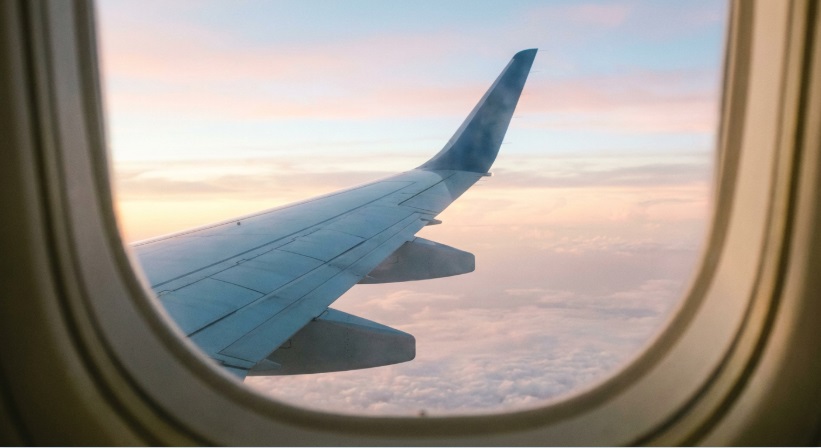
Your mind says if one thing breaks the whole plane comes down. The reality is that the aircraft is an engineering fortress built on redundancy.
Many fearful flyers watch the sky with suspicion. Aviation does not guess about the weather—we have turned meteorology into a precise science.
Looking out the window at the ground 10 kilometers below can be terrifying. In aviation, altitude is exactly the opposite of danger.
Control in our daily lives is largely an illusion. Your fear in the plane is not actually about the plane—it comes from your history.
Aviation is the only industry in the world that is built entirely around the assumption that humans will make mistakes.
Move beyond "just relax" with professional, physiological tools to process fear using your body's own mechanisms to self-regulate.
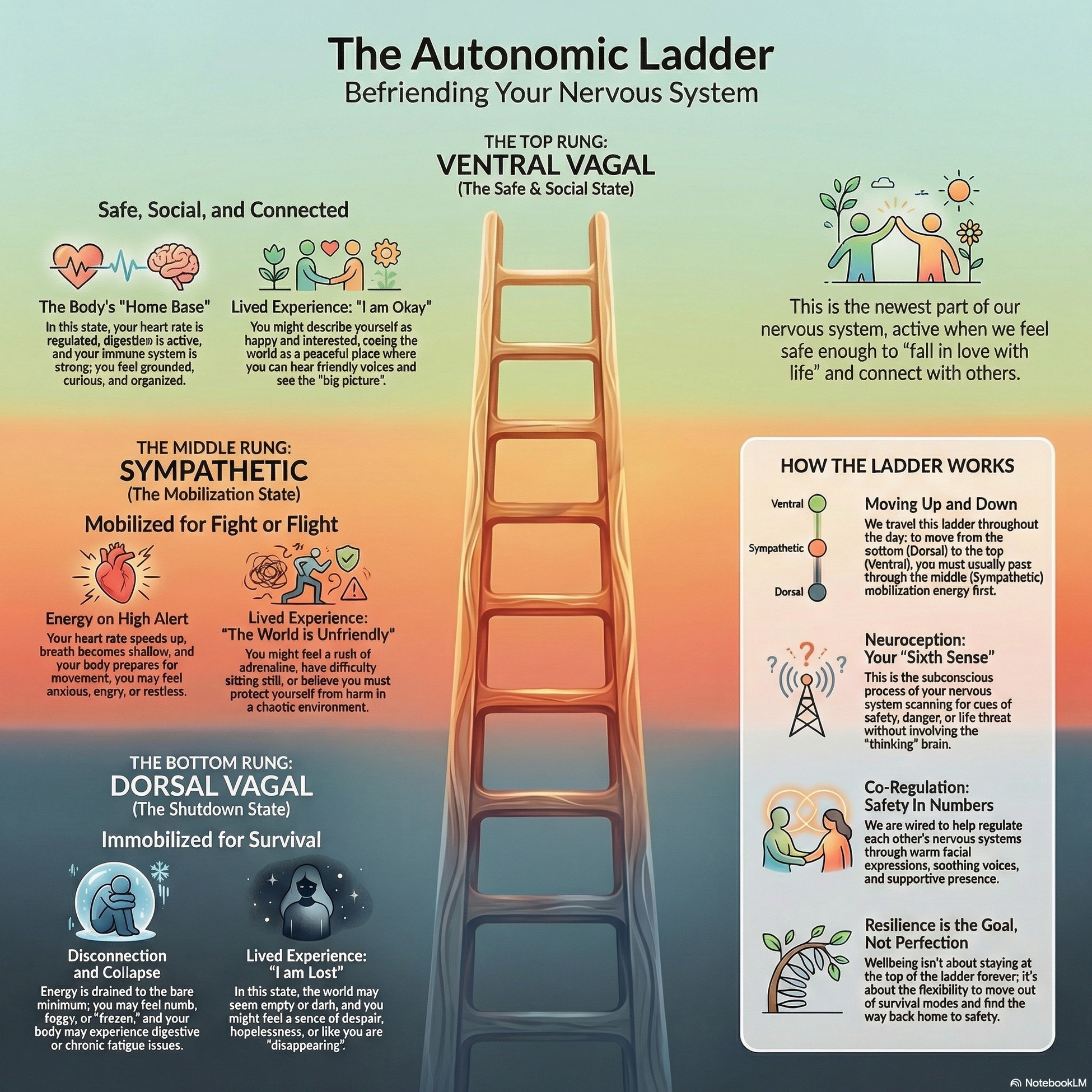
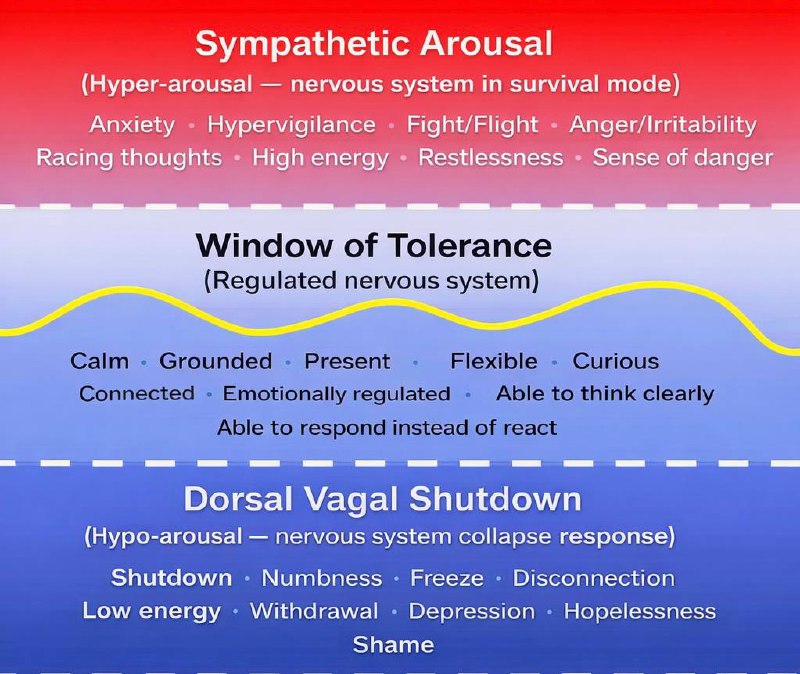
The Polyvagal Ladder is a visual tool showing three nervous system states. You can't jump from shutdown to safety - you must climb one rung at a time using specific regulation techniques.
According to Polyvagal Theory, when we perceive danger during flight, our thinking brain literally goes offline. Understanding which nervous system state you're in is the first step to climbing back to safety.
Interoception - your awareness of bodily sensations - is your "observation tower" for nervous system regulation. The key is to befriend and attend to sensations without judgment.
Same turbulence, two different experiences - the difference is your nervous system state. State determines story, not the other way around. Change the state and the story shifts naturally.
Neuroception is your nervous system's subconscious scanning for danger - it always wins over logic. The solution isn't more facts, but becoming aware of this automatic system.
The exhausting contradiction of trying to calm down while simultaneously feeding your fear with catastrophic thoughts during every flight.
The complete toolkit for overcoming fear of flying: education, somatic tools, acceptance, and trauma work combined.
Why air at cruising speed behaves like thick jelly—a powerful visualization to counter the "hanging in a void" illusion.
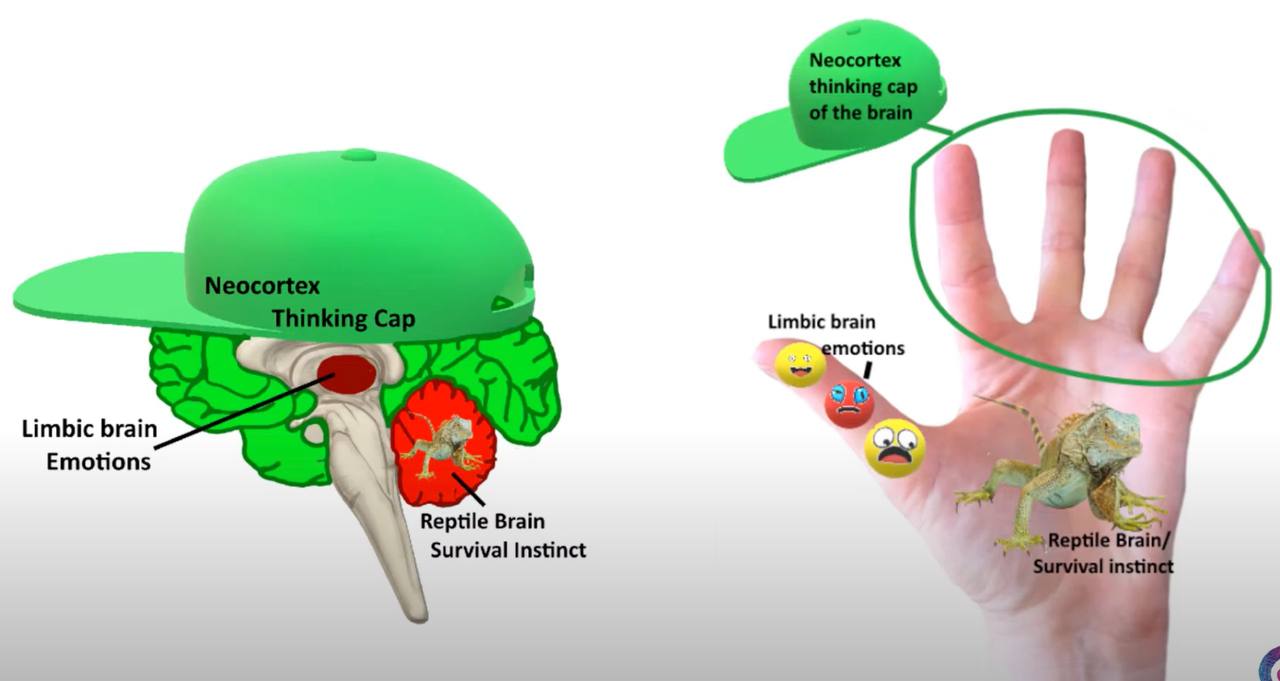
Understanding why the amygdala hijacks your brain 80x faster than logic can respond—and why you can't think your way out of panic.
Why traditional CBT fails for fear of flying—and how somatic, body-based approaches work when your thinking brain goes offline.
Why your nervous system snaps so easily in airports—and how widening your Window of Tolerance is the real goal of therapy.
You can't lose what you never had. We control almost nothing in life, yet most of us are fine with this.
She was three years old, hanging from a horizontal bar. That moment became the hidden source of her flight phobia.
Do you watch flight attendants' faces for signs of danger? Here's why that strategy backfires.
Your fear of flying might have nothing to do with airplanes at all. When you feel anxious on a plane, your brain is actually reacting to something from your past.
Imagine a supermarket barcode scanner. Your amygdala works the same way - scanning for danger patterns from your past.
She only panics on night flights. The reason has nothing to do with aviation - and everything to do with childhood trauma.
A woman came to therapy terrified of small airplanes. The real source of her fear had nothing to do with aviation.
Turbulence feels scary, but here's what's actually happening. Think of it like a fish in a storm - the fish moves WITH the water, not against it.
He woke from a coma to see 9/11 on TV. That moment created a fear of flying that had nothing to do with planes.
Searching for airline reviews before flying feels smart, but it's making your anxiety exponentially worse.
His fear of flying began on a bus when he was 5 years old - trapped, alone, searching for his mom.
Why do so many people believe survival is impossible in a plane crash? The answer lies in childhood experiences.
Listening for anomalies in engine noise feels protective, but it's actually feeding your fear. Here's what to do instead.
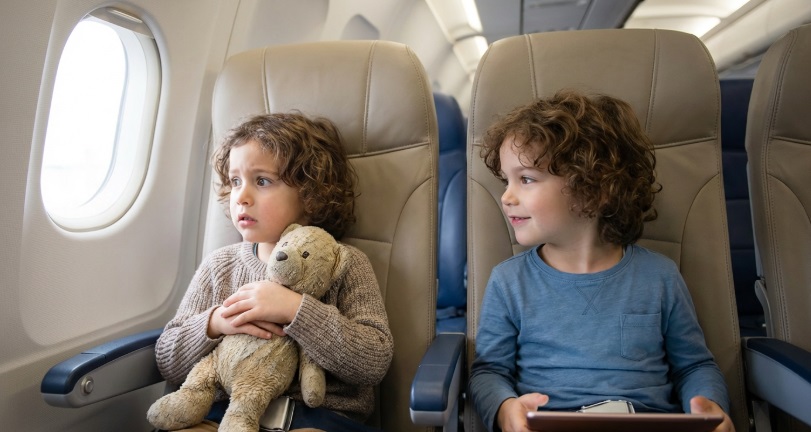
Should you hide your fear from your children? No. Here's why - and what to say instead.
His father's cruel game created lessons about fear and trust that shaped his adult flight phobia.
Nothing is 100% safe. So why do we demand absolute safety from airplanes?
Two airplanes take off every second worldwide. So why do so many believe they'll be "the one" when something goes wrong?
Any child understands: you can't lose something you never had. So why do we believe we "lose control" on planes?
Praying only before flights seems spiritual, but it's actually a safety behavior that reinforces fear.
Obsessively checking flight time feels like managing anxiety, but it's actually making everything worse.
She panics specifically when flying over water. The reason traces back to a traumatic boat ride.
Distracting yourself during flights seems smart, but it actually reinforces your fear. Here's what works better.
About 30% of people with fear of flying aren't afraid of crashing - they're afraid of their own bodies.
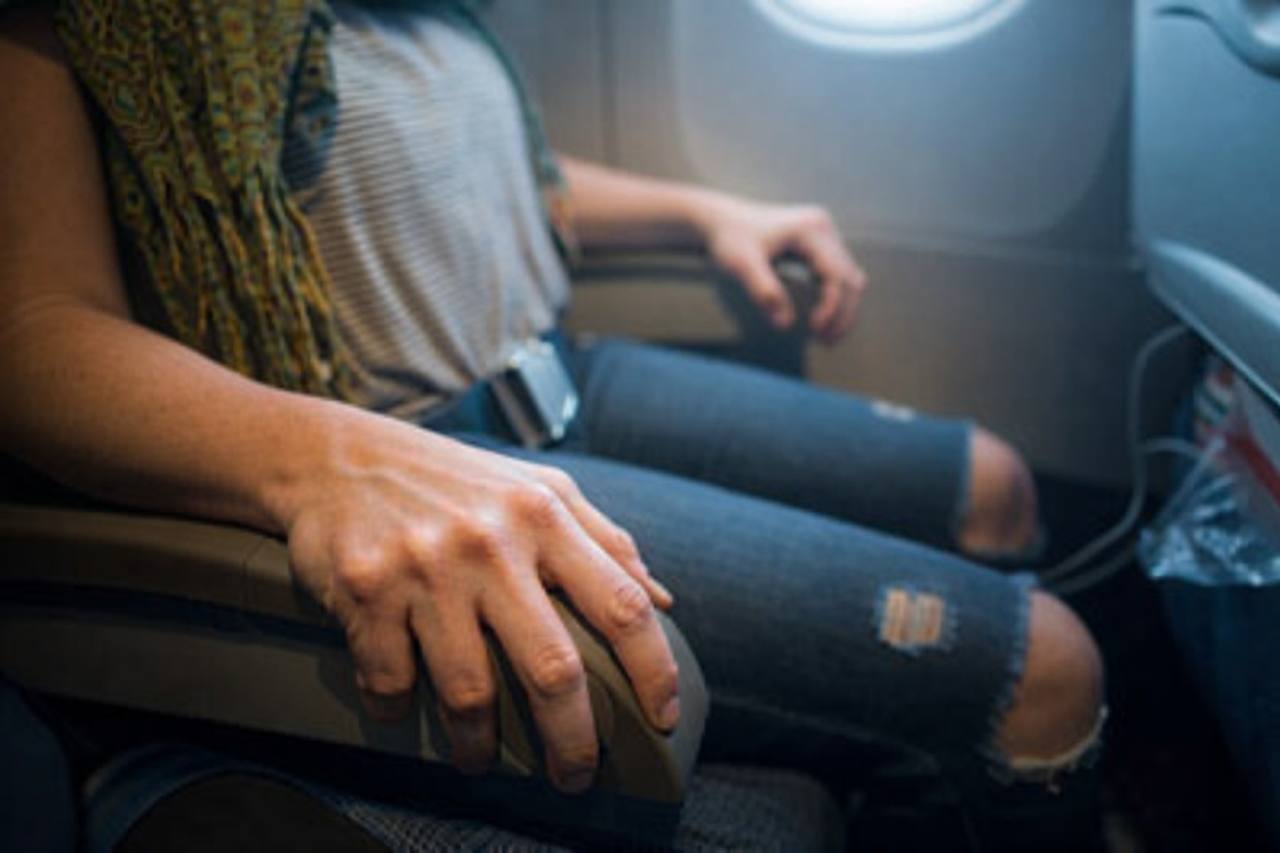
Gripping the armrests feels instinctive, but it's actually making your fear worse. Here's what to do instead.
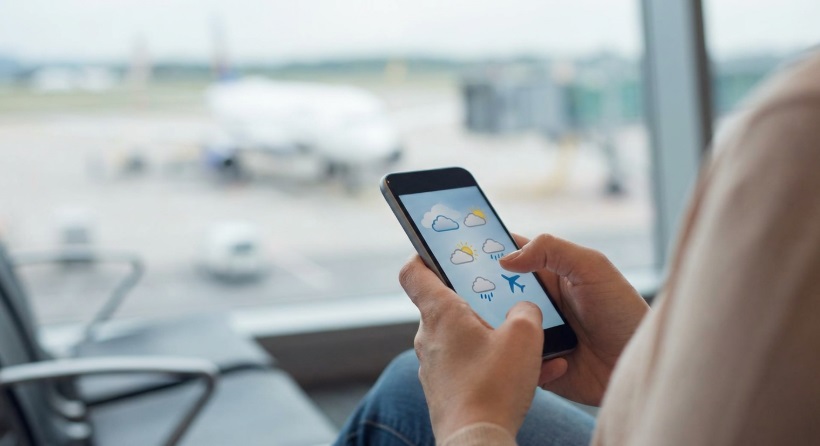
Checking the weather before flying seems logical, but it actually reinforces your anxiety. Here's why.
Identical twins - one fears flying, the other doesn't. The difference? One week in infancy changed everything.
Modern therapy doesn't try to eliminate fear. Here's what it actually does - and why it works.
A bicycle ad triggered his panic attack at the airport. How a childhood memory became a flight phobia.
Every Monday at 11am, she had a panic attack. It made no sense. Until she remembered 1991.
When her travel companions backed out, she panicked. The reason traced back to a traumatic attack years earlier.
Discover the psychological roots behind aviophobia and why your fear may not be about flying at all.
Modern aircraft are designed to flex and bend. This flexibility is not a weakness—it's an engineering feature that makes planes safer and more resilient.
Understanding the physics behind flight helps reduce fear. Learn how wings generate lift and why planes are designed to stay airborne naturally.
Takeoff triggers anxiety for many fearful flyers. Discover the psychological reasons behind this and how understanding the process can help you feel safer.
A commercial pilot with 31 years of experience answers the most common turbulence question with facts, physics, and FAA/NTSB data - and explains why turbulence has never caused a modern commercial aircraft to crash.
Complete review of fear of flying apps in 2026. SkyGuru, SkyBuddy, SOAR, Calm, and more compared on features, pricing, and effectiveness by pilot-psychologist Alex Gervash.
Practical in-flight calming techniques from a pilot-psychologist. Breathing exercises, grounding methods, nervous system regulation, and why "just relax" doesn't work. Real tools for real anxiety.
Detailed comparison of the top fear of flying programs in 2026 - SOAR, BA Flying with Confidence, easyJet Fearless Flyer, Allen Carr, and phobia.aero. Prices, formats, methods, and success rates.
Comprehensive analysis of fear of flying statistics in 2026 - prevalence rates, demographics, economic impact, post-COVID trends, and treatment success data from 16,000+ clients.
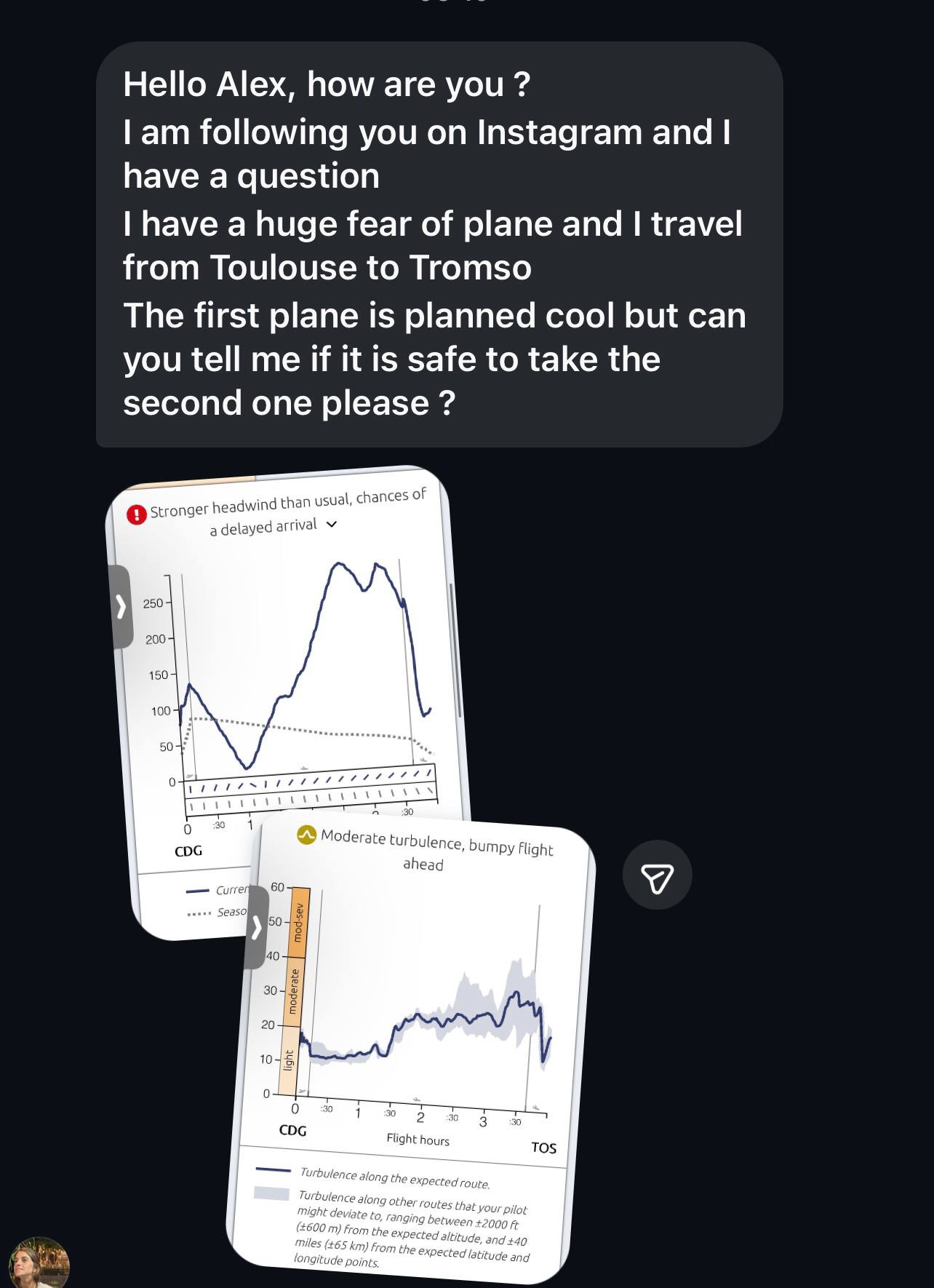
Checking turbulence forecasts before flight seems like a good way to calm down. But does it really reduce anxiety? In this article, we explore when turbulence forecasts help and when they backfire.
The average age of onset of flying phobia is around 25 years—the same age when many have children.
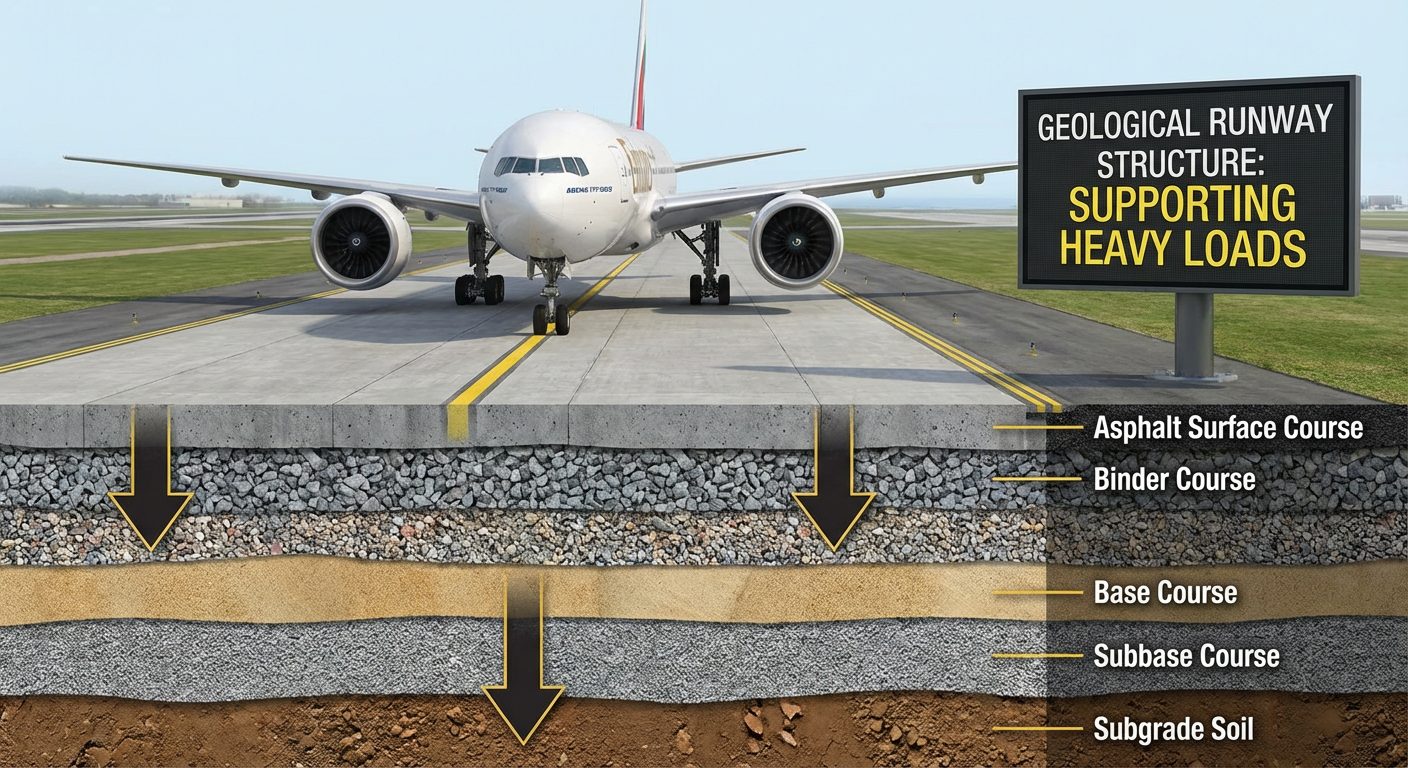
A Boeing 777's maximum takeoff weight is almost 600 tons. The same weight that requires meters of concrete on the ground is held effortlessly by lift.
One of the real reasons for flight anxiety is fear of being judged. This roots back to ancient times when a person not accepted by the community was basically doomed.
In about 30% of cases, people who are afraid of flying are not afraid of something happening to the plane. Their fears have to do with their bodies.
When a plane shakes, it's turbulence. A healthy psyche is not concerned with 'could it be something else?' It evaluates probability, not possibility.
Passengers don't see what pilots see—sometimes the sky is swarming with aircraft. The feeling of isolation has deep psychological roots in early childhood.
The amygdala acts like a barcode scanner—it doesn't know if an event is truly dangerous, it only recognizes codes linked to memories of specific events.
Why don't birds fall from the sky in turbulence? Because like airplanes, they fly INSIDE the air that moves.
One of the most unpleasant aspects of anxiety is that it forces us to focus on threats and ignore safety signals.
Many assume fear of flying is congenital. It's not. By birth, the baby's brain is only 12% formed—a blank slate with no room for existential fears. So why does it develop later?
Some cannot tolerate loneliness on the plane, others become calmer only if no relatives are nearby. The reason depends on the nature of childhood trauma.
Why the need to always be able to save yourself comes from believing in other people's inability to protect you—usually learned in early childhood.
The harmful thought patterns that 30% of passengers have - and why they seem so logical to an anxious mind.
The cult of safety: how the entire aviation industry is built around one goal - keeping you safe.
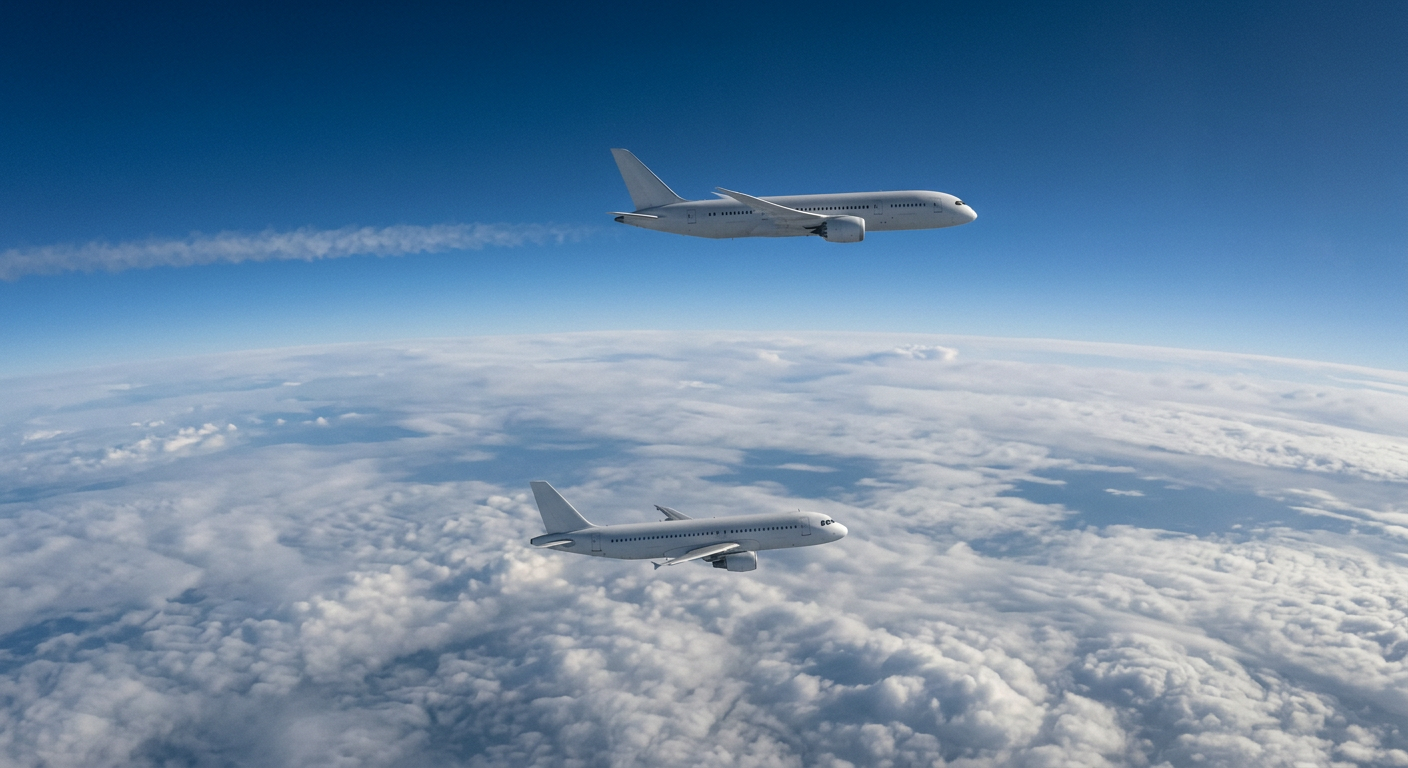
Understanding the sophisticated systems that keep aircraft safely separated, from TCAS to flight level rules.
Exploring the connection between early life experiences and fear of flying through the lens of modern neuroscience.
Why rational understanding alone isn't enough to overcome fear of flying, and what really works.
Why the anxious mind searches for catastrophic explanations and how to recognize this pattern.
Understanding why turbulence near airports is common and completely normal, especially in warm weather and coastal locations.
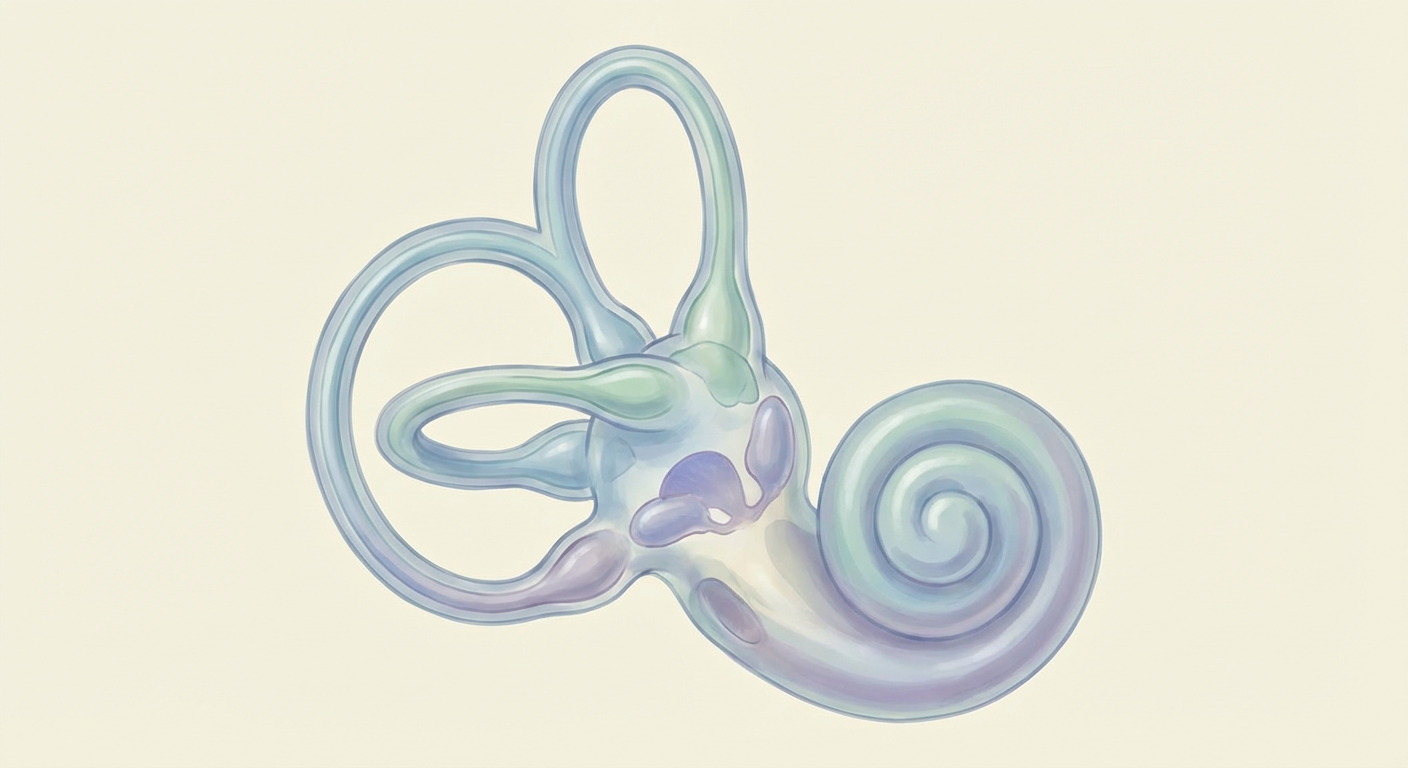
Why your inner ear makes mistakes during flight and creates false sensations of falling or danger.
Understanding aviation's self-regulating safety culture and what it reveals about anxious thinking patterns.
Understanding the crucial difference between feeling unsafe and actually being in danger during a flight.
Dissecting the thinking pattern that keeps fearful flyers trapped in anxiety, and why it has nothing to do with actual safety.
Why climbing and descending often feels bumpy, and how pilots navigate through different wind layers.
The presence of wings, air, and speed - that's all it takes for flight. Understanding the simple physics that keep you safely in the sky.
Understanding how strict internal boundaries and weak external ones contribute to anxiety, phobias, and panic attacks.
You have not flown in a while. Maybe months. Maybe years. But some part of you still believes things could be different. A pilot-therapist maps the honest journey from avoidance to freedom.
A pill that makes the fear go away sounds ideal. But medication prevents recovery rather than supporting it. A pilot-therapist explains the learning problem, the dependency trap, and what works instead.
Night flights trigger a specific, deeper kind of fear. The darkness, the duration, the inability to sleep — a pilot-therapist explains why and offers practical strategies for long-haul flights.
You love someone who is afraid of flying. You have tried reasoning, statistics, and logic. None of it has worked. A guide for partners on what actually helps — and what makes it worse.
Pilots know you are afraid. There is a huge gap between what passengers fear and what pilots experience. A pilot bridges that gap with the perspective from the cockpit.
Your nervous system is a prediction machine. When a sound is unexpected, it becomes a potential threat. This guide walks you through every major sound during a commercial flight — from boarding to landing.
A panic attack on an airplane is not just a panic attack — it is an event that rewires your relationship with flying. A guide to understanding what happened and how to fly again.
You are not crazy. You are not weak. Your nervous system is not broken. It is doing exactly what it was designed to do. A pilot-therapist explains why fear of flying is almost never about flying.
Fear of flying is not genetic — but it is inherited. Not through DNA, but through behavior and the nervous system of the adults who raised you. A guide for parents on how fear takes root and what actually works.
Turbulence is the single most common trigger for flight anxiety. In the entire history of modern commercial aviation, turbulence has never caused an airplane to crash. A pilot and therapist with 31 years of experience explains why.
Get new articles and expert tips delivered to your inbox
State of the art AI fear of flying therapist
Not just another AI chatbot
AlexAI was specially trained on hundreds of lectures and therapy sessions with fearful flyers. It contains the world's largest database on fear of flying and can provide guidance comparable to a real specialist.