You might worry about the pilots. You think: "They are human. Humans make mistakes. If they make a mistake we die." It is a valid point that humans are imperfect. We are not robots. However aviation is the only industry in the world that is built entirely around the assumption that humans will make mistakes.
We use the "Swiss Cheese" model of safety (developed by Prof. James Reason at the University of Manchester and adopted across aviation, healthcare, and nuclear-safety industries). Imagine many slices of swiss cheese lined up. Each slice is a layer of protection. One slice is the pilot's training. Another is the co-pilot. Another is the automated warning system. Another is the air traffic controller. Another is the strict procedure. Each layer has holes because nothing is perfect. A disaster can only happen if the holes in every single layer line up perfectly at the exact same moment. This is statistically incredibly rare.
Pilots are not random people. They are professionals who have dedicated their lives to this. They undergo rigorous training and exams. They have at least 1,500 hours of flight experience before they even get to the cockpit of an airliner (the FAA Airline Transport Pilot minimum). They are tested every six months in FAA-mandated simulator checkrides where they handle engine failures, fires, and system errors. They do not just fly when things are going well. They are experts in managing problems.
This fear often comes from a distrust of authority figures in your past. If your caregivers were unreliable or made mistakes that hurt you then you learned that depending on others is dangerous. You project that unreliable parent onto the pilot. You think they are asleep or incompetent. They are not. They are cross-checking each other constantly. They follow checklists for everything. They are part of a system designed to catch errors before they become consequences.
Sources
- Swiss Cheese Model. Reason, J. (1990). The contribution of latent human failures to the breakdown of complex systems. Philosophical Transactions of the Royal Society of London B, 327(1241), 475-484. Wikipedia summary
- FAA 14 CFR Part 121 Subpart Q. Flight crew member duty period limitations and rest requirements.
- FAA Training and Testing. Recurrent simulator training and proficiency check requirements.
- IATA Annual Safety Report. Industry safety data including pilot-error categorisation.
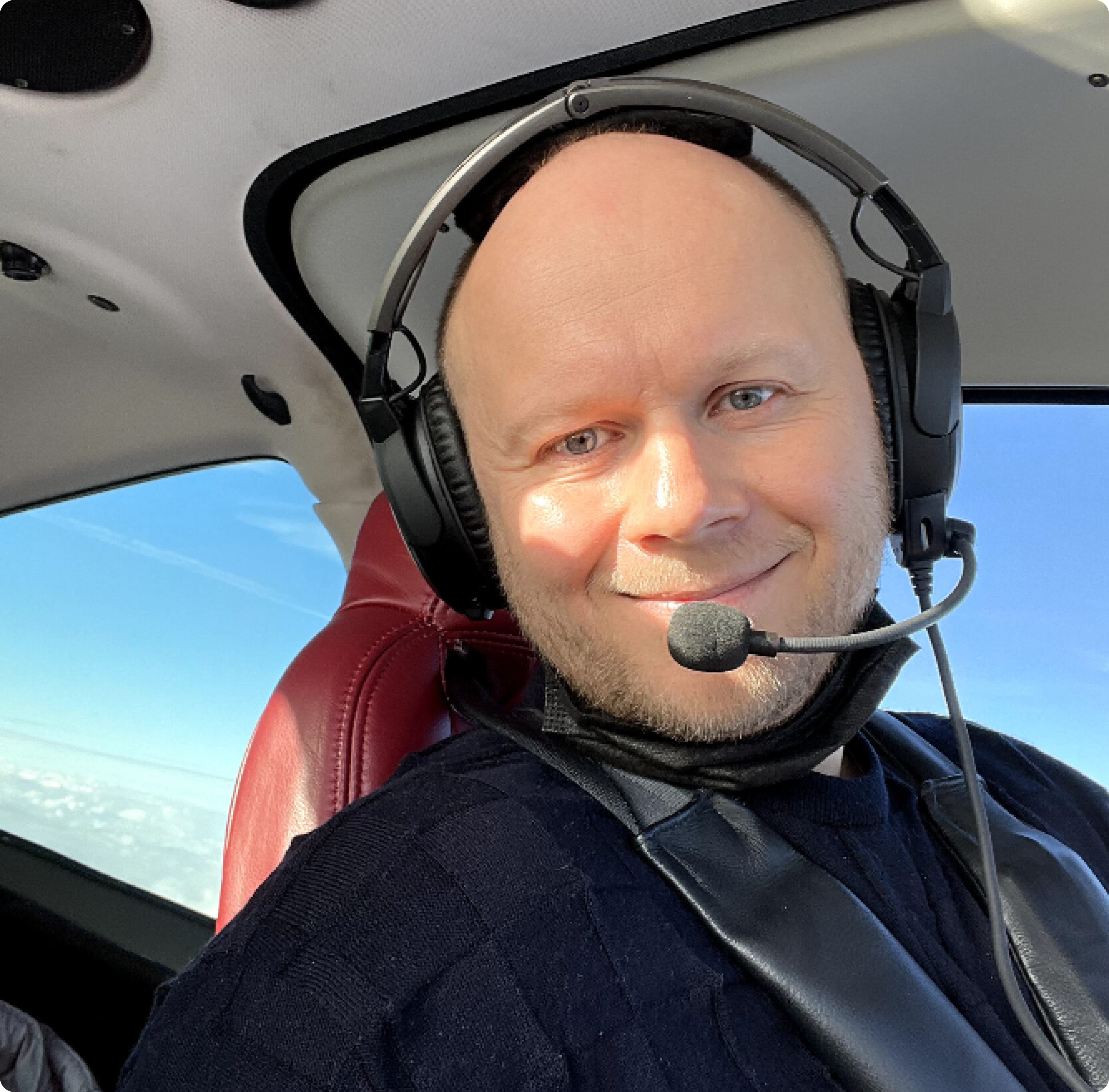
Reviewed by Capt. Alex Gervash, Commercial Pilot and Fear of Flying Therapist, May 2026. Editorial standards.