There is a specific kind of fear that many anxious fliers experience on night flights, and it is different from the fear they feel during the day. It is quieter. Deeper. More existential.
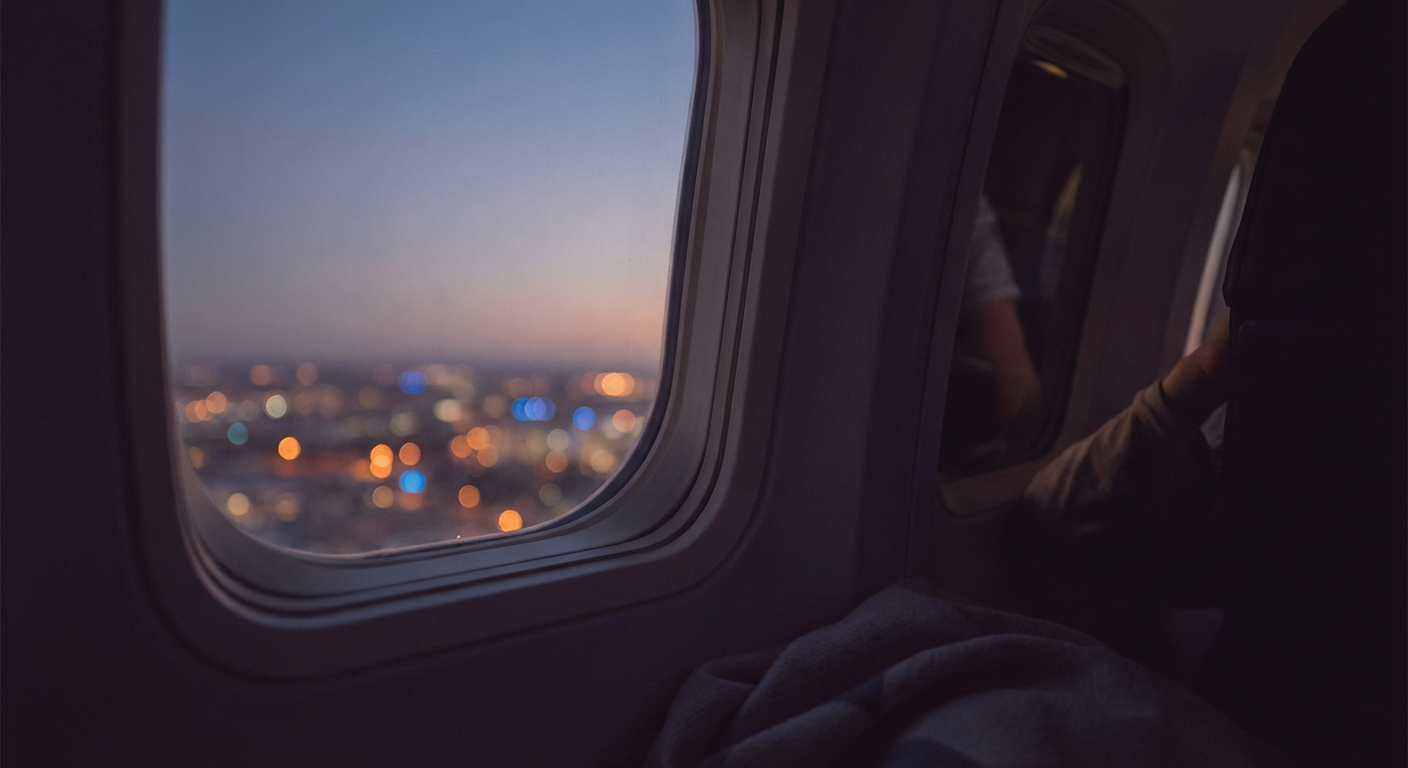
At night, the cabin is dark. The window shows nothing but blackness. Other passengers are sleeping. And the fearful flier is left alone with their thoughts and a nervous system that is now operating with significantly less sensory input.
Why Darkness Increases Fear
The amygdala becomes more reactive in low-light conditions. This is an evolutionary adaptation — darkness meant increased vulnerability to predators. The nervous system responds by heightening threat detection and lowering the threshold for alarm.
The Long-Haul Amplification
On a short flight, you can white-knuckle through it. On an eight-hour or twelve-hour flight, the end is not in sight. The nervous system cycles through intense anxiety followed by relative calm, and the cycling itself is distressing.
Many long-haul flights cross water. Land represents safety. The ocean represents isolation. Modern aircraft on oceanic routes are in constant communication with air traffic control, tracked by satellite, within range of diversion airports at all times. But the nervous system does not care about satellite tracking.
The Sleep Paradox
Sleep requires a sense of safety. The nervous system must shift from sympathetic activation to parasympathetic dominance. For a fearful flier, the conditions are not right. The nervous system has coded this environment as dangerous. Falling asleep in the presence of a perceived threat is biologically contradictory.
What Actually Helps
- Accept that you may not sleep. Removing the pressure to sleep often, paradoxically, makes sleep more possible.
- Bring your own sensory environment. Noise-canceling headphones, eye mask, familiar scent, a soft scarf from home.
- Use structured breathing every thirty minutes throughout the flight.
- Eat and drink regularly. Not alcohol. Warm drinks and light snacks signal normalcy.
- Move. Get up every hour or two. Physical movement discharges stress hormones.
Reframing the Night Flight
Night flights are when the sky is at its calmest. Thermal turbulence essentially stops at night. Air traffic is lighter. The cockpit crew on long-haul flights rotates through rest periods so pilots are always alert.
The night sky from thirty-seven thousand feet is one of the most beautiful things a human being can see. You may not be there yet. But the possibility exists.