Sources
- IATA Annual Safety Report. Per-flight accident rate data for commercial aviation.
- NTSB Aviation Accident Database.
Reviewed by Capt. Alex Gervash, Commercial Pilot and Fear of Flying Therapist. Editorial standards.
Reviewed by Capt. Alex Gervash, Commercial Pilot and Fear of Flying Therapist. Last updated May 2026. Editorial standards.
When a plane shakes, it's turbulence. A healthy psyche is not concerned with 'could it be something else?' It evaluates probability, not possibility.

Reviewed by Capt. Alex Gervash, Commercial Pilot and Fear of Flying Therapist. Editorial standards.
When a plane shakes, it's turbulence. A healthy psyche is not concerned with 'could it be something else?' It evaluates probability, not possibility.
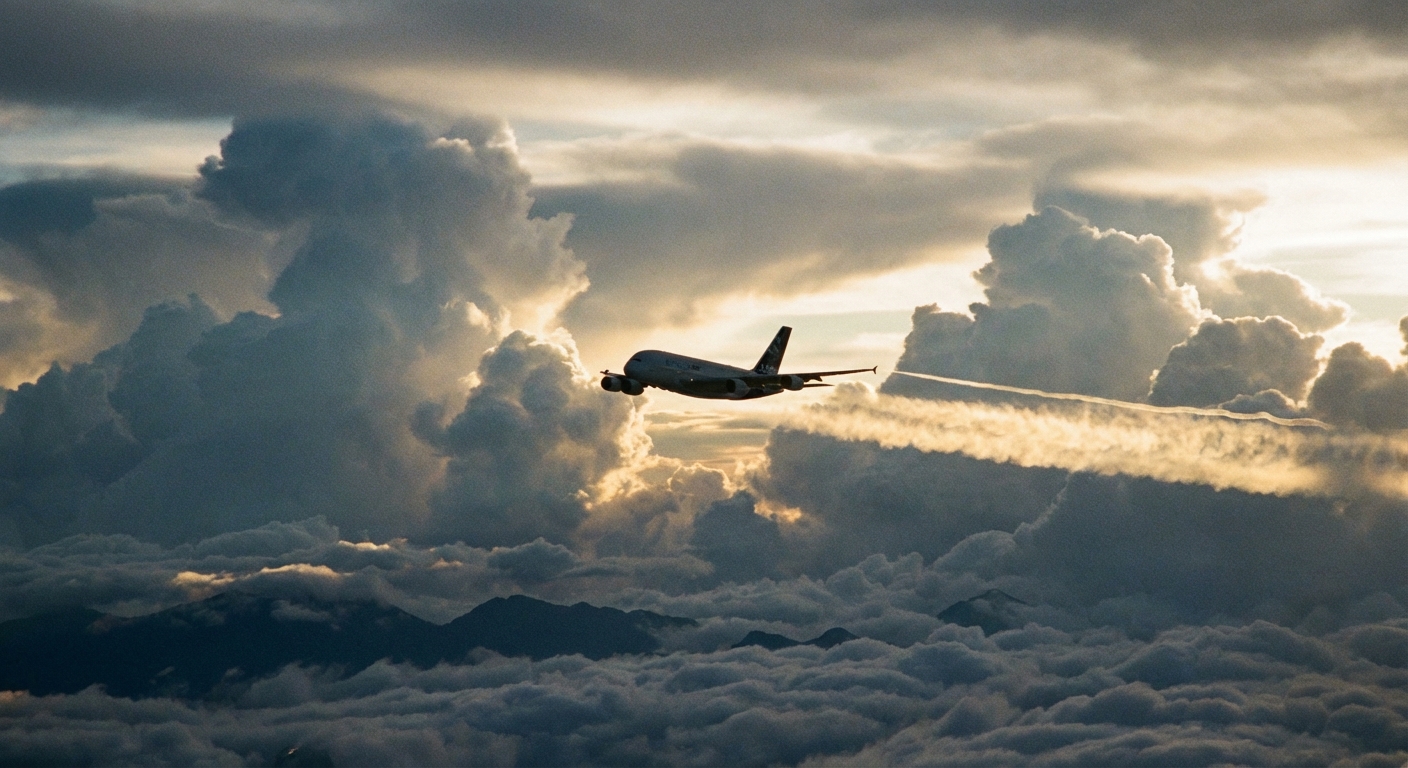
Turbulence is the most misunderstood phenomenon in aviation. It feels dangerous—but the plane is not bouncing off the air, it is moving with the air.

Turbulence feels scary, but here's what's actually happening. Think of it like a fish in a storm - the fish moves WITH the water, not against it.
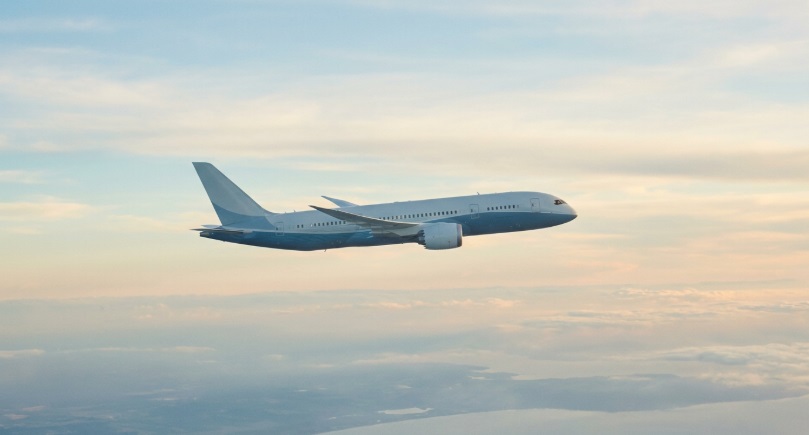
Why air at cruising speed behaves like thick jelly—a powerful visualization to counter the "hanging in a void" illusion.
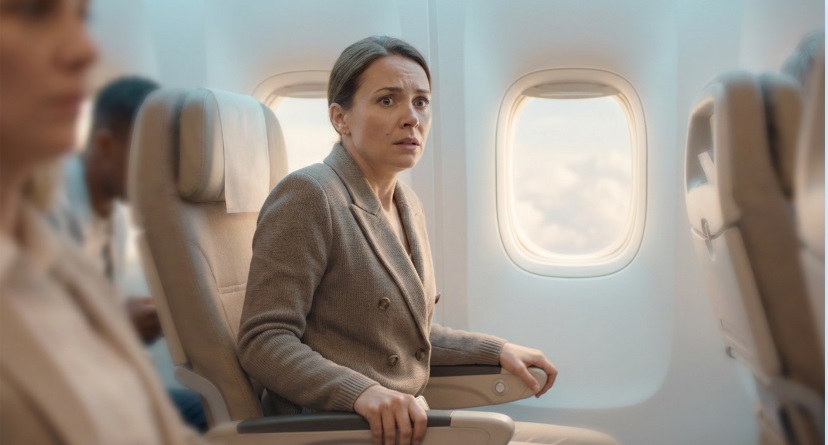
Why the anxious mind searches for catastrophic explanations and how to recognize this pattern.
About this resource
Aviation & Psychology Specialists
The phobia.aero expert team bridges the gap between technical aviation safety and advanced psychology expertise, having successfully resolved over 16,000 cases of aviophobia through decades of clinical and operational experience. Specializing in the intersection of nervous system regulation and flight mechanics, our specialists utilize evidence-based interventions like Somatic Experiencing, EMDR, and CBT to address the root causes of airplane phobia and flight panic. Whether you are struggling with chronic takeoff anxiety or an overwhelming turbulence fear, our multidisciplinary approach provides the physiological tools and cognitive frameworks necessary to overcome a fear of flying for good. This unique synergy ensures that every passenger understands not just why the aircraft is secure, but how to calm their brain's instinctive alarm response during travel.