We need to talk about control because this is where the anxiety often starts. You sit in that seat and feel completely helpless. You cannot steer the plane. You cannot brake. You cannot open the door. This lack of agency feels terrifying because your brain equates control with safety. If I am in charge then I am safe. If I am not in charge then I am in danger.
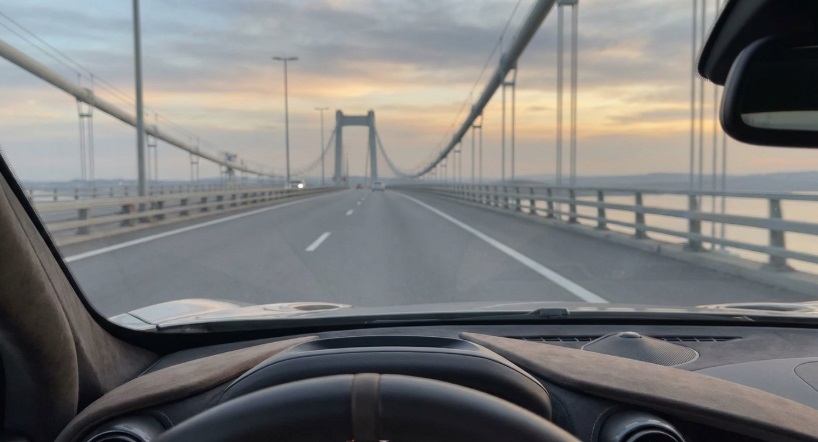
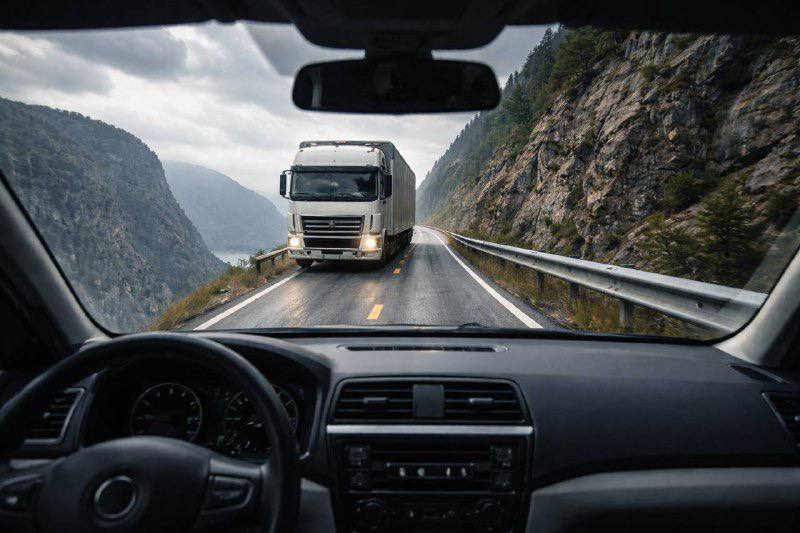
Let's look at this honestly. Control in our daily lives is largely an illusion. We think we have it, but we rarely do. Imagine you are driving through a narrow tunnel. There are concrete walls inches away from your mirrors. Huge trucks are rushing toward you in the opposite lane at 100 kilometers per hour. Only fifty centimeters separate you from a head-on collision. If that other driver sneezes or checks their phone for one second then it is over. You have zero control over that driver or their truck. Yet you drive through tunnels without panic.
Your fear in the plane is not actually about the plane. It comes from your history. If you grew up in an environment where authority figures were unreliable or where you had to be hyper-vigilant to survive, your nervous system learned a hard lesson. It learned that safety only exists when you are the one holding the wheel. The plane triggers this old wound.
The reality is quite different. Aviation is engineered specifically to operate without your input. There are two pilots cross-checking each other. There are automated systems monitoring every parameter. There are global standards ensuring consistency. The system does not need you to hold it together.
The therapeutic work here is to realize that "losing control" is a myth because you never had it in the first place. You can stop fighting for impossible control over the machine. You can start managing what is actually yours to manage. You control your breath. You control your muscle tension. You control your attention. The plane will fly whether you worry about it or not.