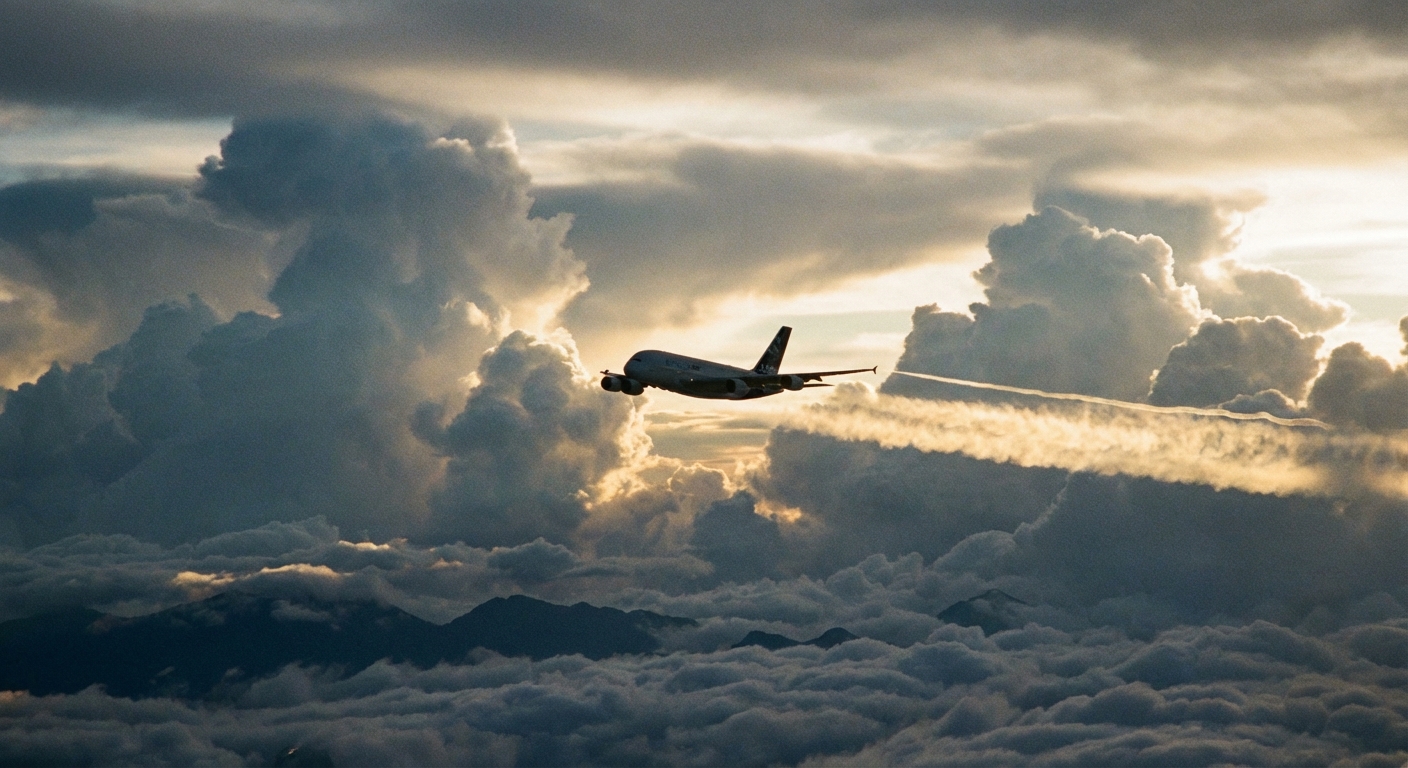
Why don't birds fall from the sky in turbulence? Because like airplanes, they fly INSIDE the air that moves.
Fear of turbulence is one of the most frequent manifestations of anxiety. From an aviation point of view, any turbulence is absolutely safe for the aircraft and for restrained passengers.
Think about it: why don't birds that fly in turbulence all day, every day, fall from the sky? The point is that birds, like airplanes, fly INSIDE the air that moves. They do not resist the air and its movements, but move with it, within it.
Remember that logic and common sense are of little help with phobias. Instead, it's worth taking a full course and dealing with the REAL causes of fear.
In Short
Why don't birds fall from the sky in turbulence? Because like airplanes, they fly INSIDE the air that moves.
The phobia.aero team consists of psychology and trauma therapy specialists dedicated to dismantling aerophobia through a blend of clinical insight and technical cockpit knowledge. By utilizing an evidence-based methodology, the team addresses the root causes of flight panic and aviation anxiety, helping over 16,000 individuals move past debilitating panic attacks on planes. Whether you are navigating takeoff anxiety or seeking turbulence explained from a professional pilot perspective, their approach provides a comprehensive alternative to traditional aerophobia therapy. This unique synergy of fear of flying expertise ensures passengers can transform their relationship with the skies and regain total control over their travel experiences.