The Complete Guide to Turbulence
Reviewed by Capt. Alex Gervash, Commercial Pilot and Fear of Flying Therapist. Last updated October 2026. Editorial standards.
Everything fearful flyers need to know about turbulence - from physics to psychology
Turbulence is the most common trigger of flight anxiety, yet it is one of the safest phenomena in aviation. This guide brings together everything you need to understand turbulence - what causes it, why it feels worse than it is, and how to cope.
Key Takeaways
- 1Turbulence has never caused a modern commercial aircraft to crash.
- 2Aircraft are certified to withstand forces 1.5× greater than any recorded turbulence.
- 3Your fear response to turbulence is a nervous system reaction, not a signal of real danger.
- 4Pilots use radar, forecasts, and inter-aircraft reports to manage turbulence proactively.
- 5Learning what turbulence actually is reduces anxiety more than trying to distract yourself.
Turbulence in plain English
Turbulence is rough air. It feels alarming and looks dramatic, but for a modern airliner it is a structural non-event. No modern commercial jet has ever broken up in flight from turbulence alone.
- Certification margin. FAA Part 25 requires the airframe to withstand 1.5 times the worst aerodynamic load it will ever face in service.
- Wing flex. In static testing, airliner wings are bent more than 15 meters upward before they fail.
- NTSB record. Zero modern commercial airliners have suffered structural failure from turbulence.
- What actually gets hurt. Almost all turbulence injuries are unbuckled passengers and loose objects in the cabin, not damage to the airplane.
- Pilot tools. Crews route around forecast turbulence using onboard radar, ride reports, and FAA Aviation Weather Center products. We see the air mass long before you feel it.
So why does it feel so bad if the airplane is fine? The plane is not bouncing off the air. It is moving with the air. Think of a fish in the ocean during a storm. Waves move up and down hard. Does the fish break? No. It moves with the water.
An airliner sits inside the air mass the same way. The wing is built to flex. In FAA Part 25 certification, that wing is bent 15+ meters upward in the test rig without failing. It can take 1.5 times more load than the worst turbulence ever recorded. NTSB data is clean on this: no modern airliner has ever suffered structural failure from turbulence. Not one.
So why does it feel awful? Because your nervous system reads sudden vertical motion plus loss of control as a falling threat. That reading is wrong, and yet it is honest. The body cannot read FAA load factors. It reads sensations. Your stomach is responding to the air mass, the same way the fish is. The fish is fine. So are you.
The practical part is short. Belt on, always, even when the sign is off. Most "turbulence injuries" you hear about are unbuckled passengers, not broken planes. Pilots route around forecast turbulence using the FAA Aviation Weather Center products. We see the air mass coming long before you feel it. If you want to anticipate what the air will do on your route, you can check the live turbulence forecast for your specific flight before you leave for the airport. For a broader picture of the conditions ahead, the free turbulence outlook from SkyBriefing covers your route up to 24 hours in advance. The articles below explain each layer in detail.
Frequently Asked Questions
Is turbulence dangerous to the airplane?
No. Modern airliners are certified by the FAA to take 1.5 times the worst load they will ever see in service. Wings flex by design and are bent 15+ meters upward in the test rig without breaking. NTSB has no record of a modern commercial airliner suffering structural failure from turbulence. The airframe is not the issue. Loose objects and unbuckled passengers are.
Can a plane crash because of turbulence?
There is no recorded case of a modern commercial airliner crashing due to turbulence alone. The engineering margin is enormous. The rare turbulence-related injuries are to people inside the cabin, not failures of the airplane.
Why does turbulence feel so much worse than it is?
Because your body cannot read FAA load factors. It reads sensations. Sudden vertical motion plus loss of control plus no exit, your nervous system files this as a falling threat. The reading is wrong. The reading is also honest. Body-based work, slow exhale longer than the inhale, grounding through the feet, can settle it within minutes.
Will turbulence get worse with climate change?
Research suggests clear-air turbulence may increase moderately over coming decades as the jet stream shifts. Aircraft, route planning, and forecasting are already adapting. Even with predicted increases, the structural margin built into commercial aircraft stays far above any forecast intensity. The plane is not the variable. Your nervous system is.
Why do pilots stay calm during turbulence?
Because we know two things you cannot see from seat 14C. What the airplane is actually doing on the instruments. And what the air mass ahead is forecast to do in the next 5 to 30 minutes. From the cockpit, turbulence is information. It tells us to slow down, change altitude, or warn the cabin. Same as a driver seeing a rough patch of road and easing the speed.
What should I do as a passenger when turbulence starts?
Stay seated. Belt on. Pick a fixed point or close your eyes. Lengthen your exhale, make it longer than your inhale. This shifts the nervous system out of alarm. Stop scanning your stomach. Notice neutral sensations instead, like the contact of your feet with the floor. If you have severe anxiety, rehearse a body-based technique at home in advance. Trying to "talk yourself out of it" mid-flight is the worst time to learn one.
Sources & References
Claims in this guide are drawn from the following primary sources. Where a number, statistic, or safety claim appears above, it is traceable to one of these references.
- Part 25, §25.305 (Strength and deformation). U.S. Federal Aviation Administration, . www.ecfr.gov/current/title-14/chapter-I/subchapter-C/part-25
- Aviation Accident Statistics. U.S. National Transportation Safety Board. www.ntsb.gov/safety/data/Pages/AviationDataStats.aspx
- Aviation Weather Center (Graphical Forecasts for Aviation). U.S. National Weather Service. www.aviationweather.gov/gfa
Articles in This Guide
 1📖 Long Read
The Complete Guide to Turbulence: Why the Scariest Part of Flying Is Actually the Safest
Turbulence is the single most common trigger for flight anxiety. In the entire history of modern commercial aviation, turbulence has never caused an airplane to crash. A pilot and therapist with 31 years of experience explains why.
 2
2The Truth About Turbulence: Comfort vs. Safety
Turbulence is the most misunderstood phenomenon in aviation. It feels dangerous—but the plane is not bouncing off the air, it is moving with the air.
 3
3The Fish in the Storm: Understanding Turbulence
Turbulence feels scary, but here's what's actually happening. Think of it like a fish in a storm - the fish moves WITH the water, not against it.
 4
4Physics for the Phobic: The Jelly Air
Why air at cruising speed behaves like thick jelly—a powerful visualization to counter the "hanging in a void" illusion.
 5
5Turbulence is Safe: Why Your Brain Disagrees
When a plane shakes, it's turbulence. A healthy psyche is not concerned with 'could it be something else?' It evaluates probability, not possibility.
 6
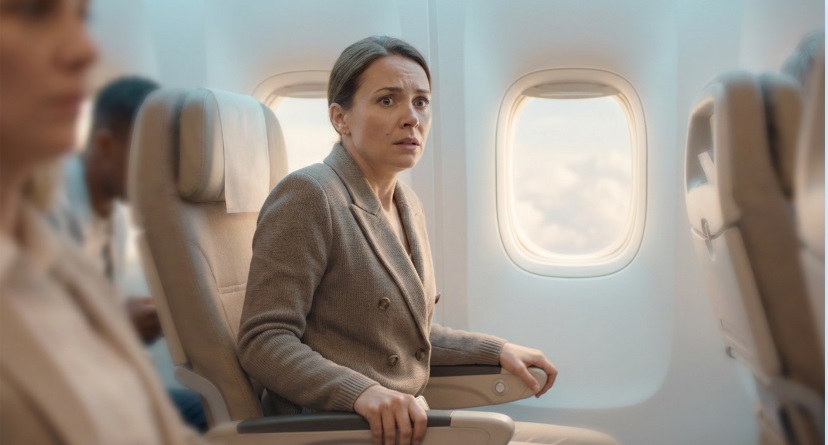
6"What If It's Not Turbulence, But Something Else?"
Why the anxious mind searches for catastrophic explanations and how to recognize this pattern.
 7
7Low-Level Turbulence Explained
Understanding why turbulence near airports is common and completely normal, especially in warm weather and coastal locations.
 8
8Turbulence During Descent and Ascent
Why climbing and descending often feels bumpy, and how pilots navigate through different wind layers.
 9
9Turbulence Tip: The Bird Analogy
Why don't birds fall from the sky in turbulence? Because like airplanes, they fly INSIDE the air that moves.
 10
10How Fear of Turbulence is Linked to Early Developmental Trauma
The amygdala acts like a barcode scanner—it doesn't know if an event is truly dangerous, it only recognizes codes linked to memories of specific events.
 11
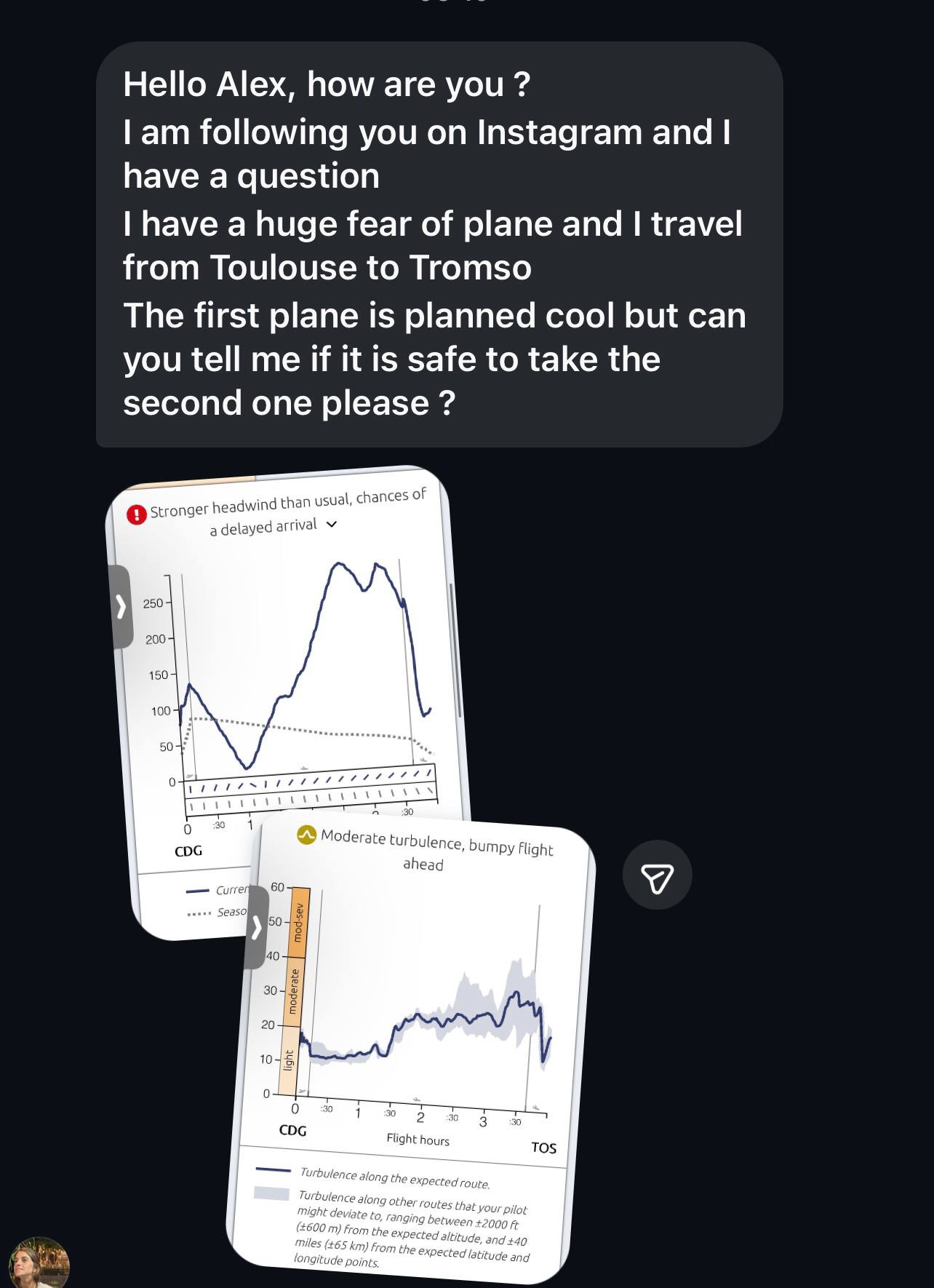
11Turbulence forecasts before flight – is it actually a good idea?
Checking turbulence forecasts before flight seems like a good way to calm down. But does it really reduce anxiety? In this article, we explore when turbulence forecasts help and when they backfire.
 12
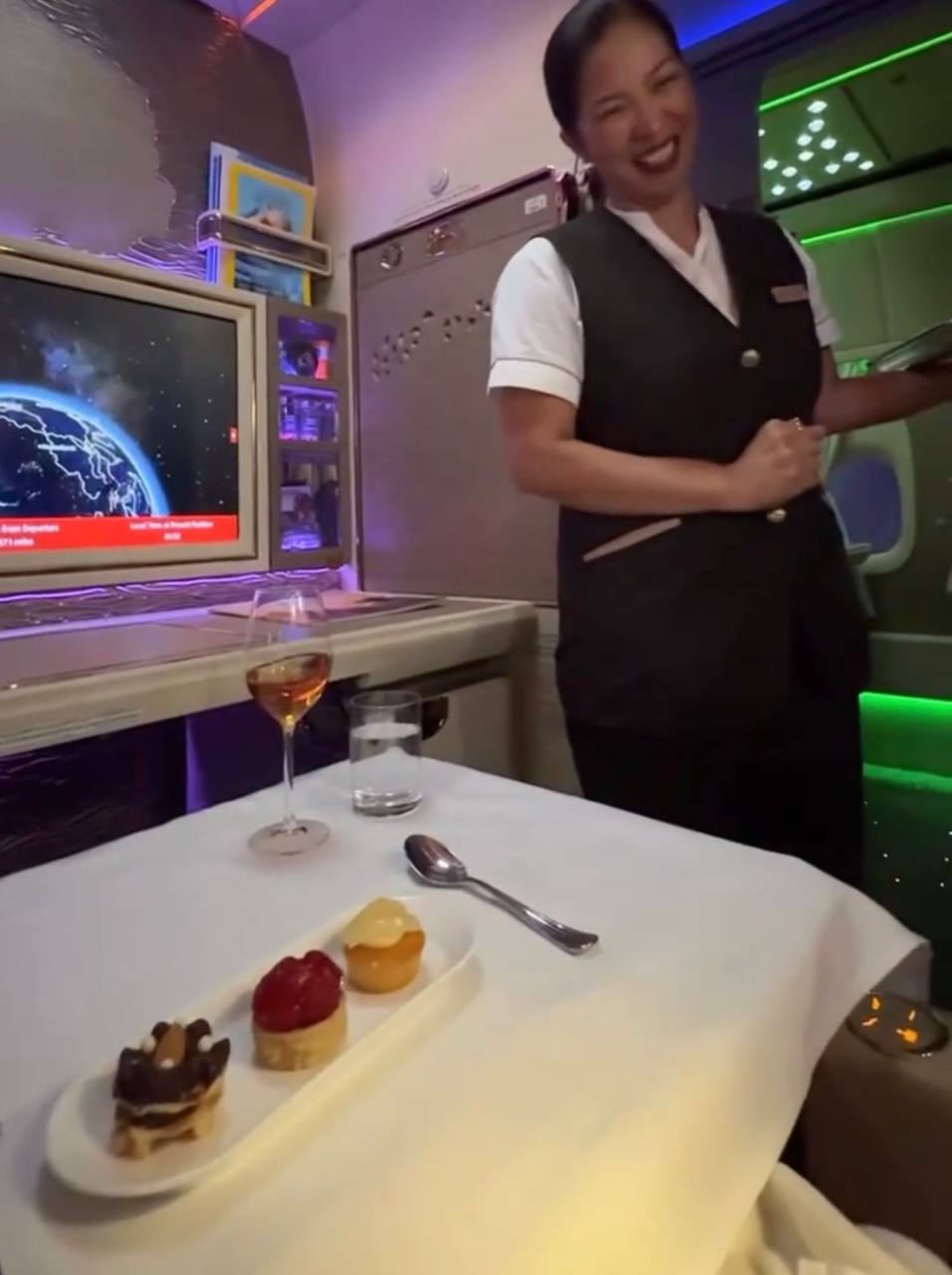
12Why it feels calmer to fly business class?
 13
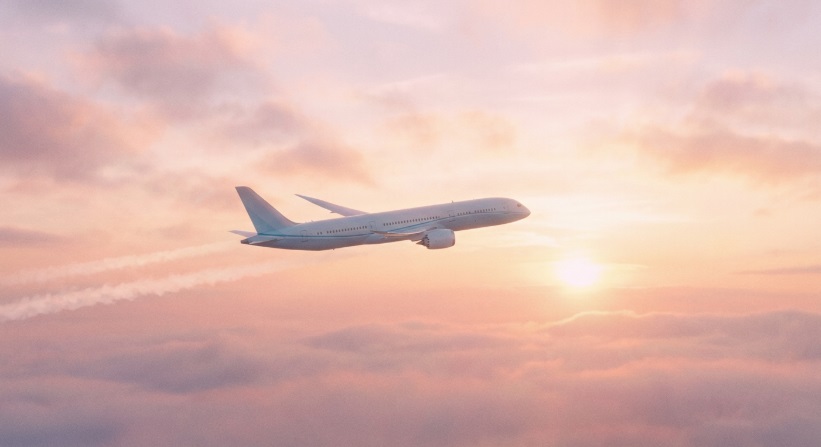
13For a Flight, a Plane Needs Only 3 Conditions
The presence of wings, air, and speed - that's all it takes for flight. Understanding the simple physics that keep you safely in the sky.
 14
14Is Turbulence Dangerous? A Commercial Pilot Explains
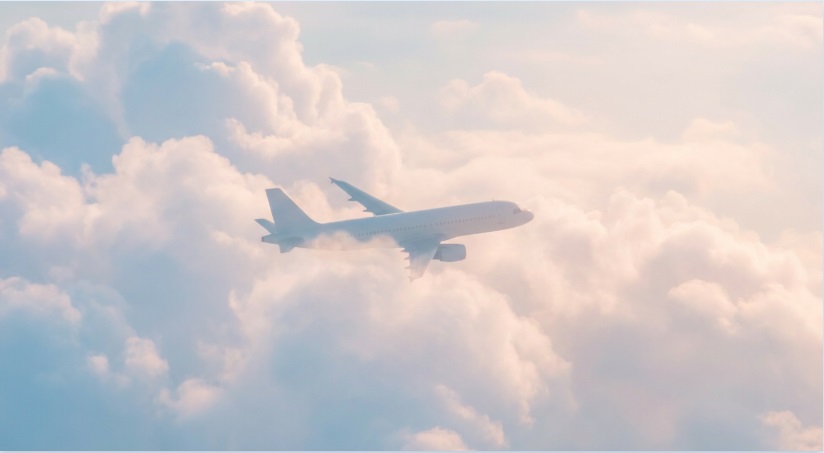
A commercial pilot with 31 years of experience answers the most common turbulence question with facts, physics, and FAA/NTSB data - and explains why turbulence has never caused a modern commercial aircraft to crash.
About the author
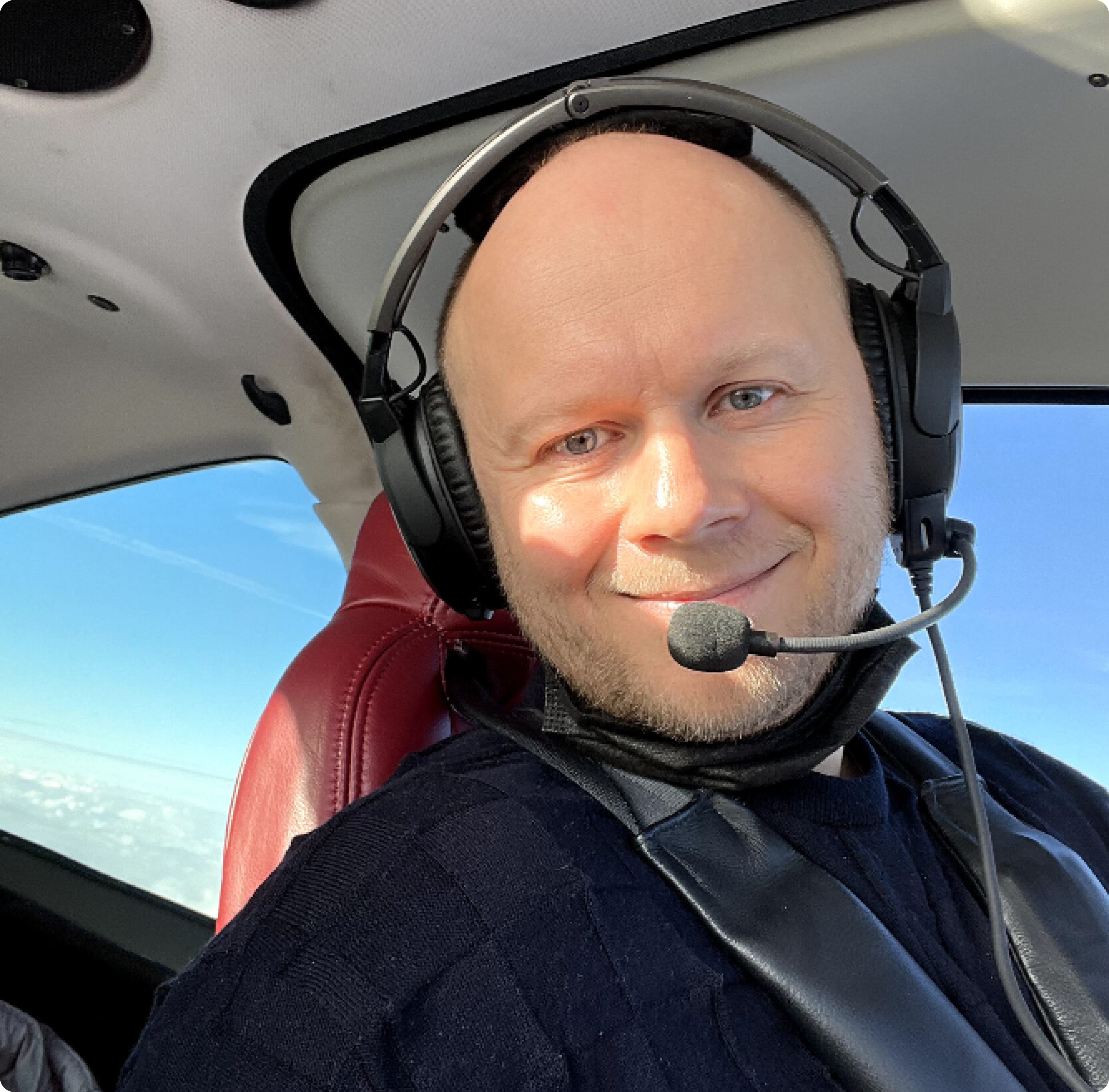
Alex Gervash
Pilot & Fear of Flying Specialist
- Commercial Pilot (31 years aviation experience)
- Trained in psychology and trauma therapy (EMDR, Somatic Experiencing)
- Founder of phobia.aero & SkyGuru App
Alex Gervash brings a unique perspective to treating fear of flying, combining 31 years of commercial aviation experience with deep expertise in psychology and trauma therapy. His approach to aerophobia integrates Somatic Experiencing®, EMDR therapy, and polyvagal theory with comprehensive aviation knowledge. Having personally helped over 16,000 individuals overcome flight anxiety, panic attacks on planes, and turbulence fear, Alex continues to support nervous flyers worldwide through the SkyGuru flight companion app used by 200,000+ users.