According to Polyvagal Theory, when we perceive danger during flight, our thinking brain literally goes offline. Understanding which nervous system state you're in is the first step to climbing back to safety.
Ever felt like you completely lose your mind during takeoff? Like you can't think straight, can't remember the safety facts you know, and can't talk yourself down?
There's a scientific reason: your thinking brain has gone OFFLINE.
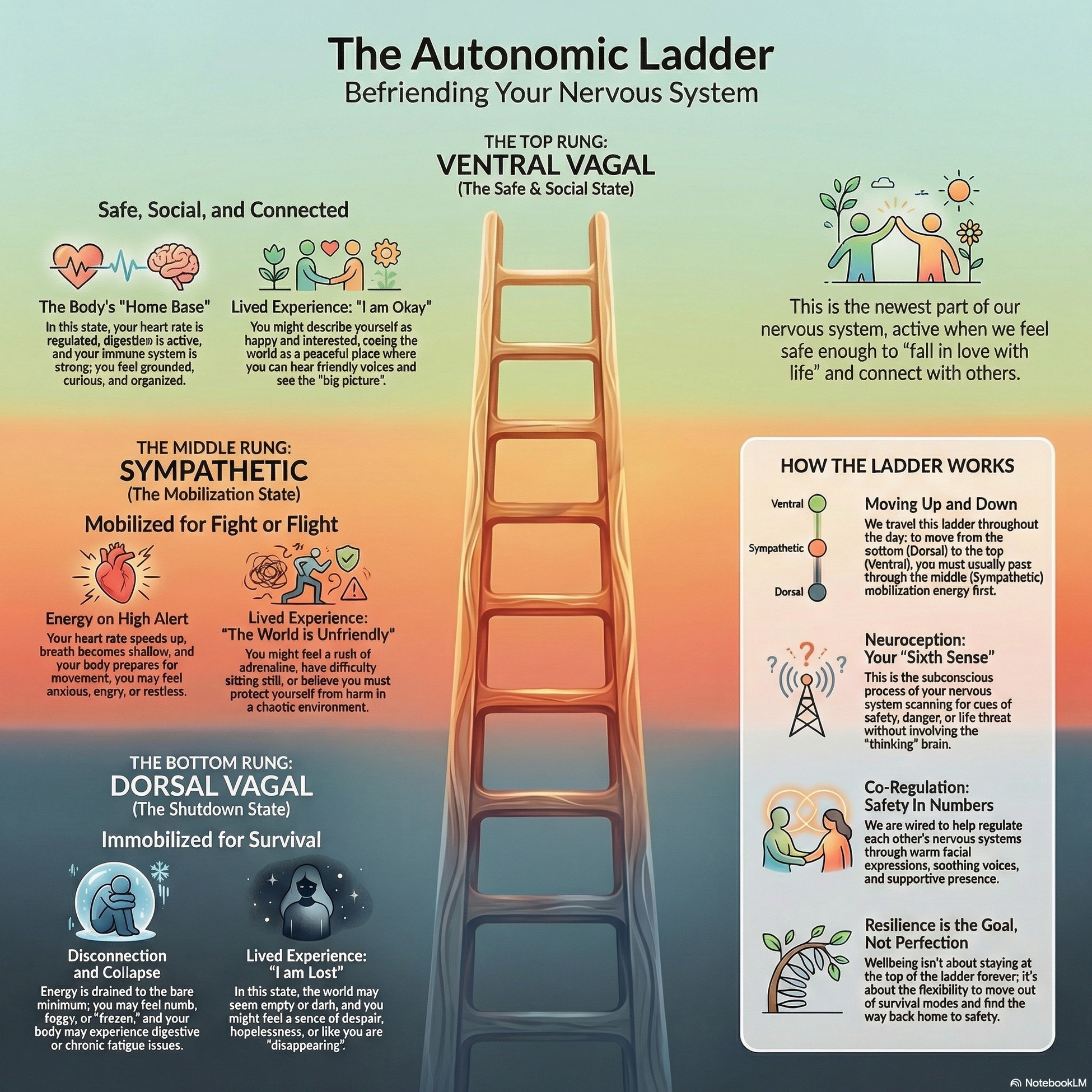
According to Polyvagal Theory by Dr. Stephen Porges, when we perceive danger, our nervous system has three possible responses:
VENTRAL VAGAL (Safe & Social): You feel calm, connected, able to think clearly. This is where you want to be.
SYMPATHETIC (Fight or Flight): Your heart races, muscles tense, you feel activated. You're anxious but still somewhat functional.
DORSAL VAGAL (Freeze/Shutdown): You feel numb, disconnected, trapped. Time to shut down and conserve energy.
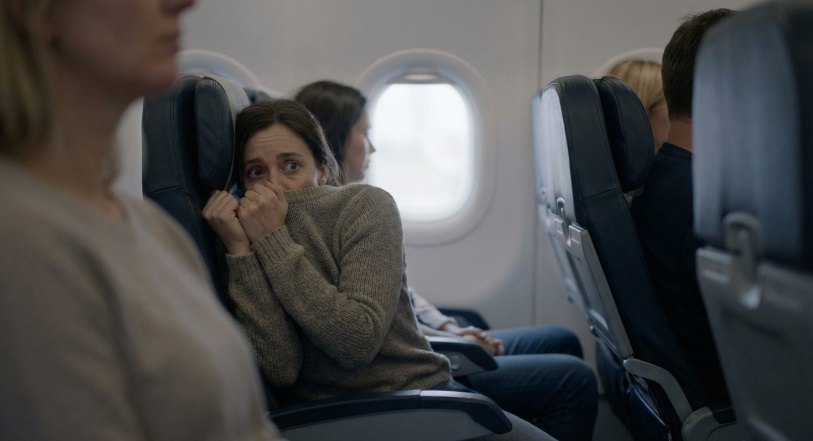
During a panic attack on a plane, you're not in your thinking brain anymore. You're governed by your reptilian brain - the ancient part that only knows: "I'm going to die right now."
In this state:
❌ Logic doesn't work
❌ Rational thoughts have zero meaning
❌ You can't remember anything helpful
❌ You're just... not there
The good news? Understanding WHICH state you're in is the first step to climbing back up to safety.
In Short
According to Polyvagal Theory, when we perceive danger during flight, our thinking brain literally goes offline. Understanding which nervous system state you're in is the first step to climbing back to safety.
Alex blends 31 years of deep expertise in aviation safety with nearly two decades of clinical experience, having successfully guided over 16,000 individuals through the complexities of aviophobia. As a dedicated fear of flying specialist, Alex utilizes evidence-based strategies like EMDR therapy, Somatic Experiencing, and CBT to help every nervous flyer rewire their physiological response to perceived danger. This unique background allows for tailored in-flight support and practical tools that transform airplane phobia into lasting flight comfort. Whether acting as a professional flight companion or offering remote coaching, Alex remains a leading authority in reclaiming the joy of travel.