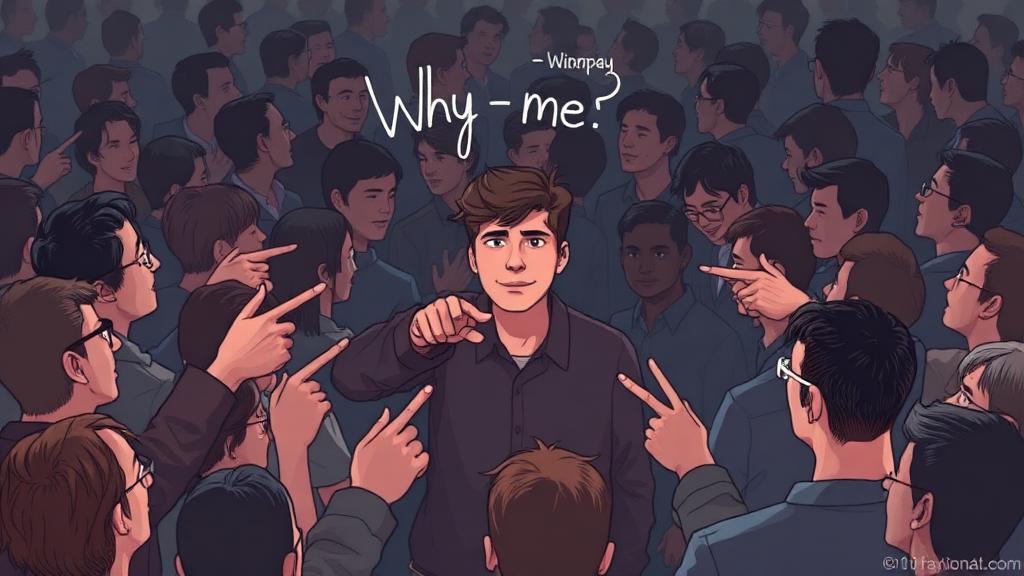
Two airplanes take off every second worldwide. So why do so many believe they'll be "the one" when something goes wrong?
Two airplanes take off every single second worldwide. On each plane, about 20% of passengers are anxious fliers. They all think: "Something will happen to MY flight."
But nothing happens.
So why do thousands of people believe they'll be "the one"?
It's not about logic. It's about emotional memory.
If you grew up feeling unsafe while others felt protected... If you experienced trauma while your friends didn't... If your parents betrayed you while other kids' parents protected them...
Your psyche learned a painful lesson: "When bad things happen, they happen to ME."
This is called emotional knowledge. It's not rational, but it's powerful. And it governs your fear more than any statistic ever could.
When you think "millions are safe, but I'll be the one," you're not being irrational. You're remembering. Your nervous system is trying to protect you based on what it learned when you were young.
The fear is real. The danger isn't. And understanding the difference is the first step.
In Short
Two airplanes take off every second worldwide. So why do so many believe they'll be "the one" when something goes wrong?
Trained in psychology and trauma therapy (EMDR, Somatic Experiencing)
Founder of phobia.aero & SkyGuru App
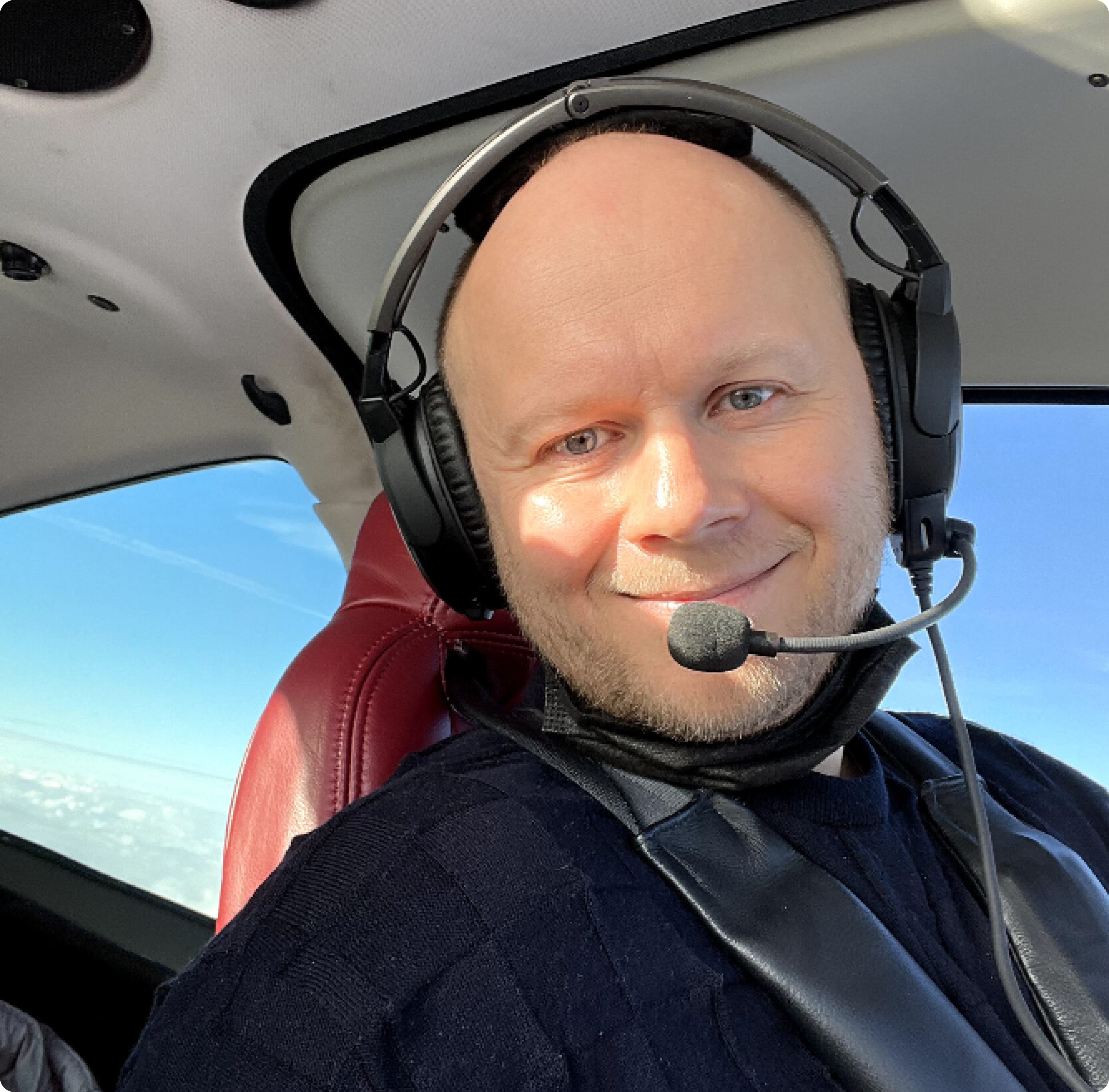
Alex Gervash is a distinguished psychology and trauma therapy specialist who leverages 31 years of experience as a commercial pilot to demystify the mechanics of flight. Having successfully treated over 16,000 cases of severe aerophobia, he bridges the gap between technical aviation knowledge and clinical intervention, specifically focusing on how the autonomic nervous system reacts to perceived threats. As the creator of the SkyGuru flight companion app, Alex provides real-time support for the nervous flyer, offering professional insights into turbulence explained through data. His unique approach to aerophobia therapy integrates EMDR therapy to address deep-seated trauma, helping individuals overcome takeoff anxiety and the irrational "one-in-a-million" bias. Whether tackling a lifelong flying phobia or situational aviation anxiety, Alex’s evidence-based methods remain the gold standard for anyone seeking to conquer their fear of flying for good.