The Second Trap in the Mindset of a Fearful Flyer
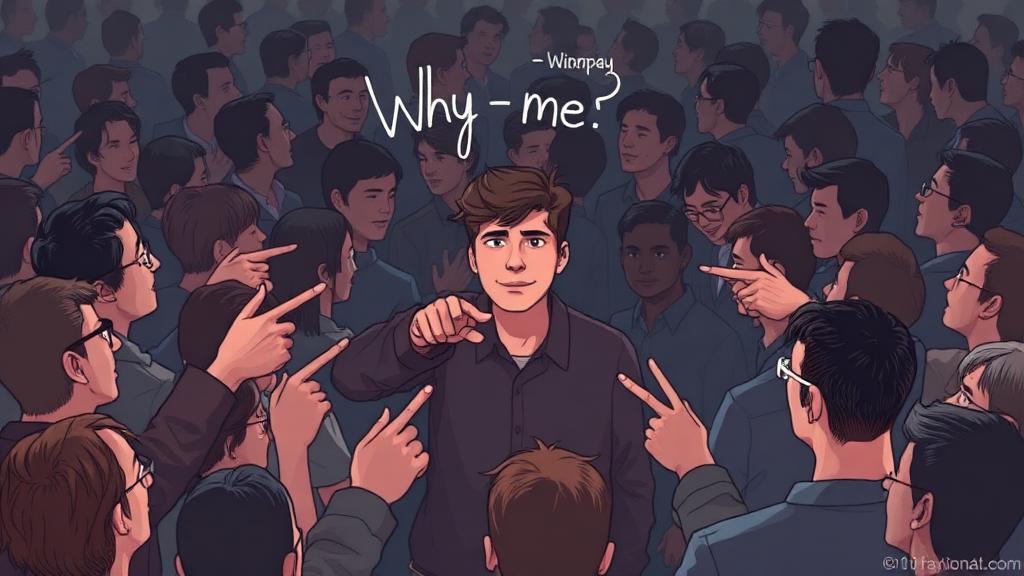
Today we dissect a second trap in the mindset of a fearful flyer — "Yet something can go wrong". Or an alternative, "Yet something can happen."
First, you're absolutely right. Yes, something "can go wrong" and yes, anything "can happen".
Aviation's Built-In Redundancy
An airplane, for example, consists of 6,000,000 parts, and it would be illogical to assume that all 6,000,000 parts will always work perfectly.
However the people who designed this plane were aware that something can "go wrong". That is why every aviation system that affects flight safety is duplicated, and often more than once.
Smart people, when they design and operate aircraft, necessarily assume that something "can go wrong." The entire aviation system is geared to the fact that in cases when something "goes wrong", there are other systems and clear algorithms to prevent the transformation of "went wrong" into a serious problem.
The Problem With This Thinking
In general, the idea "yet something can happen" is very problematic. Think about it, since anything can happen, anytime, anywhere. If you live with ideas like "yet it can happen...", then very soon there will come a time when you won't be able to leave the house, because "it can happen..."
However, I hope you don't think that way outside of the plane. Leaving the house, you don't think "what if something goes wrong with some random truck driver on the oncoming lane", do you? Or "what if a brick falls on my head"?
Then why are such thoughts acceptable to you on the plane?
The Real Root of the Problem
All of that, my friends, is because you need an explanation, a justification of your own fear. This is how we all are made – if we have feelings, they must have a justification.
For example, when we fall in love, we endow the object of our adoration with a million "incredible" and "unique" features. "If I feel fear on the plane, I need to find out why it is justified."
Well, the one who seeks, will always find. And now the thought "what if something goes wrong" seems very "logical".
Obviously, the root of the problem is not in the fact that "something can happen". It is in a general distrust of life.