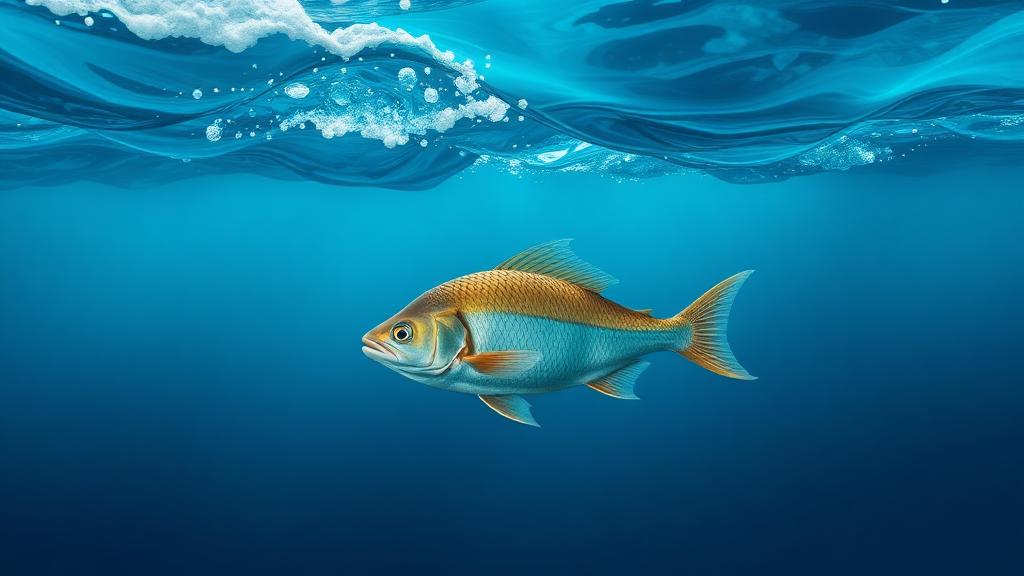
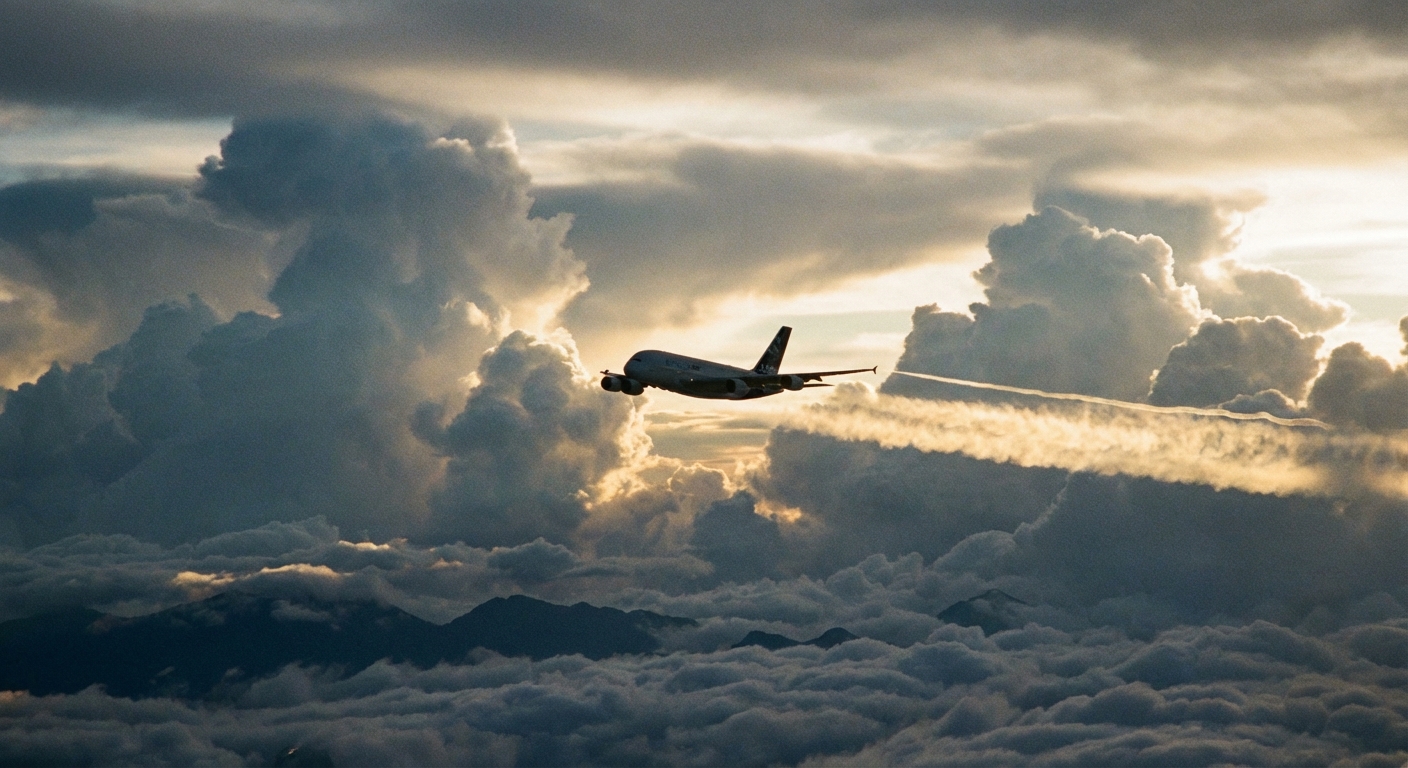
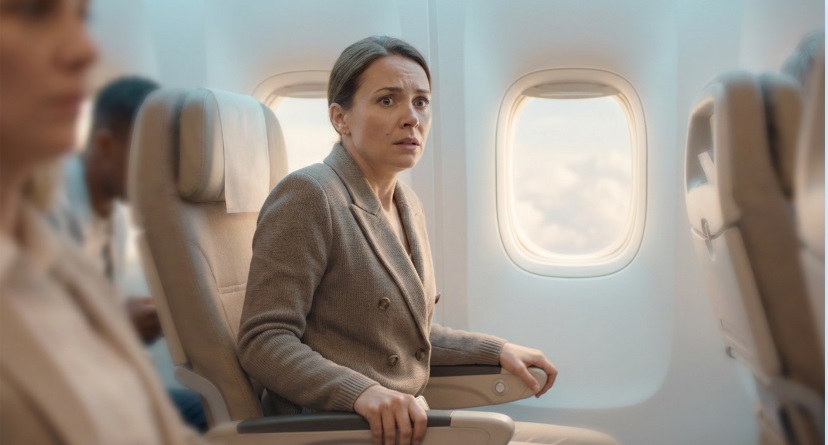
Turbulence feels scary, but here's what's actually happening. Think of it like a fish in a storm - the fish moves WITH the water, not against it.
Turbulence feels scary, but here's what's actually happening:
Air has different temperatures. Warm air rises faster than cold air. When your plane flies through these temperature differences at high speed, you feel bumps. That's it. That's turbulence.
Think of it this way: A fish swimming in the ocean stays safe even during a storm. Why? Because the fish moves WITH the water, not against it. The fish is inside the stream, flowing with it.
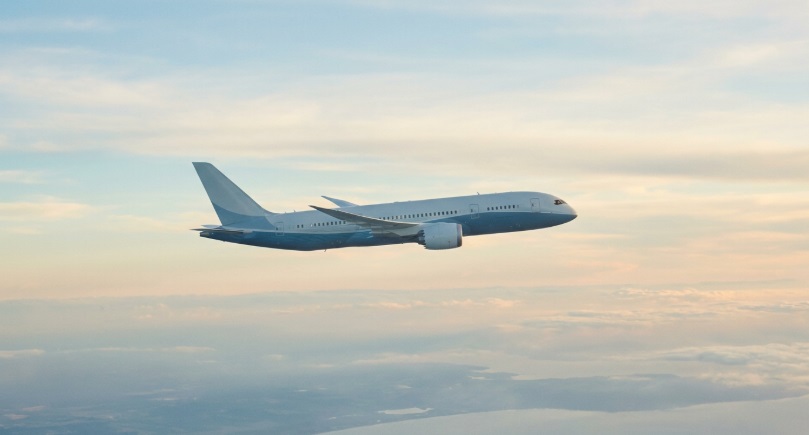
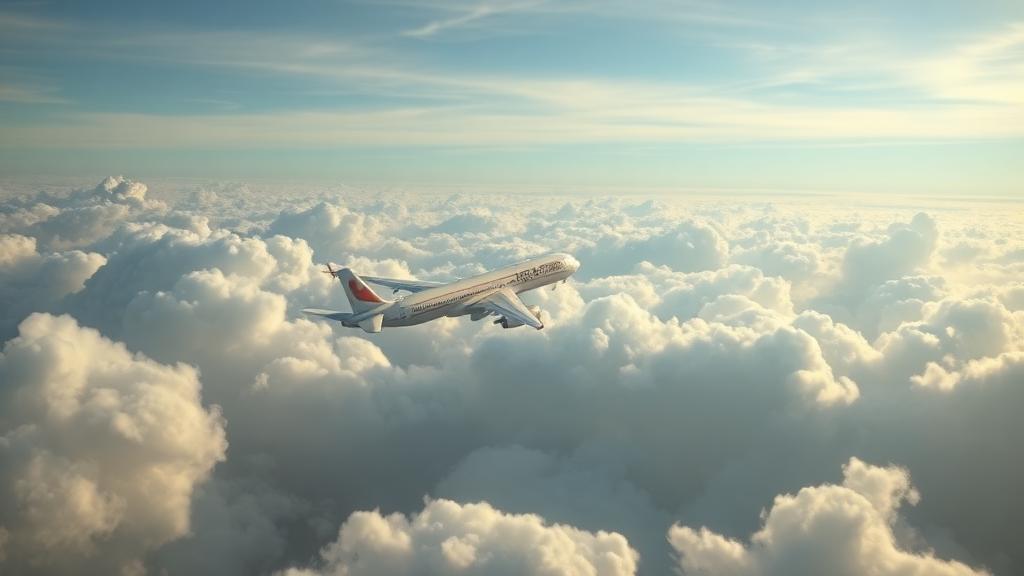
Your airplane does the same thing. It moves with the airflow, inside the airflow, without resisting it. No matter how severe the turbulence feels, the plane remains safe and sound.
The bumps you feel are not the plane struggling. They're just your body experiencing rapid movement through air of different temperatures.
Safe? Yes. Comfortable? Sometimes not. But there's a big difference between uncomfortable and unsafe.
In Short
Turbulence feels scary, but here's what's actually happening. Think of it like a fish in a storm - the fish moves WITH the water, not against it.
The phobia.aero specialists team brings together an unrivaled fusion of 31 years in commercial aviation and 18 years of trauma therapy expertise to help individuals overcome fear of flying. By combining a professional pilot perspective with evidence-based techniques like EMDR and Somatic Experiencing, they have successfully supported over 16,000 clients navigating aerophobia and takeoff anxiety. Whether addressing a deep-seated flying phobia or providing strategies for greater flight comfort, their multidisciplinary approach offers the tools every nervous flyer needs to reclaim the skies. This unique blend of clinical psychology training and technical mastery ensures unparalleled in-flight support for those ready to travel with confidence.