Do you watch flight attendants' faces for signs of danger? Here's why that strategy backfires.
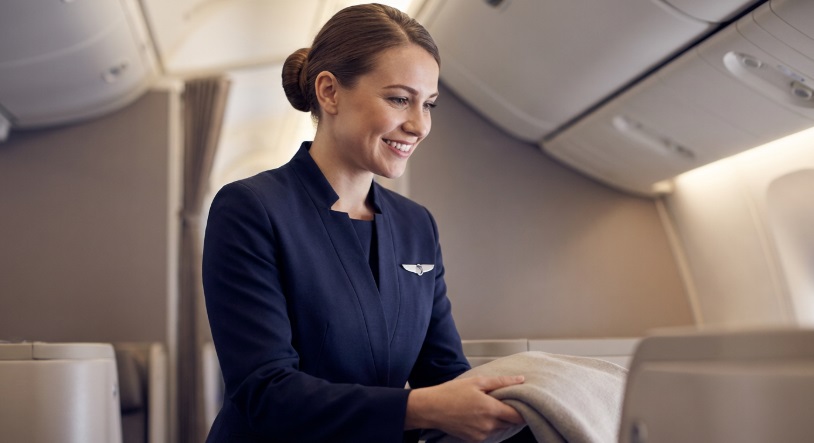
Do you watch the flight attendants constantly, trying to read their faces for signs of danger?
"If they look calm, I'm safe. If they look worried, something's wrong."
Here's the problem: Flight attendants are human beings with their own lives, problems, and emotions.
Maybe she just had an argument with her partner. Maybe he's worried about his sick parent. Maybe she's exhausted from working three flights in a row. Maybe he's dealing with a rude passenger in row 12.
None of this has anything to do with flight safety.
But your anxious brain doesn't know that. It scans their faces looking for confirmation of danger. And if it finds a frown or worried look (which humans have for a thousand reasons), it concludes: "See? Even THEY're worried!"
The truth? Flight attendants are trained to handle emergencies calmly. If there was a real problem, you'd know through clear communication, not through facial expressions.
Stop making their faces your safety barometer. You're reading signals that aren't there.
In Short
Do you watch flight attendants' faces for signs of danger? Here's why that strategy backfires.
Alex brings a unique dual perspective to phobia.aero, blending 31 years of deep cockpit knowledge with 18 years of specialized experience helping over 16,000 individuals overcome aerophobia. Trained in psychology, Alex utilizes evidence-based tools like EMDR, CBT, and Somatic Experiencing to address the root causes of flying phobia and turbulence fear. By focusing on nervous system regulation, Alex provides clients with the practical strategies needed to manage panic attacks on planes and find lasting relief from flight anxiety. This comprehensive approach to aerophobia therapy ensures that those struggling with an airplane phobia can finally reclaim their freedom to travel without a lingering fear of flying.