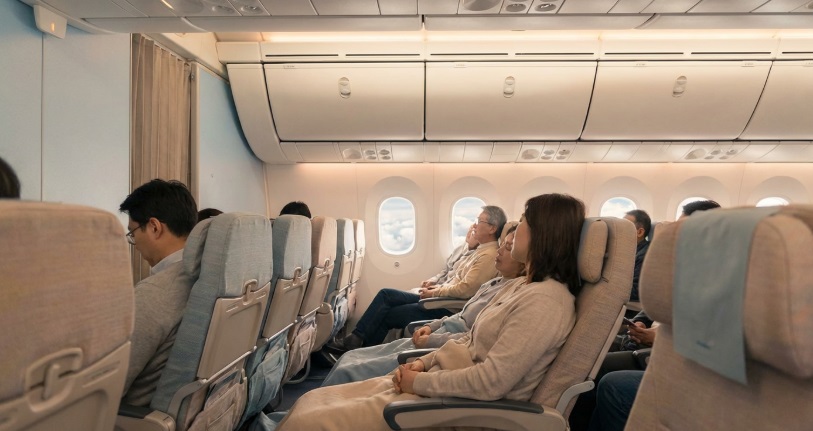
Some cannot tolerate loneliness on the plane, others become calmer only if no relatives are nearby. The reason depends on the nature of childhood trauma.
People with fear of flying are divided into 2 categories: some cannot tolerate loneliness on the plane, others become calmer only if no one from their relatives is nearby. It all depends on the nature of the childhood trauma.
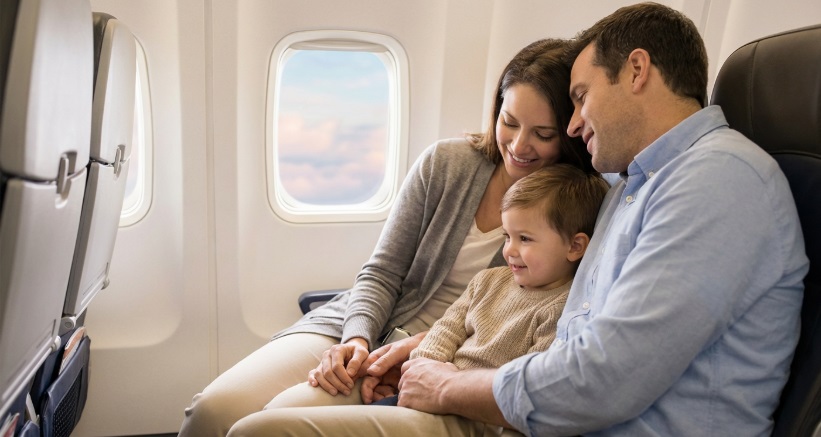
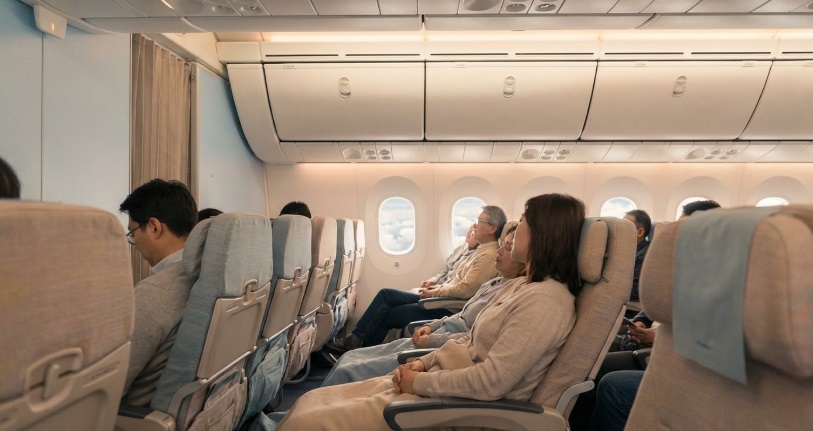
If a person's feelings were devalued—shamed, blamed for emotions—then they will be more comfortable on the plane alone. But there are also people for whom it's extremely important to fly with colleagues, friends, or family. In their childhood, they probably felt abandoned, forsaken, lonely.
The goal of our courses is to make every flight a regular phenomenon for you. No matter if you fly alone or with company.
In Short
Some cannot tolerate loneliness on the plane, others become calmer only if no relatives are nearby. The reason depends on the nature of childhood trauma.
The phobia.aero team consists of psychology and trauma therapy specialists dedicated to helping passengers permanently overcome fear of flying through evidence-based methodologies. By focusing on nervous system regulation and somatic experiencing, their approach addresses the physiological root causes of aerophobia rather than just masking symptoms. With over 16,000 success stories, the team integrates a unique pilot perspective to provide technical clarity alongside clinical flight fear treatment. This holistic strategy ensures that parents and children alike can improve their flight comfort and navigate the skies with newfound confidence and calm.