A Ground Creature in the Sky
A human is a ground creature. For millions of years we've been moving in only two dimensions.
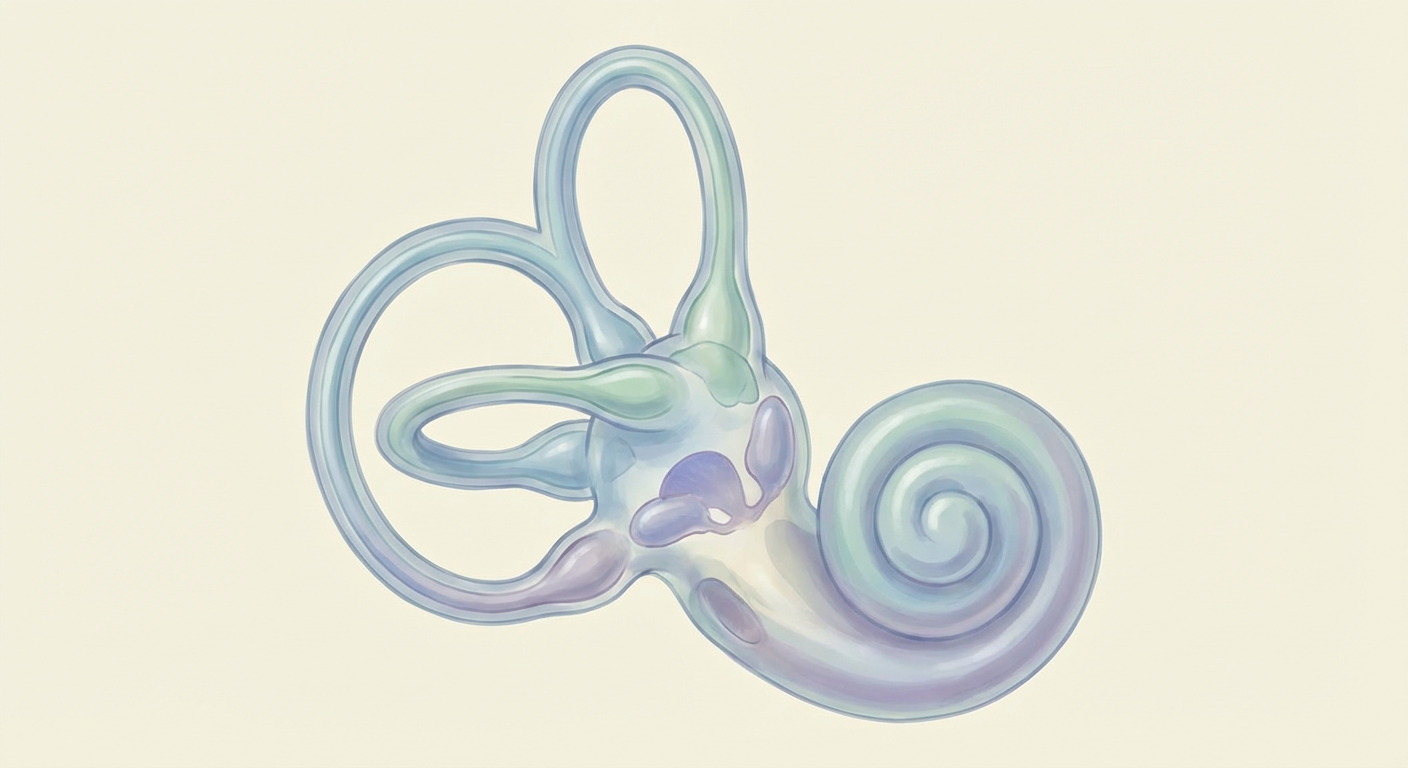
Our vestibular system has only three canals and can adequately track the body's position in space in 3 geometrical planes — leaning sideways, leaning back and forth and rotation left and right.
Flying is New for Our Bodies
But in a flight, there are 6 geometrical planes. Moving by height appeared at the dawn of aviation, just 120 years ago. Flying is an absolutely new phenomenon for humans.
No wonder our vestibular system cannot handle that. It doesn't know what angular acceleration, vertical speed and moving in 3 dimensions and in 6 planes mean. That's why the vestibular system reads many normal processes incorrectly.
The "Falling" Illusion
Here's an example: Up to the height of 1500 ft the plane actively climbs up. After that, the pilots reduce power and the climbing speed slows down.
At this moment there's an impression that the plane falls down!
If we can trust life, we stay relatively calm. But if not, such "falling" is a trigger that activates the fear system, up to a panic attack. It seems to us that we are falling down and we need to do something right now, hold the armrests tight or run away to survive. And as running away is impossible, the panic gets worse.
The Data Tells a Different Story
At the same moment, the flight radar data shows no falling down. We keep flying just like we did before. Our vestibular system simply made a mistake. We climbed a bit faster before, now we climb a bit slower.
The vertical speed has changed, which our vestibular system cannot track correctly. In the flight, there are a total of 6 such vestibular system mistakes, which we analyze during the courses.
Forewarned is forearmed. This knowledge makes its contribution to the work of getting rid of fear of flying, though the basis is of course the work with psyche, not with unawareness.