Why your nervous system snaps so easily in airports—and how widening your Window of Tolerance is the real goal of therapy.
The River of Life
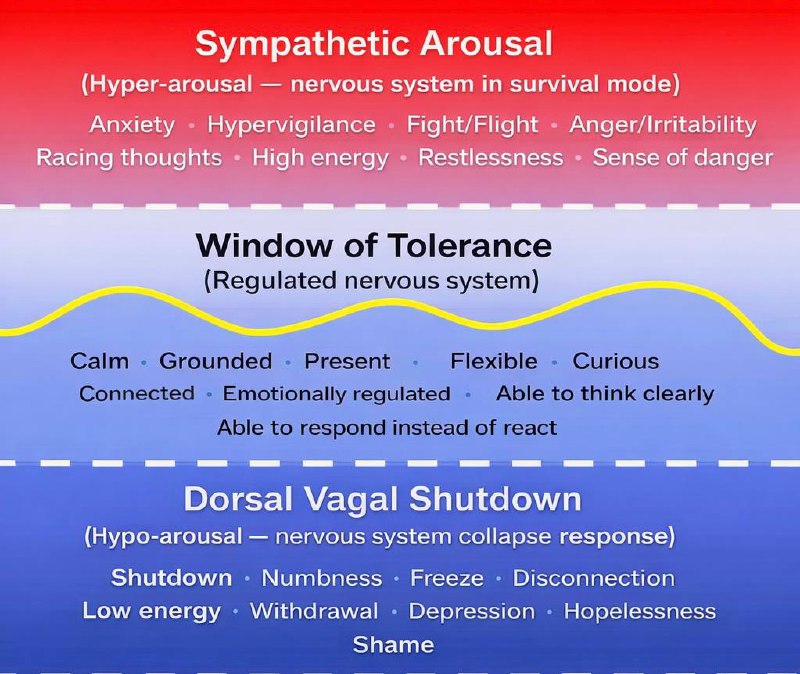
Imagine your nervous system is a river. On one bank, you have chaos (hyper-arousal, panic, anxiety). On the other bank, you have rigidity (depression, freeze, shutdown). In the middle, there is the Window of Tolerance. This is where you function best.
For most people with anxiety or a fear of flying, this window is incredibly narrow. You might have been born with a sensitive system, or perhaps early childhood experiences narrowed it.
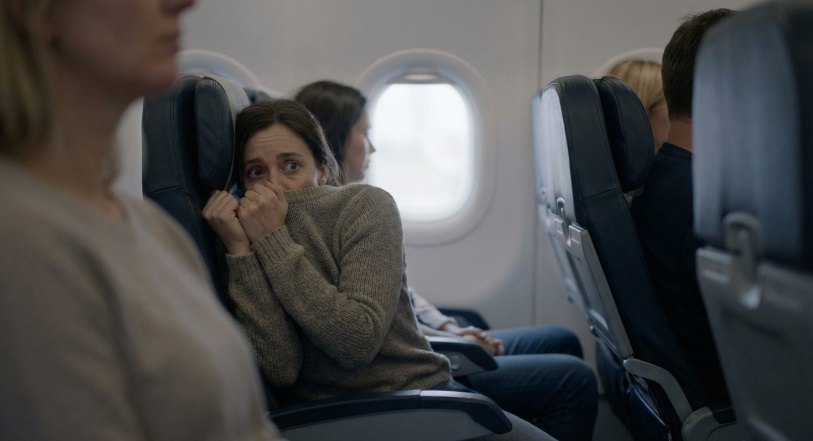
Furthermore, you likely live your life with your "gas pedal" already pressed halfway down (chronic low-level stress). When you enter an airport, you don't need a catastrophe to push you out of your window of tolerance; you only need a tiny trigger—a smell, a sound, or a stern look from a flight attendant.
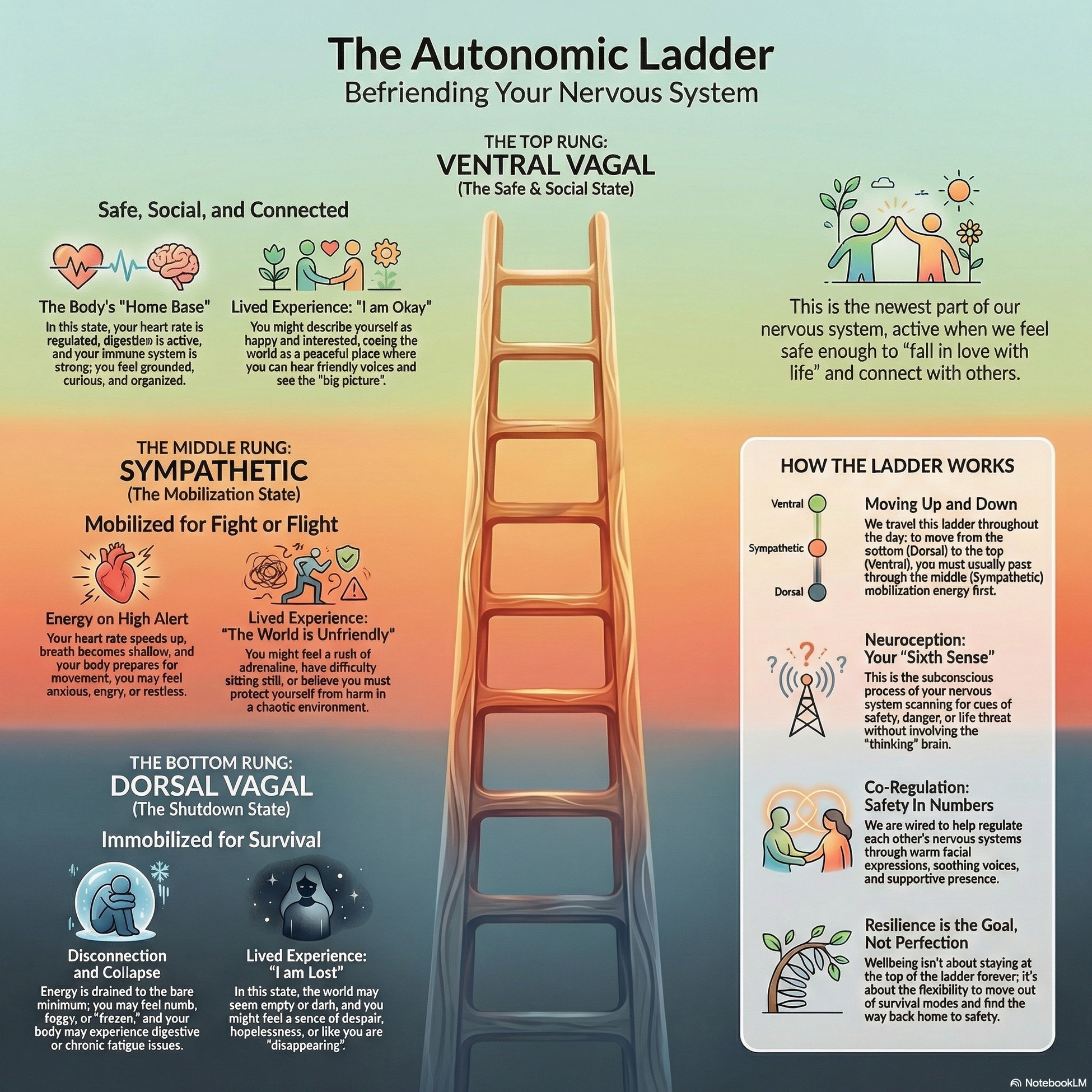
Once you are out of the window, you are no longer integrated. You are in survival mode.
The goal of therapy is not just to stop fearing planes, but to widen this window so you can handle life's turbulence.
In Short
Why your nervous system snaps so easily in airports—and how widening your Window of Tolerance is the real goal of therapy.
The phobia.aero specialist team bridges the gap between 31 years of commercial aviation safety expertise and 18 years of trauma-informed flight fear treatment. Having supported over 16,000 clients, they specialize in helping the nervous flyer navigate the window of tolerance through evidence-based modalities like somatic experiencing to prevent panic attacks on planes. As developers of the SkyGuru app, their multidisciplinary approach provides a digital flight companion for real-time in-flight support and long-term recovery from aviophobia. Whether addressing deep-seated flying phobia or clarifying technical maneuvers, their curriculum is the gold standard for those ready to overcome fear of flying and regain control in the cabin.