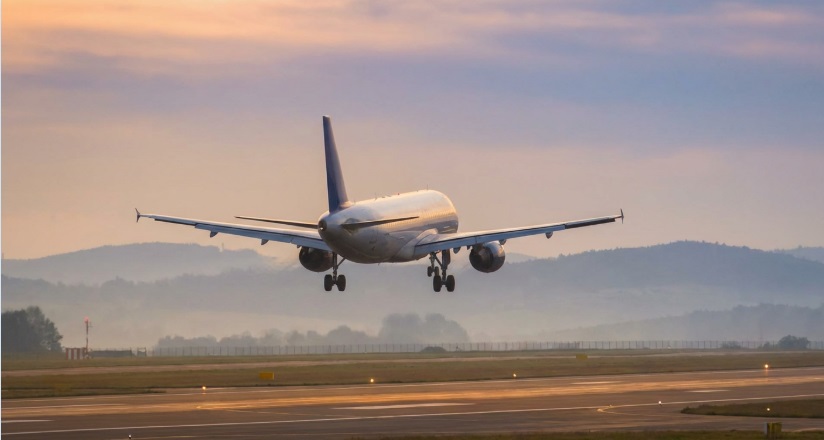
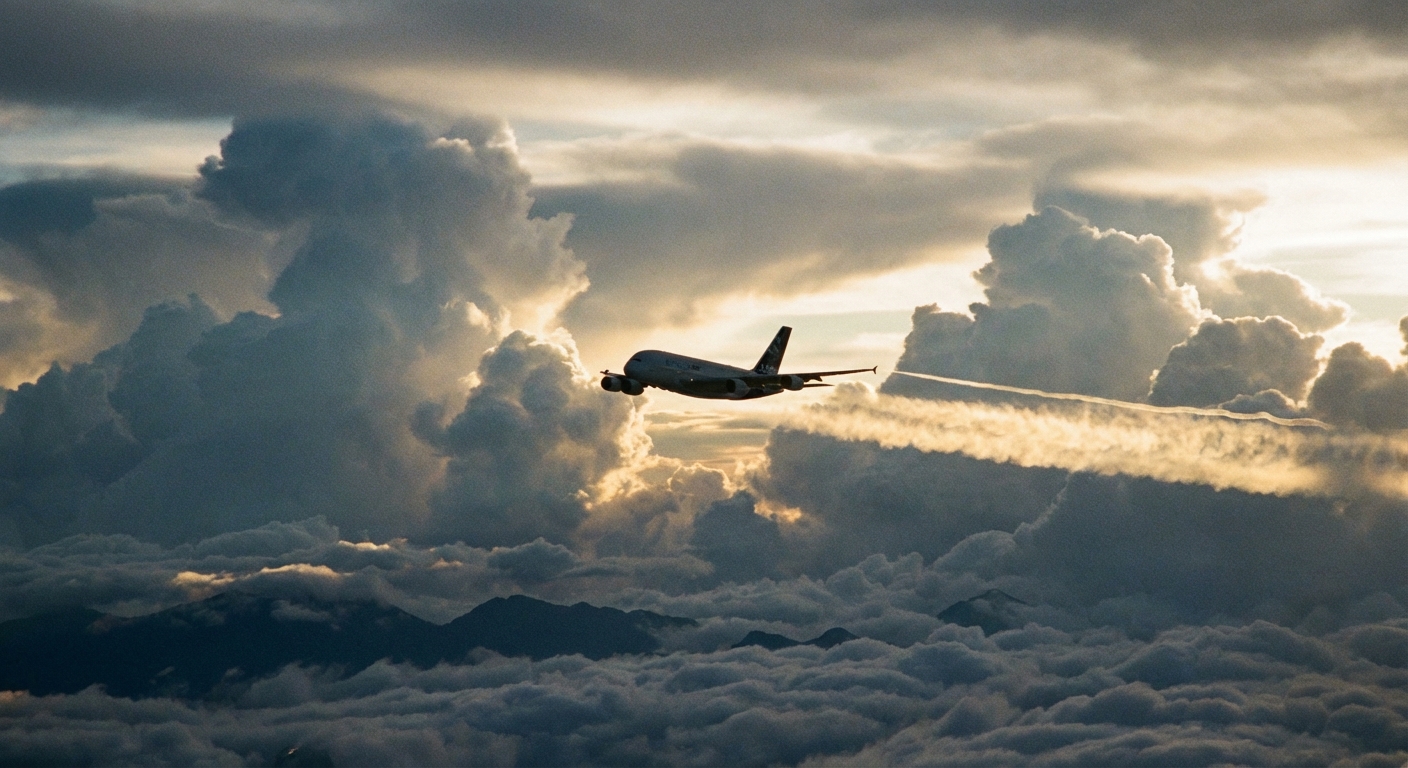
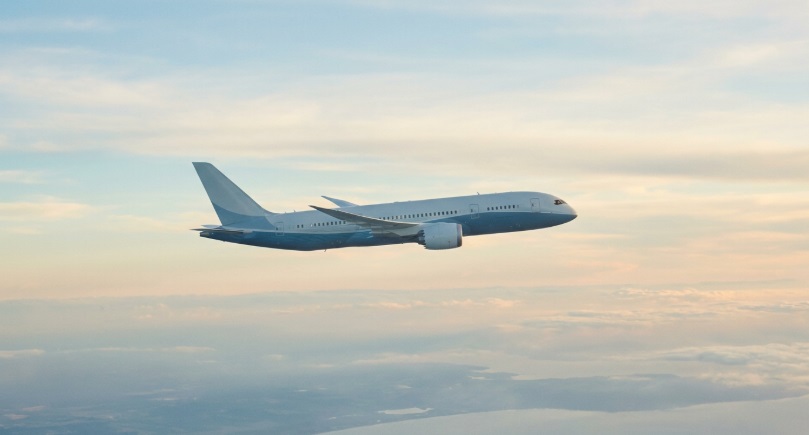
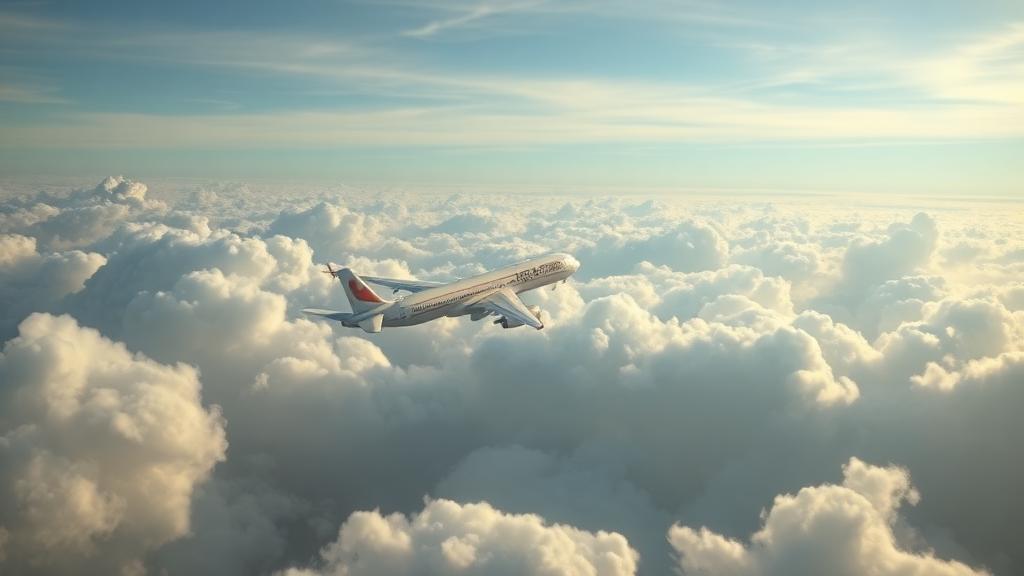
Why climbing and descending often feels bumpy, and how pilots navigate through different wind layers.
Why Climbing and Descending Can Feel Bumpy
This phenomenon is associated with the fact that there are different wind forces (speed and direction) at various stages of the flight.
For example, at an altitude of 25,000 feet, there's one wind force, at 27,000 feet, it's different, and at 29,000 feet, it's yet another.
Navigating Wind Layers
Naturally, when the aircraft ascends or descends, it encounters varying wind speeds and directions during the flight, creating some turbulence.
During the flight, pilots receive real-time information and make the best decisions regarding the flight route or altitude to avoid turbulent zones.
A Normal Part of Every Flight
This type of turbulence is completely normal and expected by pilots. The aircraft is designed to handle these transitions smoothly, and pilots are trained to manage altitude changes efficiently.
In Short
Why climbing and descending often feels bumpy, and how pilots navigate through different wind layers.
The phobia.aero expert team brings together decades of specialized aviation and psychology expertise, having successfully supported over 16,000 individuals in overcoming aviophobia and persistent flight anxiety. By integrating evidence-based protocols such as CBT and EMDR therapy with advanced nervous system regulation techniques like Somatic Experiencing, our specialists provide comprehensive in-flight support tailored for the nervous flyer. Whether you struggle with takeoff anxiety or a paralyzing turbulence fear, our approach focuses on enhancing flight comfort and confidence through a deep understanding of aviation safety. This multidisciplinary framework ensures that every traveler can navigate the skies with a calm mind and a regulated body.