Understanding the crucial difference between feeling unsafe and actually being in danger during a flight.
A Thought Experiment
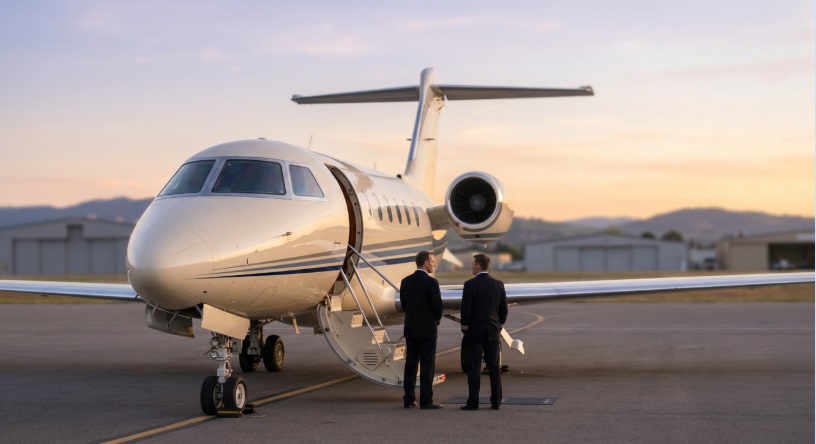
Imagine that you are flying on a private plane that belongs to you personally. Your pilots are ready to fulfill your every wish.
You find yourself in an area of turbulence. Because you do not feel safe in turbulence you ask the pilot to change altitude in order to find calmer air.
The Hidden Trade-Off
Suppose there is calmer air 3 km above your altitude. But the headwind there is 150 km/h stronger than at your turbulent altitude.
Such a strong headwind means +45 minutes to travel time. That's exactly the excessive amount of fuel you have on board. The weather at your destination airport is such that you may well need to make a second landing approach.
Safe Feeling vs. Actual Safety
If the pilot agrees to gain altitude and fly with a strong headwind, you will feel safe, because the frightening (but safe) turbulence is over.
However, in fact, you will be in danger, because you may simply not have enough fuel if you need to make a second circle to land.
If you stay on your flight level, you will be safe. But, because of fear of flying, you will not feel safe.
The Key Insight
This example shows that a Sense of safety is not the same as safety.
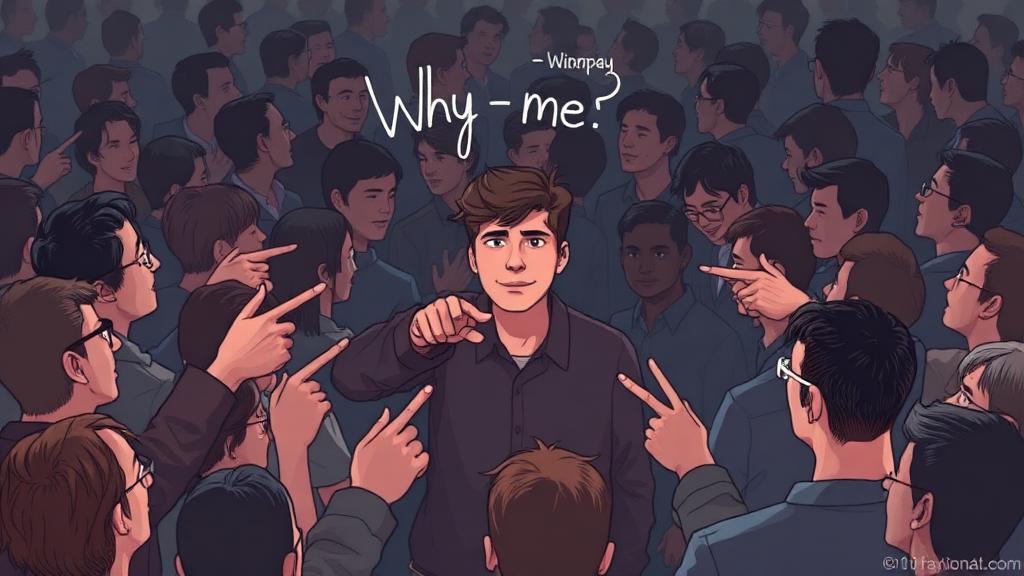
Conversely, a Threat Feeling does not mean that you are in real danger.
Think about this on your next flight, because with fear of flying we do not know how to separate the threat from the feeling of threat. The absence of danger still doesn't necessarily mean a feeling of safety.
In Short
Understanding the crucial difference between feeling unsafe and actually being in danger during a flight.
The phobia.aero specialist team bridges the gap between technical cockpit knowledge and advanced psychological intervention, drawing on 31 years of commercial aviation expertise and 18 years of trauma therapy. Having supported over 16,000 clients, the team utilizes somatic experiencing and evidence-based modalities to address the root causes of aerophobia therapy needs. Their multidisciplinary approach focuses on nervous system regulation, helping passengers differentiate between a perceived threat feeling and actual safety during moments of takeoff anxiety. By integrating deep understanding of the autonomic nervous system with real-world in-flight support, they provide a comprehensive path for overcoming a debilitating fear of flying. This unique fusion of flight deck experience and aerophobia recovery specialized training ensures travelers feel grounded, even when they are miles above the earth.