You can't lose what you never had. We control almost nothing in life, yet most of us are fine with this.
"I lose control on a plane."
Let me stop you right there. You can't lose what you never had.
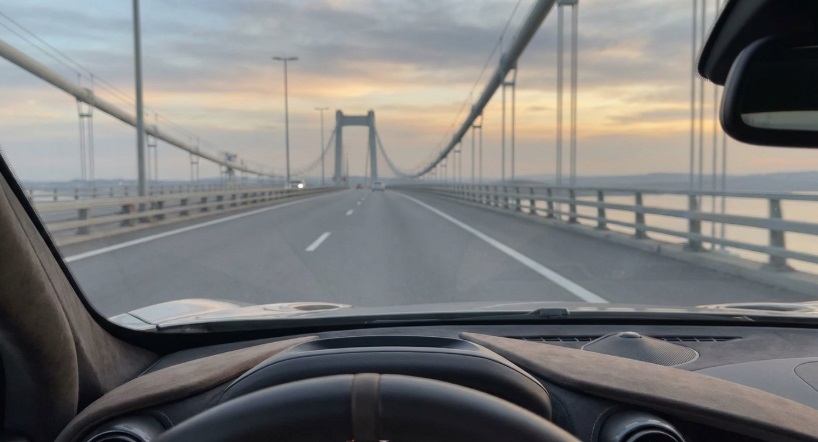
Think about it: Can you control the engineer who designed the bridge you're driving over? The bacteria in your body? The weather? Other drivers? Your own heartbeat?
We control almost NOTHING in life. Yet most of us are fine with this. We drive, we walk across bridges, we go about our day.
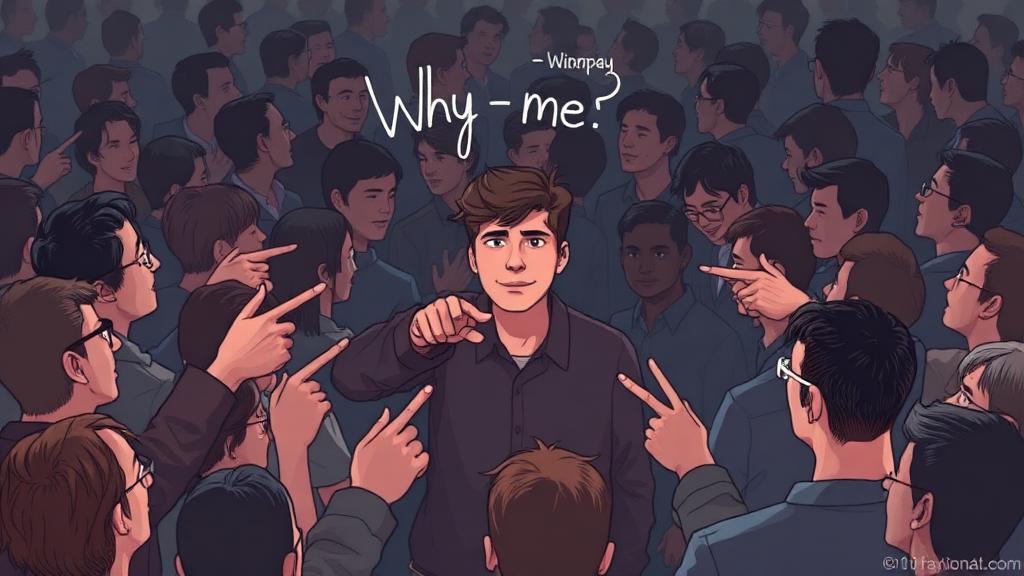
But about 30% of people find being "out of control" unbearable. Why? Because early in life, their brain learned: being controlled by others equals danger.
The solution their psyche came up with? Live in the illusion of control. Control everything and everyone. And when that illusion isn't available (like on an airplane), panic sets in.
The truth? You don't lose control on a plane. You only lose the ILLUSION of control. And that's not the same thing.
Real freedom comes from accepting what you never controlled in the first place.
In Short
You can't lose what you never had. We control almost nothing in life, yet most of us are fine with this.
Trained in psychology and trauma therapy (EMDR, Somatic Experiencing)
Founder of phobia.aero & SkyGuru App
Alex Gervash leverages 31 years of aviation experience and 18 years as a fear of flying specialist to help individuals overcome the paralyzing grip of aviophobia. By integrating polyvagal theory with evidence-based modalities like EMDR and Somatic Experiencing, he addresses the root physiological causes of flight anxiety and panic attacks on planes. Having guided over 16,000 success stories, Alex is a recognized authority on transforming the nervous flyer experience through his comprehensive platform, phobia.aero. His unique methodology provides lasting relief for those struggling with turbulence fear or a deep-seated flying phobia, offering a bridge from chronic aviation anxiety to emotional regulation in the cockpit and beyond.