Aviation Safety: Everything You Need to Know
Reviewed by Capt. Alex Gervash, Commercial Pilot and Fear of Flying Therapist. Last updated October 2026. Editorial standards.
The facts, systems, and engineering behind the world's safest form of transport
Aviation is the most regulated and safest mode of transportation ever created. This guide covers the multi-layered safety systems, redundancy engineering, weather management, and human factors protocols that make flying extraordinarily safe.
Key Takeaways
- 1Commercial aviation is the safest form of transportation per mile traveled.
- 2Every aircraft system has at least one backup. Most have two or three.
- 3The Swiss cheese safety model ensures no single failure can cause an accident.
- 4Weather is actively managed. Pilots never fly into conditions they cannot handle.
- 5Understanding real safety data reduces the cognitive distortions that fuel fear.
How safe commercial flying actually is
Per mile traveled, commercial aviation is about 100 times safer than driving. The U.S. National Safety Council puts the lifetime odds of dying in a motor vehicle accident at roughly 1 in 93. The lifetime odds for a commercial airliner accident: about 1 in 11 million. Driving to the airport was the dangerous part of the trip.
That number is not luck. It is layers.
Every commercial airliner has at least one backup for every critical system. Most have two or three. Two engines, redundant hydraulics, three independent flight-control computers, two pilots cross-checking each other, ground controllers, weather routing, continuous engineering monitoring of every flight. Aviation safety people call this the Swiss-cheese model. Picture slices of Swiss cheese stacked together. Each slice is a layer of defense. Each slice has holes. The holes almost never line up. For an accident, every hole has to align at the same instant.
The aircraft itself is built far beyond what it will ever face. FAA Part 25 certification requires airliners to withstand 1.5 times the worst aerodynamic load expected in service. Wings flex by design. A fully loaded 737 can take off, climb, divert and land safely on one engine. The certification standard, called ETOPS, requires it. Engines, by the way, fail rarely. The current in-flight engine shutdown rate is about one per 250,000 flight hours. Pilots train for engine failures in the simulator every six months anyway.
And no, pilots do not fly through thunderstorms. We route around them, using onboard radar, ground radar, and forecasts from the FAA Aviation Weather Center. Severe weather is identified hours before we ever get close. The articles below walk through the engineering, the procedures, and the people behind those numbers.
Frequently Asked Questions
How safe is commercial flying compared to driving?
Per mile traveled, commercial aviation is roughly 100 times safer than driving. The U.S. National Safety Council puts the lifetime odds of a fatal motor vehicle accident at about 1 in 93, versus roughly 1 in 11 million for a commercial airliner. Getting to the airport was the dangerous part of the trip.
What is the Swiss-cheese safety model?
It is the model behind modern aviation safety. Picture slices of Swiss cheese stacked together. Each slice is a layer of defense, engineering, training, procedures, redundancy, regulation, weather routing. Each slice has holes. The holes almost never line up. For an accident to happen, holes in every slice would have to align at the same instant. This is why a single failure almost never causes an accident.
What happens if one engine fails?
Every commercial twin-engine airliner is certified to take off, climb to a safe altitude, fly to an alternate airport, and land on one engine. This is not a hypothetical. The certification standard, ETOPS, requires it. Engines also rarely fail. The current in-flight engine shutdown rate is around one per 250,000 flight hours. Pilots train for engine-out procedures in the simulator every six months.
Do pilots fly through storms?
No. Pilots and dispatchers actively route around thunderstorms using onboard weather radar, ground-based weather radar, and forecast products from the FAA Aviation Weather Center. Lightning strikes do happen sometimes and aircraft are designed to handle them with no damage. Severe weather is identified and avoided long before the airplane gets anywhere near it.
Can a wing fall off?
No. Wings are designed to flex. In certification, they are bent up to 15+ meters upward before breaking. A wing is not a single rigid piece. It is an engineered composite of spars, ribs, skin, and fuel tanks, built to bend with load. In service, even the worst turbulence flexes the wing tip a few feet at most. There is no recorded case of a modern commercial airliner losing a wing in normal flight.
What is the most dangerous part of a flight?
"Most dangerous" is a relative term in a very safe activity. Approach and landing account for the largest share of incidents, but the share is still vanishingly small in absolute terms. Takeoff feels more dangerous than it actually is. Cruise is by far the calmest from a safety standpoint, with the lowest accident rate per hour.
Sources & References
Claims in this guide are drawn from the following primary sources. Where a number, statistic, or safety claim appears above, it is traceable to one of these references.
- Annual Safety Report 2024. International Air Transport Association (IATA), . www.iata.org/en/programs/safety
- Part 25 (Airworthiness Standards: Transport Category Airplanes). U.S. Federal Aviation Administration. www.ecfr.gov/current/title-14/chapter-I/subchapter-C/part-25
- Injury Facts: Odds of Dying. U.S. National Safety Council. injuryfacts.nsc.org/all-injuries/preventable-death-overview/odds-of-dying
- Statistical Summary of Commercial Jet Airplane Accidents. Boeing Commercial Airplanes. www.boeing.com/company/about-bca
Articles in This Guide
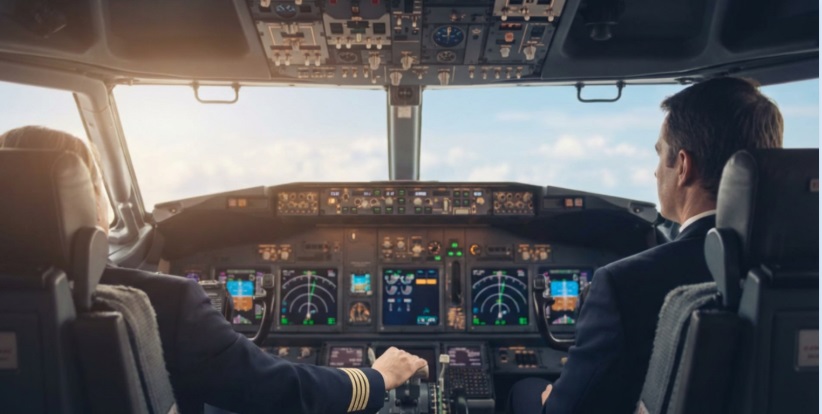 1📖 Long Read
What Your Pilot Wants You to Know About Fear of Flying
Pilots know you are afraid. There is a huge gap between what passengers fear and what pilots experience. A pilot bridges that gap with the perspective from the cockpit.
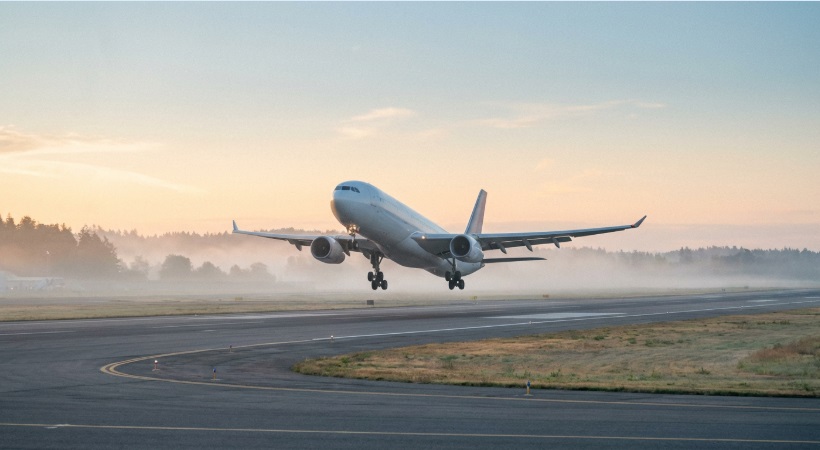 2📖 Long Read
Every Sound on an Airplane Explained — A Fearful Flier's Audio Guide
Your nervous system is a prediction machine. When a sound is unexpected, it becomes a potential threat. This guide walks you through every major sound during a commercial flight — from boarding to landing.
 3
3Human Fallibility vs. The Swiss Cheese Safety Model
Aviation is the only industry in the world that is built entirely around the assumption that humans will make mistakes.
 4
4Redundancy: Why Technical Issues Don't Mean Crashes
Your mind says if one thing breaks the whole plane comes down. The reality is that the aircraft is an engineering fortress built on redundancy.
 5
5The Myth of Certain Death: Survival Stats & The Doomed Flight
Your mind tells you that if anything goes wrong it is all over. The data does not support this story of inevitable doom.
 6
6Reframing Altitude: Why Height Is Your Friend
Looking out the window at the ground 10 kilometers below can be terrifying. In aviation, altitude is exactly the opposite of danger.
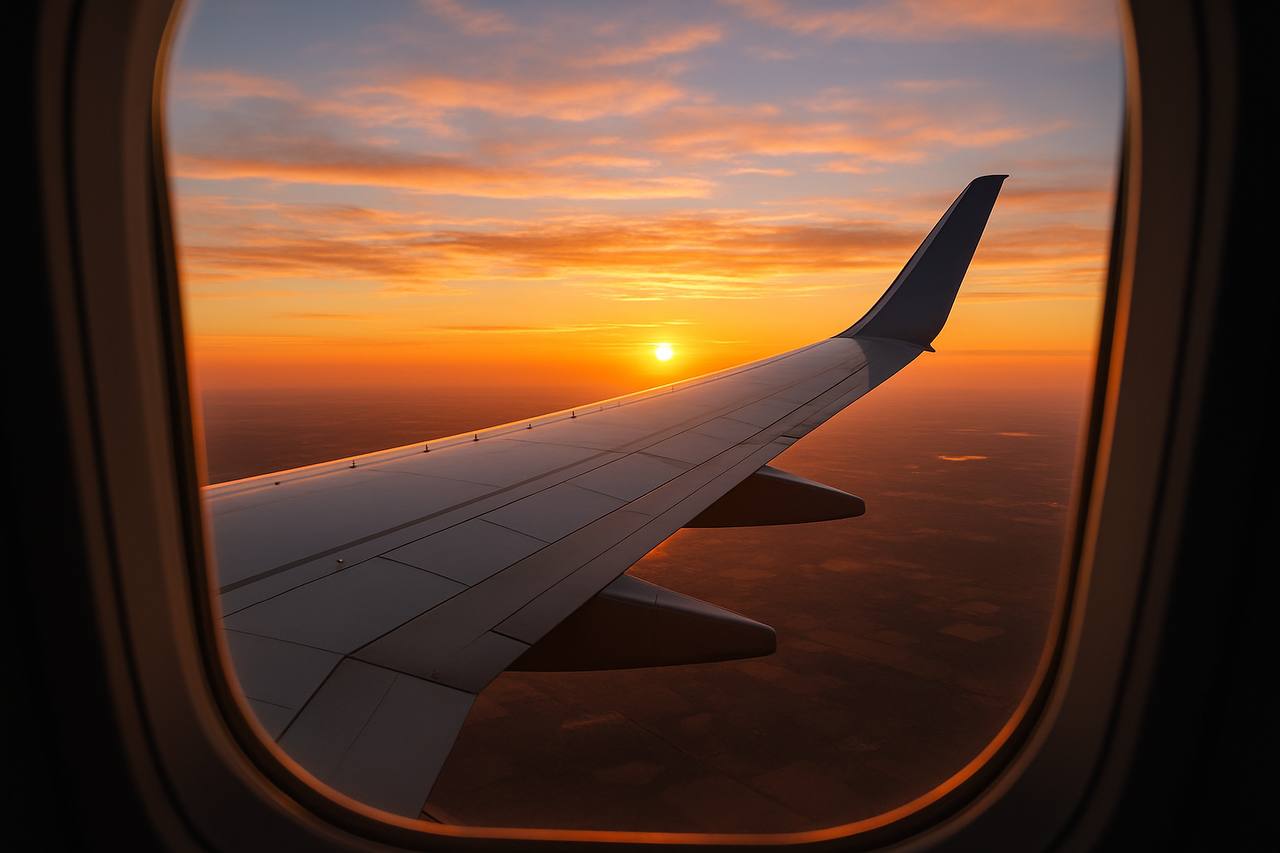 7
7The Physics of Flight: Why Planes Don't Want to Fall
There is a deep fear that the plane is reluctant to fly. Physics tells a different story—the plane loves to fly and wants to stay up.
 8
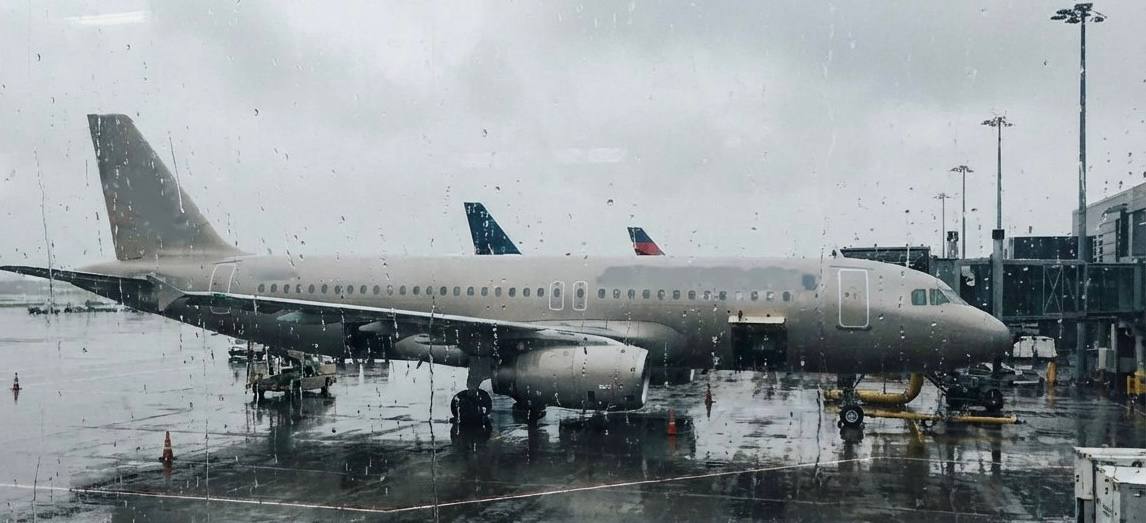
8Why Weather Is Managed, Not Unpredictable
Many fearful flyers watch the sky with suspicion. Aviation does not guess about the weather—we have turned meteorology into a precise science.
 9
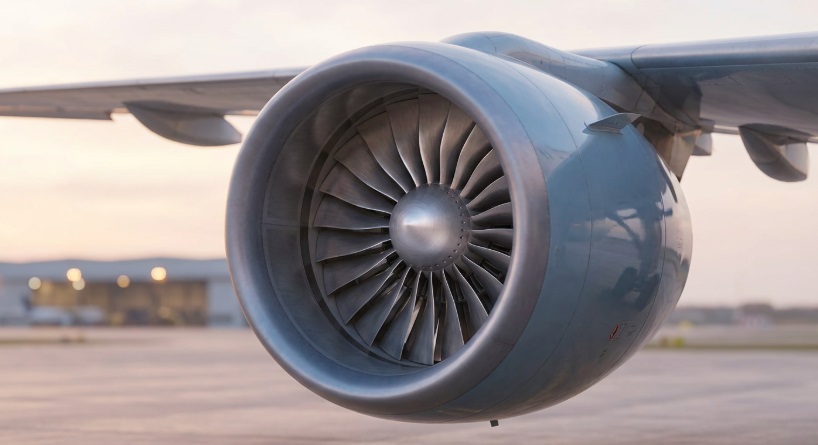
9Stop Looking for Anomalies in the Engine Noise
Listening for anomalies in engine noise feels protective, but it's actually feeding your fear. Here's what to do instead.
 10
10The Truth About Flight Attendant Faces
Do you watch flight attendants' faces for signs of danger? Here's why that strategy backfires.
 11
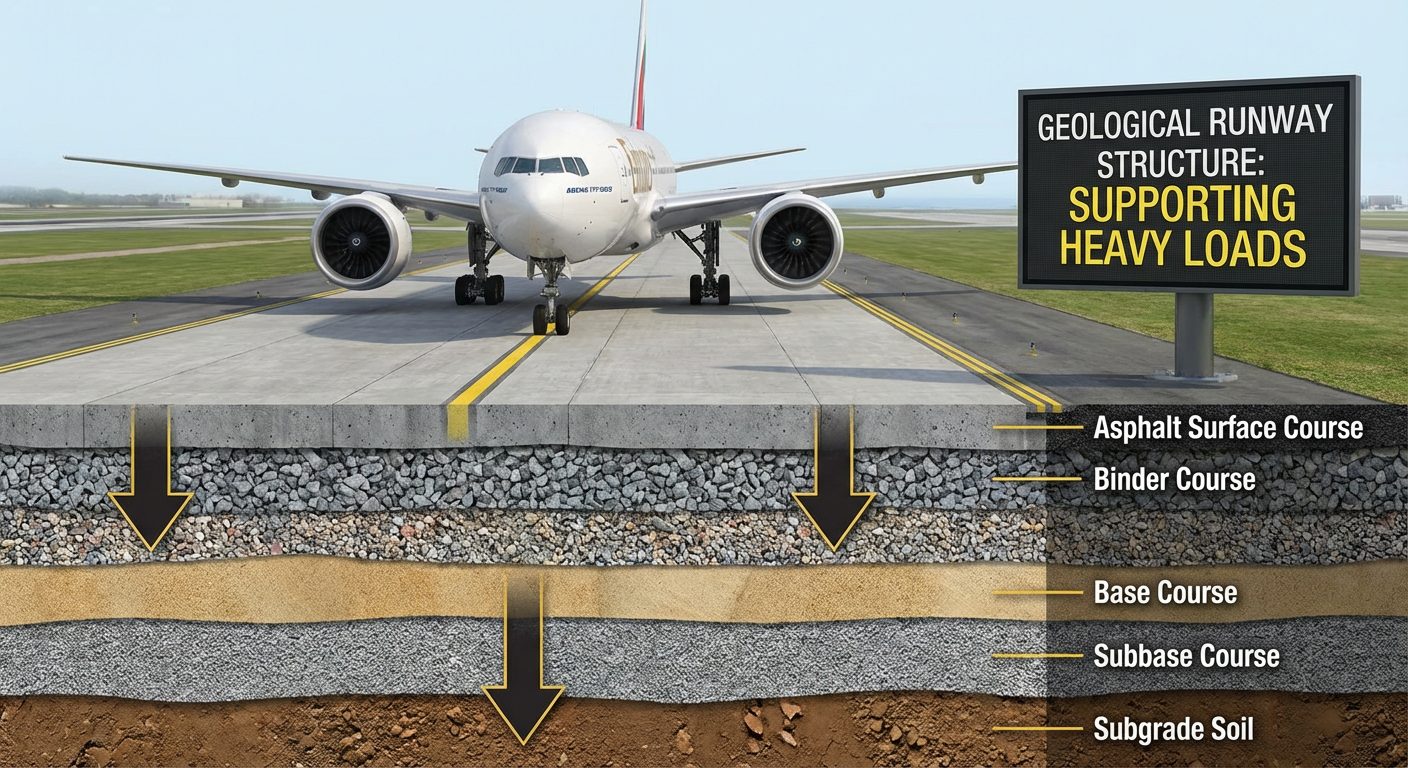
11When the Airplane Feels 'Unstable' in the Air
A Boeing 777's maximum takeoff weight is almost 600 tons. The same weight that requires meters of concrete on the ground is held effortlessly by lift.
 12
12The Cult of Safety: Why Aviation Doesn't Need Traffic Cops
Understanding aviation's self-regulating safety culture and what it reveals about anxious thinking patterns.
 13
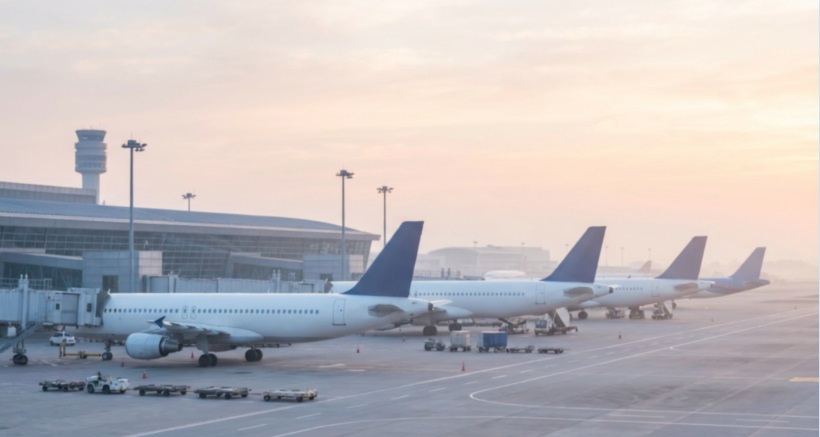
13What Does Aviation Do to Ensure Flight Safety?
The cult of safety: how the entire aviation industry is built around one goal - keeping you safe.
 14
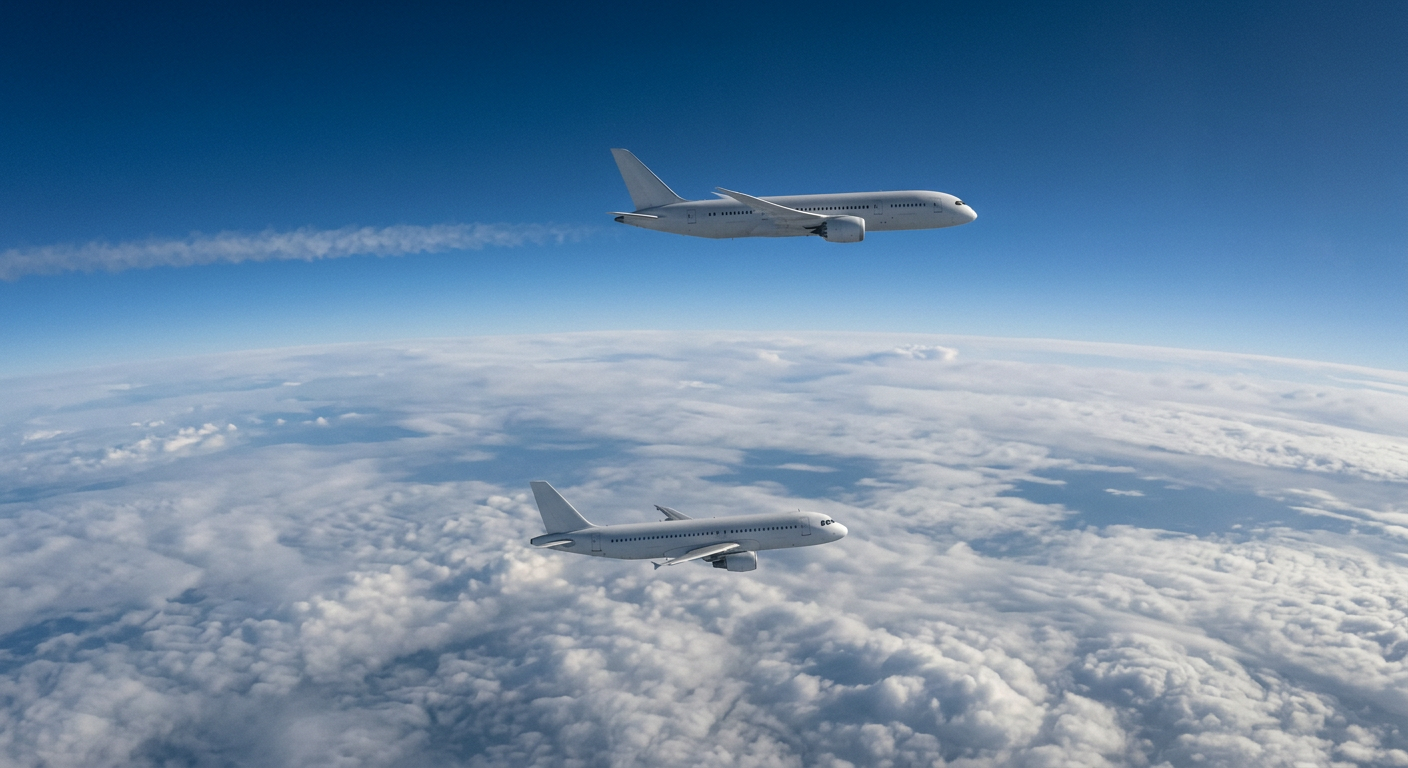
14Why Airplanes Fly "Close" to Each Other
Understanding the sophisticated systems that keep aircraft safely separated, from TCAS to flight level rules.
 15
15The Myth of 100% Safety (And Why It Matters)
Nothing is 100% safe. So why do we demand absolute safety from airplanes?
 16
16How does a plane fly?
Understanding the physics behind flight helps reduce fear. Learn how wings generate lift and why planes are designed to stay airborne naturally.
 17
17Strength through flexibility
Modern aircraft are designed to flex and bend. This flexibility is not a weakness—it's an engineering feature that makes planes safer and more resilient.
About this resource
phobia.aero Expert Team
Aviation & Psychology Specialists
- Psychology and trauma therapy professionals
- Commercial Aviation Professionals
- Fear of Flying Treatment Specialists
The phobia.aero expert team combines decades of aviation expertise with evidence-based psychological treatment methods to help people overcome fear of flying. Our multidisciplinary approach addresses the root causes of aerophobia, flight anxiety, and panic attacks through proven techniques including Somatic Experiencing®, EMDR, and autonomic nervous system regulation. With a collective track record of treating 16,000+ cases, our specialists have developed trusted resources for nervous flyers worldwide.