Takeoff Fear: Why It Happens and How to Cope
Reviewed by Capt. Alex Gervash, Commercial Pilot and Fear of Flying Therapist. Last updated October 2026. Editorial standards.
The science of takeoff and why your body reacts the way it does
Takeoff is the most anxiety-provoking moment for many fearful flyers. This guide explains the physics and safety of takeoff, why your vestibular system misinterprets acceleration, and how your brain goes offline during this critical phase.
Key Takeaways
- 1Takeoff is the most anxiety-provoking moment, but one of the safest phases of flight.
- 2Your vestibular system misinterprets acceleration as falling. This is a biological illusion.
- 3The brain's prefrontal cortex can temporarily go offline during takeoff, reducing rational thought.
- 4Understanding the physics of takeoff removes much of the mystery that feeds fear.
Why takeoff feels worse than it is
Takeoff feels like the most dangerous part of a flight. It is one of the safest.
Boeing's Statistical Summary of Commercial Jet Airplane Accidents puts most fatal events in the approach and landing phase, not the takeoff. Yet for an anxious passenger, takeoff is almost always the worst moment of the journey. There are three reasons, and they have nothing to do with the plane.
One. Your vestibular system, the inner-ear balance organ, misreads sustained forward acceleration as falling. The plane is climbing forward at a steep angle. Your inner ear briefly reads it as toppling backward. This is a biological illusion. Same mechanism that makes people queasy on amusement-park rides. Two. You can feel the engines at full thrust, hear the gear retract with a thunk, sense the nose pitch up. All unfamiliar inputs. The anxious brain catalogs each one as evidence of danger. Three. Under acute sympathetic activation, your prefrontal cortex, the rational override, can temporarily go offline. You are left with sensations and no logic.
From the cockpit it is the opposite picture. Takeoff is the most engineered, briefed, and protected phase of flight. Multiple decision speeds. V1, the point where we stop or we go. VR, when we rotate. V2, the safe single-engine climb speed. Each one has a plan, an alternate plan, and a redundant plan. The aircraft is watched more closely in those first 60 seconds than at any other moment of the flight.
The way through is shorter than you would think. Understand the physics. Know what each noise means. Slow your exhale before the roll even begins. Press your feet into the floor and your back into the seat during the roll. The body needs a "grounded" sensation to fight the falling illusion. The articles below walk through each phase of takeoff and offer practical tools you can rehearse at home.
Frequently Asked Questions
Is takeoff the most dangerous phase of flight?
No. Per Boeing's Statistical Summary of Commercial Jet Airplane Accidents, the takeoff and initial climb phase accounts for a small share of overall fatal accidents. Far smaller than approach and landing. Takeoff feels more dangerous because of the noise, the angle, the acceleration, and the speed. The actual risk is low. Cruise is the safest phase. Landing has the highest accident rate.
Why does my stomach drop during takeoff?
Because your inner ear's vestibular system briefly misreads sustained forward acceleration as falling. The aircraft is rotating nose-up and accelerating forward. Your inner ear interprets it as toppling backward. A biological illusion. Not a real motion. Once you reach a stable climb angle, the sensation passes. Same mechanism that makes people queasy on amusement-park rides.
What is V1 and why do pilots say it?
V1 is the decision speed during the takeoff roll. Below V1, the pilots can still abort the takeoff and stop on the remaining runway. Above V1, the aircraft is committed to flying. There is enough runway to take off, not enough to stop. The pilot in the pilot-monitoring role calls "V1" aloud so both pilots are aligned on the threshold. It is a sign of how rehearsed and protected this phase is. Not a sign of risk.
What is that loud noise just after takeoff?
Usually the landing gear retracting. There is a deep thunk and some hydraulic whine as the wheels fold up into the wings or belly. A few seconds later you may hear the engines reduce power to climb thrust. The noise level drops, which can feel like a loss of power but is not. Then the flaps gradually retract, which changes the airflow over the wings and can produce a brief shudder. All normal.
Why does the plane pitch up so much during takeoff?
Because climbing at 15 to 20 degrees nose-up is the most efficient and noise-friendly way to gain altitude. Aircraft are designed for it. Modern airliners can sustain even steeper climb angles if needed. The feeling of being pressed back into the seat is forward acceleration, not the airplane standing on its tail. The angle eases as soon as the aircraft reaches its initial cruise climb profile.
How can I calm my nervous system during takeoff?
Slow your exhale, make the out-breath longer than the in-breath, starting before push-back. This primes the vagus nerve into a calmer state. During the roll itself, press your feet firmly into the floor and your back into the seat. The body needs a felt sense of "grounded" to compete with the falling illusion. Stop fighting the sensations. Let them happen and pass. If you are prone to panic, rehearse a clear plan at home in advance. The middle of a takeoff roll is the worst time to learn one.
Sources & References
Claims in this guide are drawn from the following primary sources. Where a number, statistic, or safety claim appears above, it is traceable to one of these references.
- Statistical Summary of Commercial Jet Airplane Accidents, Worldwide Operations. Boeing Commercial Airplanes. www.boeing.com/company/about-bca
- Part 25 (Airworthiness Standards: Transport Category Airplanes). U.S. Federal Aviation Administration. www.ecfr.gov/current/title-14/chapter-I/subchapter-C/part-25
Articles in This Guide
 1
1Why is takeoff a difficult moment for a fearful person
Takeoff triggers anxiety for many fearful flyers. Discover the psychological reasons behind this and how understanding the process can help you feel safer.
 2
2Why Your Brain Goes Offline During Takeoff
According to Polyvagal Theory, when we perceive danger during flight, our thinking brain literally goes offline. Understanding which nervous system state you're in is the first step to climbing back to safety.
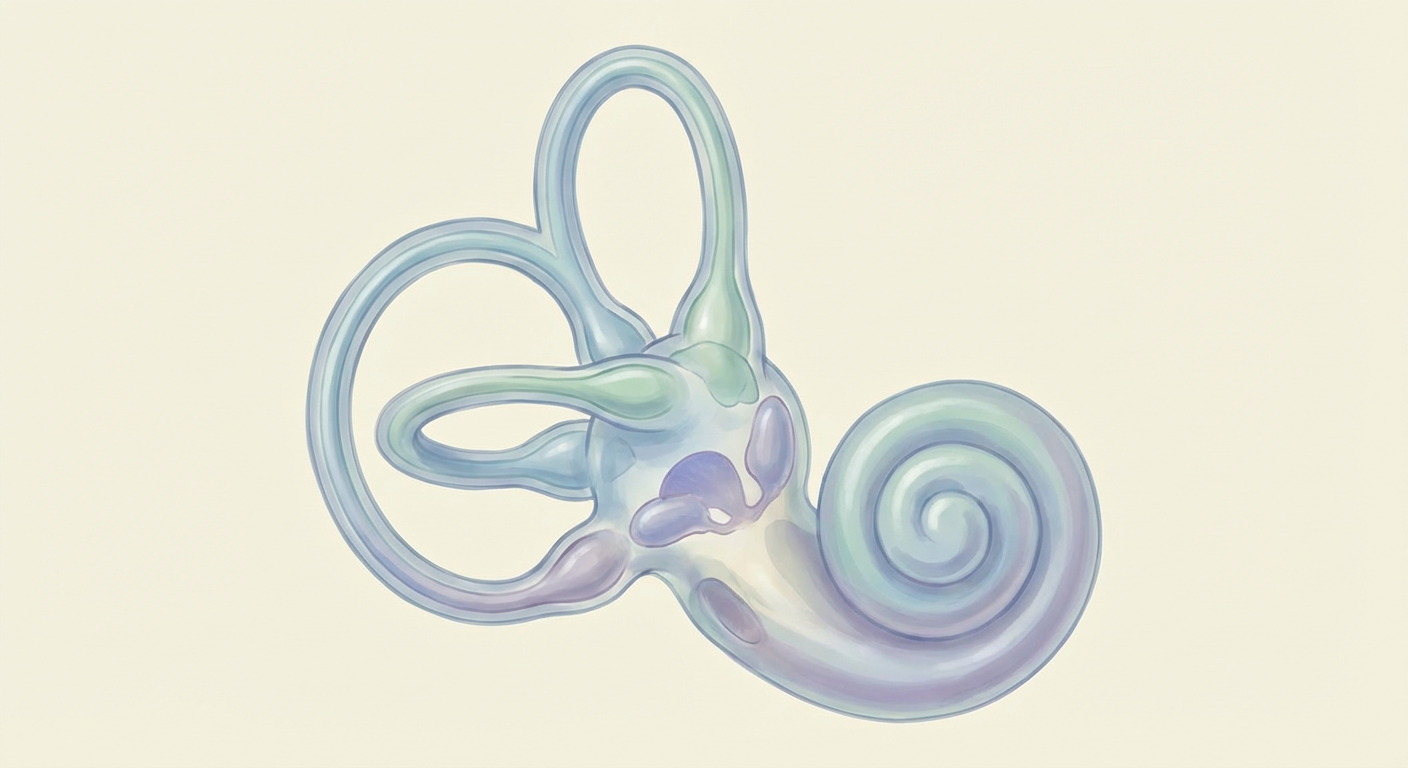 3
3The Vestibular System Doesn't Know We've Learned to Fly
Why your inner ear makes mistakes during flight and creates false sensations of falling or danger.
About the author
Alex Gervash
Pilot & Fear of Flying Specialist
- Commercial Pilot (31 years aviation experience)
- Trained in psychology and trauma therapy (EMDR, Somatic Experiencing)
- Founder of phobia.aero & SkyGuru App
Alex Gervash brings a unique perspective to treating fear of flying, combining 31 years of commercial aviation experience with deep expertise in psychology and trauma therapy. His approach to aerophobia integrates Somatic Experiencing®, EMDR therapy, and polyvagal theory with comprehensive aviation knowledge. Having personally helped over 16,000 individuals overcome flight anxiety, panic attacks on planes, and turbulence fear, Alex continues to support nervous flyers worldwide through the SkyGuru flight companion app used by 200,000+ users.