Panic Attacks on Planes: Complete Guide
Reviewed by Capt. Alex Gervash, Commercial Pilot and Fear of Flying Therapist. Last updated October 2026. Editorial standards.
Understanding, preventing, and managing panic attacks during flights
Panic attacks during flights are terrifying but not dangerous. This guide explains what happens in your body during a panic attack, why common coping strategies fail, and what actually works - based on modern trauma-informed therapy.
Key Takeaways
- 1Panic attacks during flights are terrifying but never medically dangerous.
- 2A panic attack is your nervous system firing a false alarm. It cannot harm you.
- 3Common coping strategies like fighting or suppressing panic often make it worse.
- 4Modern trauma-informed work teaches how to let panic pass without making it worse.
- 5Most people who have had a panic attack on a plane can learn to fly comfortably again.
What a panic attack on a plane actually is
A panic attack on a plane is a false-alarm surge of your autonomic nervous system. It feels life-threatening. It is medically harmless and it ends on its own.
- Duration. Peak intensity lasts 5 to 10 minutes. The full episode resolves within 20 minutes (American Psychiatric Association). The body cannot sustain peak alarm. It runs out of fuel.
- Prevalence. About 1 in 75 adults experience panic disorder over their lifetime. Mid-flight panic is common enough that cabin crew at most major airlines are trained to recognize and support it.
- What it is. A full sympathetic-nervous-system response fired with no real danger present. The sensations are real. The threat is not.
- What makes it worse. Fighting the sensations, holding the breath, trying to think your way out. The nervous system reads the fight as another threat.
- What actually works. Name it. Lengthen the exhale past the inhale. Ground through the feet. Between flights, trauma-informed work (EMDR, Somatic Experiencing) breaks the underlying pattern.
Heart pounding. Chest tight. Hands tingling. The certainty that you are dying or losing control, while strapped into seat 14C at 35,000 feet. It is awful. The panic itself cannot hurt you. Sit with that, even if your body cannot believe it yet.
The American Psychiatric Association is clear on this. A panic attack is your autonomic nervous system firing a full alarm response with no real danger present. It is a false positive. The sensations are real. The threat is not. And the body has built-in limits: the attack ends on its own, usually within 5 to 20 minutes. It cannot sustain peak alarm forever. It runs out of fuel.
You are also not alone in this. Roughly 1 in 75 adults will experience panic disorder at some point. Most flight attendants have been trained to handle a passenger having a panic attack mid-flight, because it happens often enough that the training is routine. You are part of a very large, very quiet club.
Here is the trap. The things that feel like they should work usually make it worse. Fighting the panic. Pushing it down. Trying to think your way out. The nervous system reads the fight as another threat and the alarm gets louder. The way out is the opposite: name what is happening, allow the sensations, lengthen the exhale, ground in something neutral like the feel of your feet on the floor. Modern trauma-informed work, EMDR or Somatic Experiencing, then addresses the underlying pattern between flights so the attacks lose their grip. Most clients who have had panic attacks on planes learn to fly comfortably again. Often without medication. The articles below show how.
Frequently Asked Questions
Can a panic attack on a plane actually hurt me?
No. A panic attack is the autonomic nervous system firing a full alarm response with no real danger present. The sensations are real. The threat is not. The American Psychiatric Association is clear on this. The body has built-in limits and the attack ends on its own, usually within 5 to 20 minutes.
How long does a panic attack last?
Peak intensity usually lasts 5 to 10 minutes. The full attack typically resolves within 20 minutes. The nervous system cannot sustain peak sympathetic activation indefinitely. It runs out of fuel. Knowing this in advance helps. If you can stay seated, lengthen your exhale, and stop fighting the sensations, the attack will pass on its own clock.
How common are panic attacks on flights?
Roughly 1 in 75 adults will experience panic disorder over their lifetime. A large share have had at least one episode mid-flight. Flight attendants at many airlines are specifically trained to recognize and support a passenger having a panic attack. You are not unusual. You are part of a very large quiet club.
What should I do when I feel a panic attack starting on a plane?
Name it. "This is panic, not danger." Lengthen your exhale, make it longer than the inhale. This physically shifts the vagus-nerve state. Ground in a neutral sensation, the feel of your feet on the floor, your back against the seat. Stop fighting the panic. Fighting feeds it. If you can, let a flight attendant know. Having one calm person aware of what is happening drops the loneliness layer fast.
Will I have a panic attack on every flight?
No. Most people we work with break the pattern within a few months of focused work. The single most predictive factor for the next flight is whether the previous one ended in panic fully running its course, or in dissociation and avoidance. Treatment is essentially about teaching the nervous system that panic can pass safely. Once it learns that, the frequency drops sharply.
Do I need medication for panic attacks on planes?
Some clients take a short-acting anxiolytic, prescribed by their physician, for occasional flight use as a bridge while doing therapeutic work. Medication can take the edge off in the moment. It does not change the underlying pattern. The long-term answer is to update what the nervous system has encoded about flying, through EMDR, Somatic Experiencing, or exposure-based work.
Sources & References
Claims in this guide are drawn from the following primary sources. Where a number, statistic, or safety claim appears above, it is traceable to one of these references.
- What Are Anxiety Disorders? (Panic Disorder). American Psychiatric Association. www.psychiatry.org/patients-families/anxiety-disorders/what-are-anxiety-disorders
- Diagnostic and Statistical Manual of Mental Disorders, Fifth Edition (DSM-5-TR). American Psychiatric Association,
Articles in This Guide
 1📖 Long Read
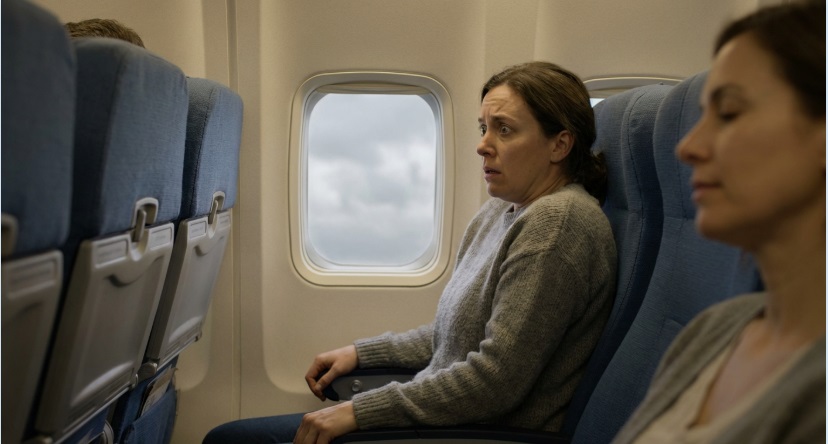
Flying After a Panic Attack — How to Get Back in the Air
A panic attack on an airplane is not just a panic attack — it is an event that rewires your relationship with flying. A guide to understanding what happened and how to fly again.
 2
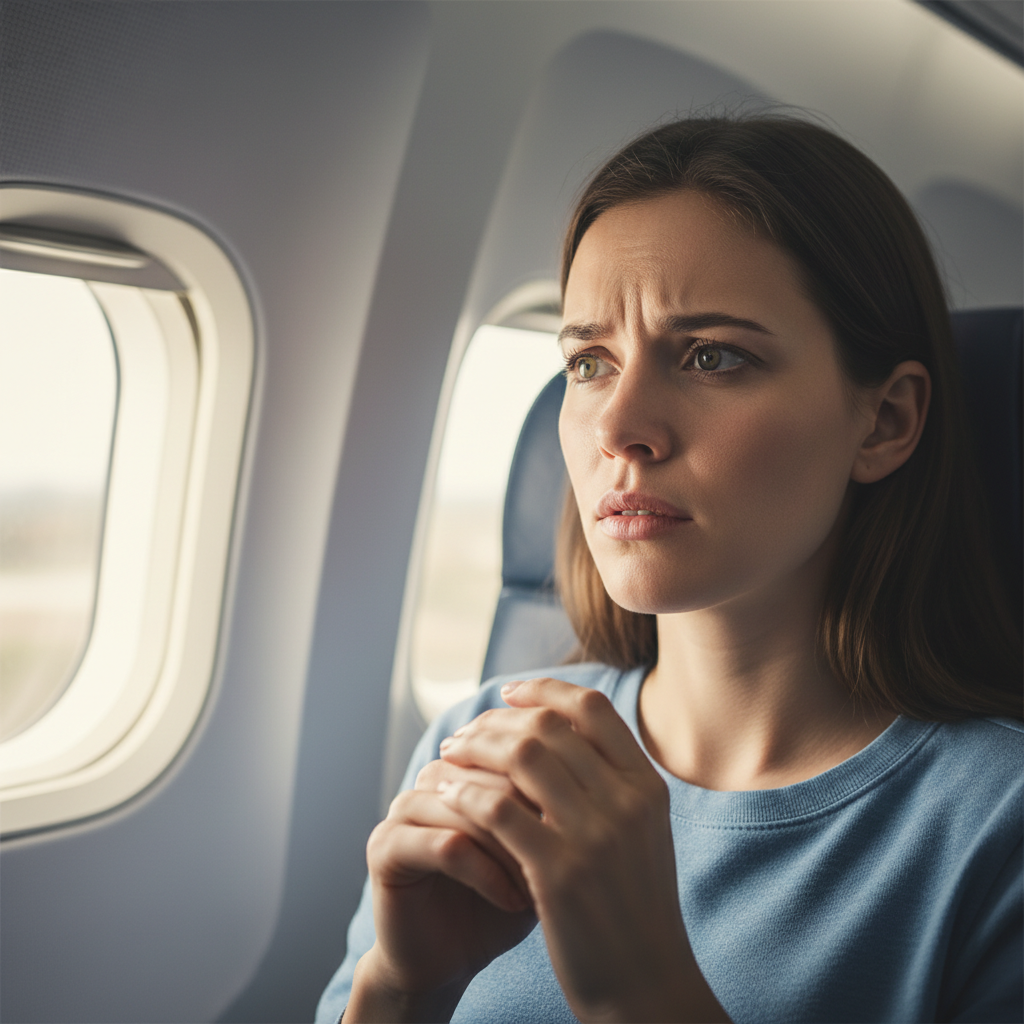
2The Fear of Going Crazy or Losing Your Mind
You worry that the anxiety will become so intense that you will snap. The truth is that fear is an adaptive mechanism trying to protect you.
 3
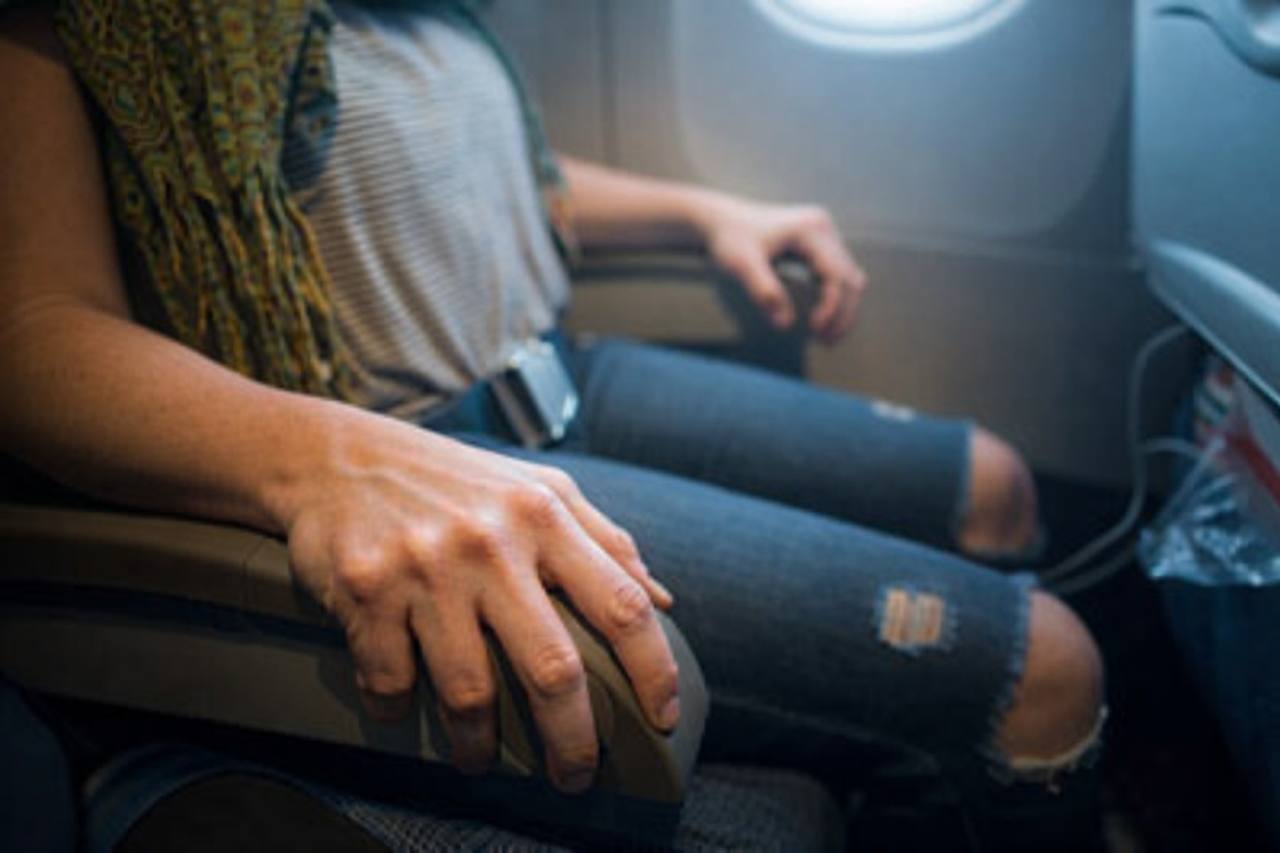
3Gripping the Armrests? Here's What You're Actually Doing
Gripping the armrests feels instinctive, but it's actually making your fear worse. Here's what to do instead.
 4
4The Sawing and Welding Trap
The exhausting contradiction of trying to calm down while simultaneously feeding your fear with catastrophic thoughts during every flight.
 5
5What Modern Therapy Doesn't Try to Do
Modern therapy doesn't try to eliminate fear. Here's what it actually does - and why it works.
 6
6The Path to Freedom: A Multidisciplinary Approach
The complete toolkit for overcoming fear of flying: education, somatic tools, acceptance, and trauma work combined.
 7
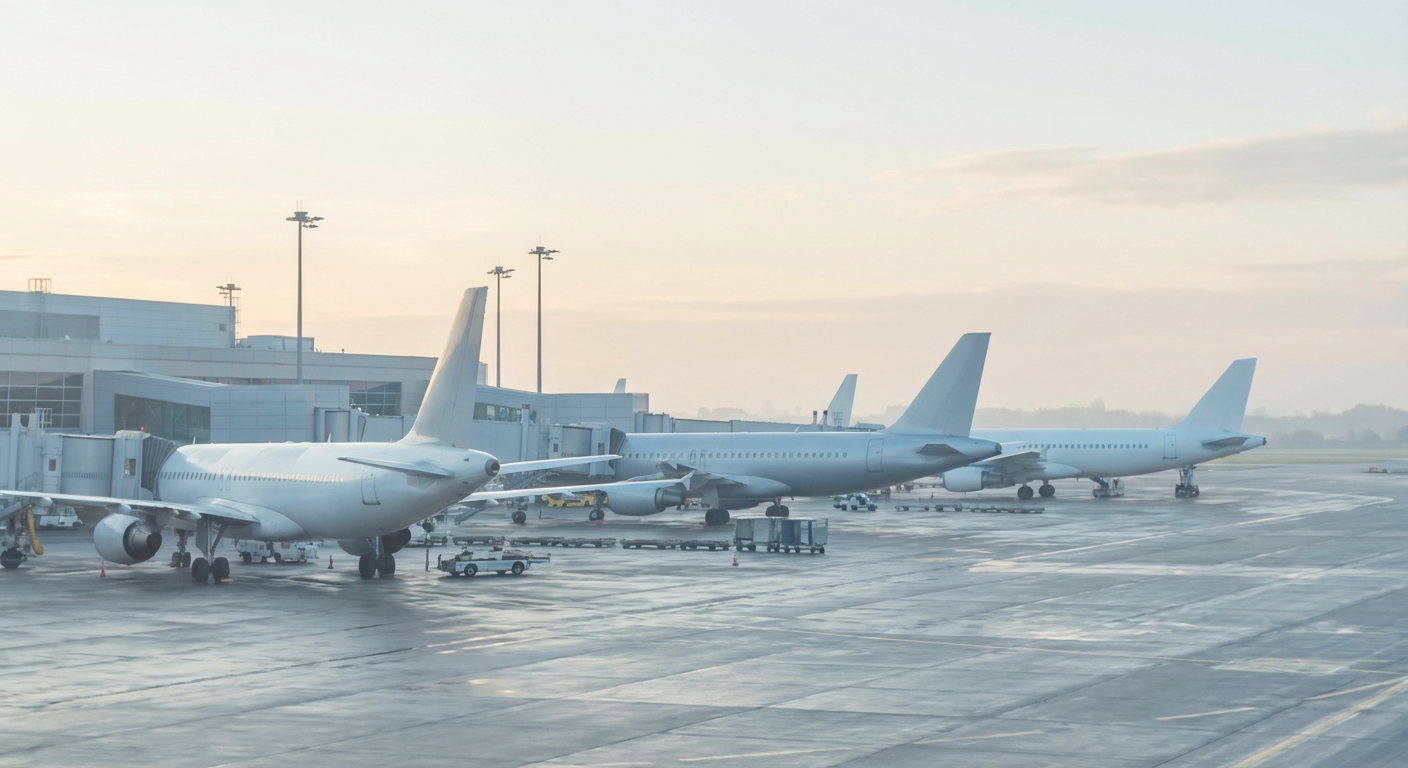
7The 'No Chance to Survive' Thinking Error
Why the need to always be able to save yourself comes from believing in other people's inability to protect you—usually learned in early childhood.
 8
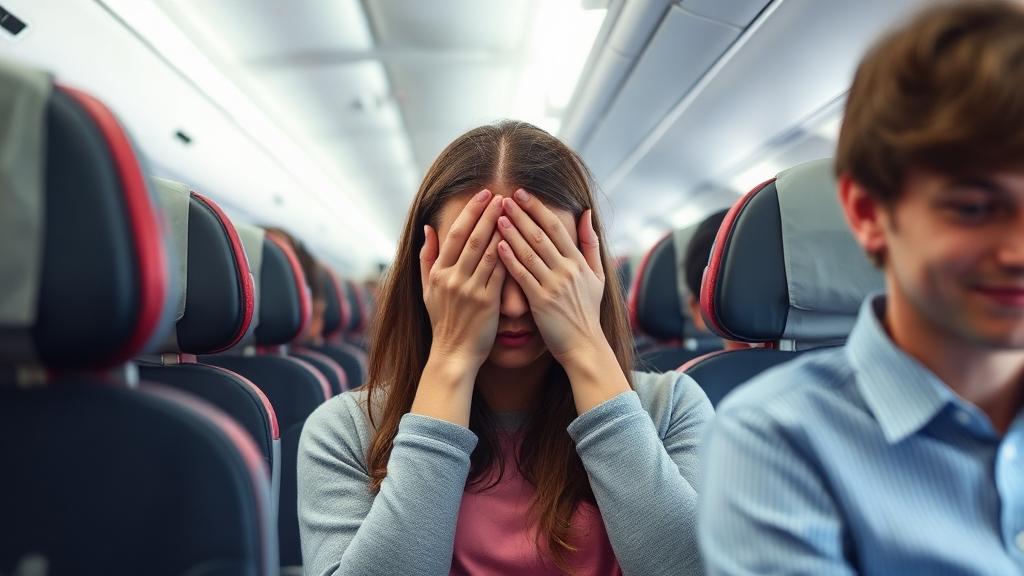
8The Shame of Being Scared Onboard
One of the real reasons for flight anxiety is fear of being judged. This roots back to ancient times when a person not accepted by the community was basically doomed.
 9
9The Body Never Forgets: A Story About Monday at 11am
Every Monday at 11am, she had a panic attack. It made no sense. Until she remembered 1991.
 10
10Personal Boundaries and Anxiety
Understanding how strict internal boundaries and weak external ones contribute to anxiety, phobias, and panic attacks.
About the author
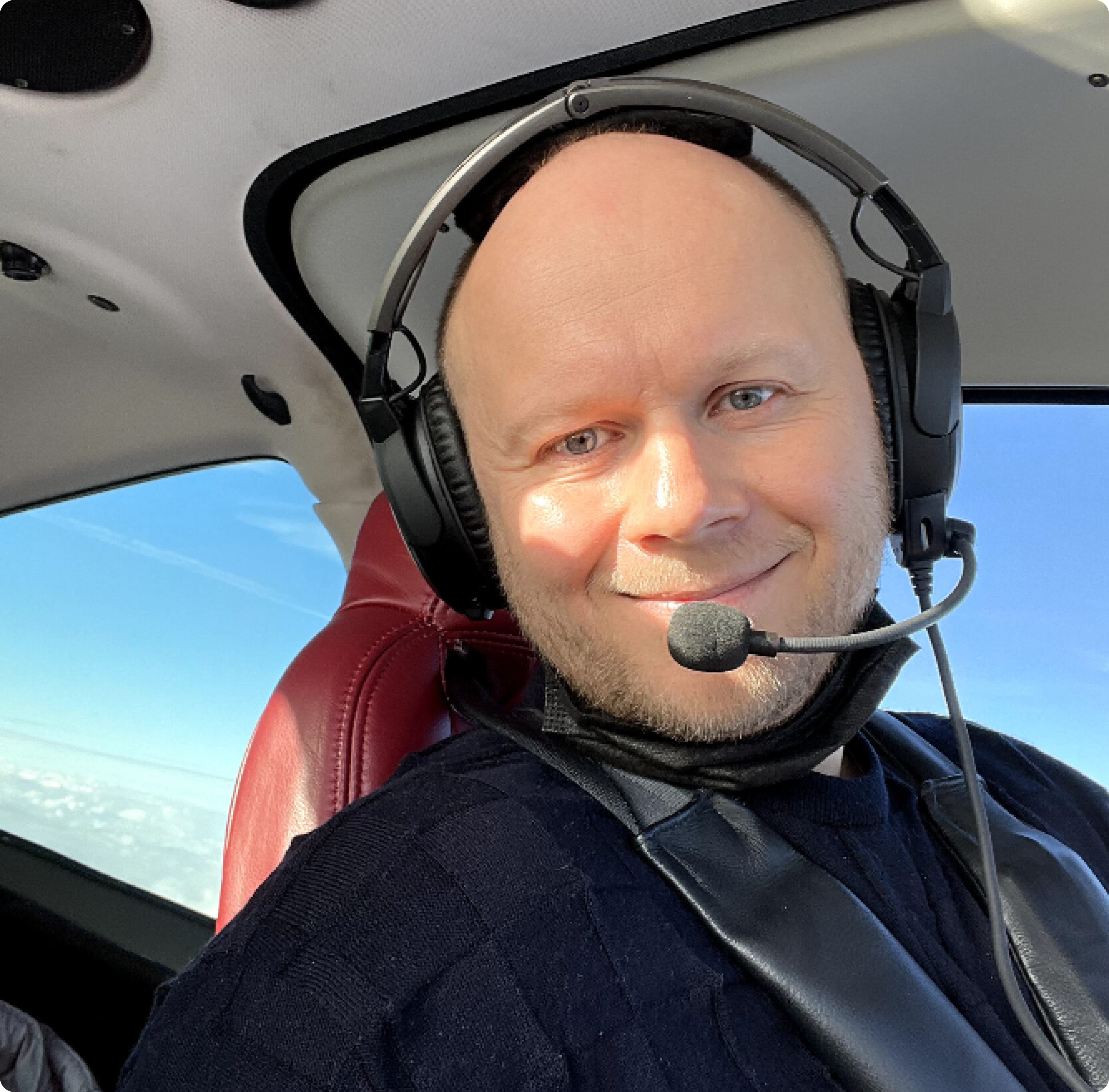
Alex Gervash
Pilot & Fear of Flying Specialist
- Commercial Pilot (31 years aviation experience)
- Trained in psychology and trauma therapy (EMDR, Somatic Experiencing)
- Founder of phobia.aero & SkyGuru App
Alex Gervash brings a unique perspective to treating fear of flying, combining 31 years of commercial aviation experience with deep expertise in psychology and trauma therapy. His approach to aerophobia integrates Somatic Experiencing®, EMDR therapy, and polyvagal theory with comprehensive aviation knowledge. Having personally helped over 16,000 individuals overcome flight anxiety, panic attacks on planes, and turbulence fear, Alex continues to support nervous flyers worldwide through the SkyGuru flight companion app used by 200,000+ users.