Childhood Trauma and Fear of Flying
Reviewed by Capt. Alex Gervash, Commercial Pilot and Fear of Flying Therapist. Last updated October 2026. Editorial standards.
How early experiences shape adult flight anxiety - and the path to healing
Many adults who fear flying trace their anxiety back to childhood experiences that have nothing to do with airplanes. This guide explores the hidden links between early trauma and aerophobia, featuring real case studies and family dynamics.
Key Takeaways
- 1Many adults trace their flight anxiety to childhood experiences unrelated to airplanes.
- 2The nervous system stores early trauma and can reactivate it in enclosed, unfamiliar environments.
- 3Family dynamics and parental anxiety significantly influence a child's relationship with flying.
- 4Trauma-informed approaches like EMDR and Somatic Experiencing address the root cause.
- 5Understanding the link between past experiences and present fear is the first step to healing.
How childhood shapes adult flight fear
This is the one most people miss. Adult fear of flying often has nothing to do with flying.
In our practice we keep meeting the same pattern. A client whose first panic attack on a plane came years after a difficult childhood event with no obvious aviation connection. A chaotic home. A scared parent. A medical scare at age seven. A single trapped-in-the-back-seat car ride that lasted too long. The nervous system filed "confined plus helpless" as a threat template. Decades later the airplane environment matches the template. Sealed cabin. No exit. Strangers in charge. The old alarm fires.
This is consistent with the science. The Adverse Childhood Experiences (ACE) Study, published in 1998 by the U.S. Centers for Disease Control and Kaiser Permanente, mapped a clear dose-response link between early-life stress and adult anxiety disorders. The trauma specialist Bessel van der Kolk puts it well: the body keeps the score. Quietly. For years. Until a specific environment cues the old pattern.
Family dynamics matter too. Anxious parents transmit anxiety without saying a word. A parent who white-knuckled every flight teaches a child, by example, that planes are something to brace against. Birth order, separation history, how the family handled fear in general, all of it leaves marks.
The good news. Trauma-informed therapy, EMDR, Somatic Experiencing, Brainspotting, Polyvagal-informed practice, addresses the root, not the surface. Many clients describe the change after the underlying pattern resolves with the same phrase: "everything is just different now." Not a slow fade. A shift. The articles below explain the link in depth and show how this kind of work actually goes.
Frequently Asked Questions
How can childhood events cause adult fear of flying?
Early experiences, especially ones involving confinement, helplessness, or a caregiver's distress, get stored by the nervous system as templates of "unsafe." The airplane environment, sealed cabin, no exit, surrender of control, can match the template decades later and re-fire the old alarm. Even when no actual airplane was involved in the original event. This is why some adults develop sudden fear of flying after years of comfortable travel: a more recent stressor activates the older pattern.
What is the ACE Study and what does it say about anxiety?
The Adverse Childhood Experiences (ACE) Study, published in 1998 by the U.S. Centers for Disease Control and Kaiser Permanente, mapped a clear dose-response relationship between the number of adverse childhood experiences and later adult health outcomes, including anxiety disorders. Higher ACE scores significantly increase the lifetime likelihood of anxiety, panic, and phobic responses.
Does my fear of flying mean I had childhood trauma?
Not necessarily. Plenty of people develop fear of flying without any childhood trauma history. A bad flight. A specific event. A generally anxious nervous system. If your fear is intense, came on suddenly, does not respond to safety information, or pairs with feelings of helplessness that seem out of proportion to the situation, it is worth exploring whether an older pattern is driving it.
How is trauma-informed therapy different from regular therapy?
Trauma-informed work goes through the body and the nervous system, not just the thinking brain. EMDR uses bilateral stimulation, eye movements or tapping, to reprocess stuck memories. Somatic Experiencing tracks the body's micro-movements to discharge trapped survival energy. Brainspotting uses specific eye positions to access traumatic material the talking mind cannot reach. These approaches address the root of the fear, not its surface.
Can I fly safely while still doing trauma work?
Yes. Most clients keep flying during treatment, often with the help of specific in-flight protocols, paced breathing, grounding, sometimes medication, while the deeper work continues between flights. We do not believe in grounding clients while they work. Flying itself, done with the right support, often becomes part of the healing.
How long does trauma-focused fear-of-flying treatment take?
Less than most people expect. Clients with clear trauma roots often see a meaningful shift in 6 to 12 sessions of EMDR or Somatic Experiencing. Sometimes faster. The exact timeline depends on the depth of the underlying pattern and on how many other stressors the nervous system is carrying. Many clients describe the change in the same phrase: "everything is just different now." Not a slow fade. A shift.
Sources & References
Claims in this guide are drawn from the following primary sources. Where a number, statistic, or safety claim appears above, it is traceable to one of these references.
- Relationship of Childhood Abuse and Household Dysfunction to Many of the Leading Causes of Death in Adults (The Adverse Childhood Experiences Study). Felitti V.J. et al., American Journal of Preventive Medicine; CDC and Kaiser Permanente,
- The Body Keeps the Score: Brain, Mind, and Body in the Healing of Trauma. Bessel van der Kolk, M.D., Viking Press,
Articles in This Guide
 1📖 Long Read
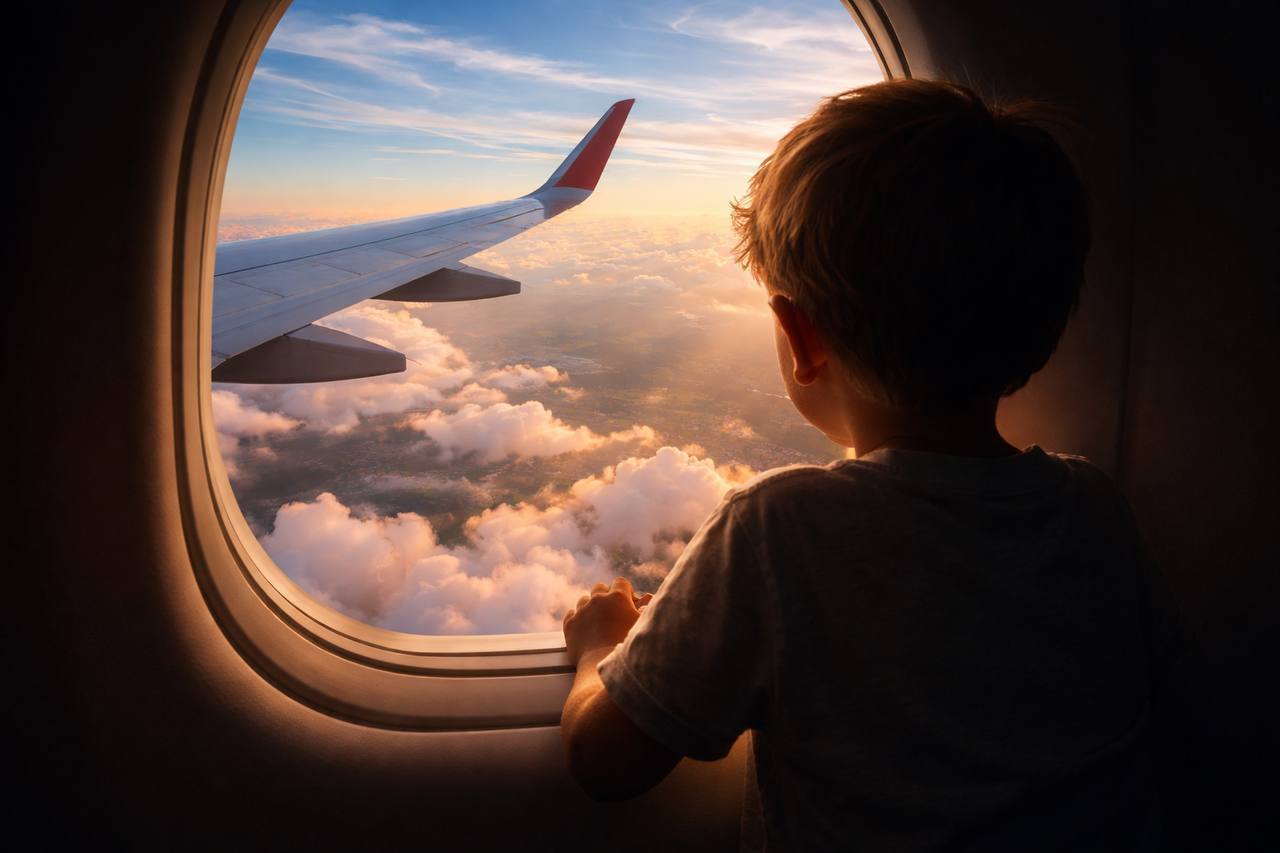
How Children Develop Fear of Flying — And What Parents Can Do About It
Fear of flying is not genetic — but it is inherited. Not through DNA, but through behavior and the nervous system of the adults who raised you. A guide for parents on how fear takes root and what actually works.
 2
2The Water Ride That Became a Flight Phobia
She panics specifically when flying over water. The reason traces back to a traumatic boat ride.
 3
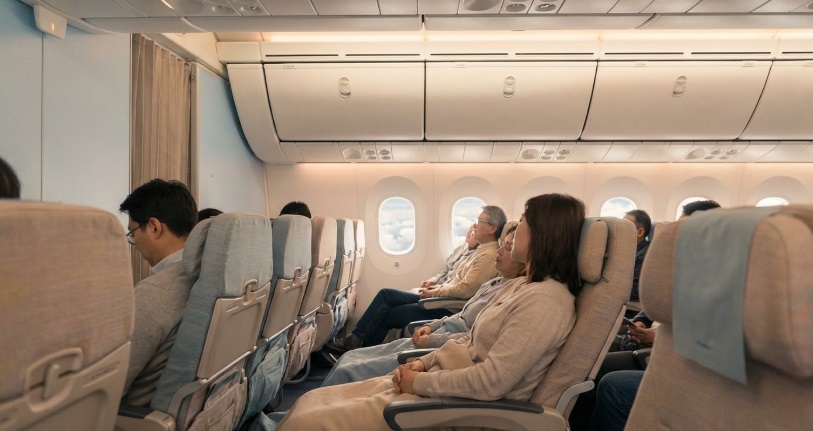
3The Crowded Bus That Changed Everything
A woman came to therapy terrified of small airplanes. The real source of her fear had nothing to do with aviation.
 4
4The Coma, 9/11, and the Airplane Connection
He woke from a coma to see 9/11 on TV. That moment created a fear of flying that had nothing to do with planes.
 5
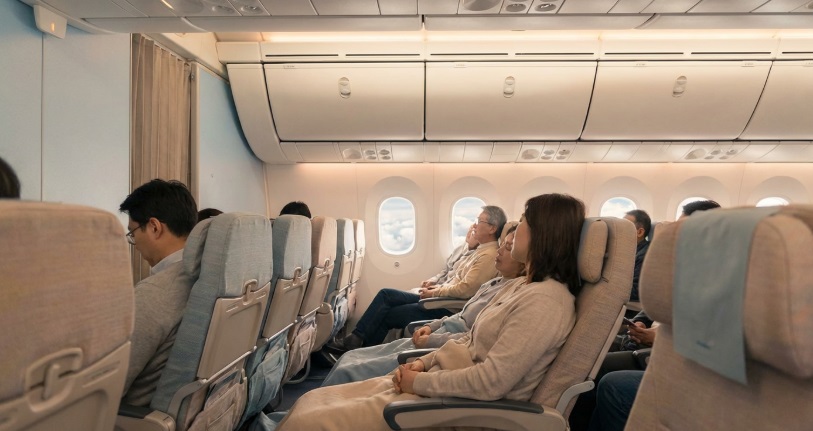
5The Bus That Looked Like an Airplane
His fear of flying began on a bus when he was 5 years old - trapped, alone, searching for his mom.
 6
6The Night Flight She'll Never Take Again
She only panics on night flights. The reason has nothing to do with aviation - and everything to do with childhood trauma.
 7
7The Bicycle Ad That Triggered a Panic Attack
A bicycle ad triggered his panic attack at the airport. How a childhood memory became a flight phobia.
 8
8When Your Friend's Fear Became Your Danger
When her travel companions backed out, she panicked. The reason traced back to a traumatic attack years earlier.
 9
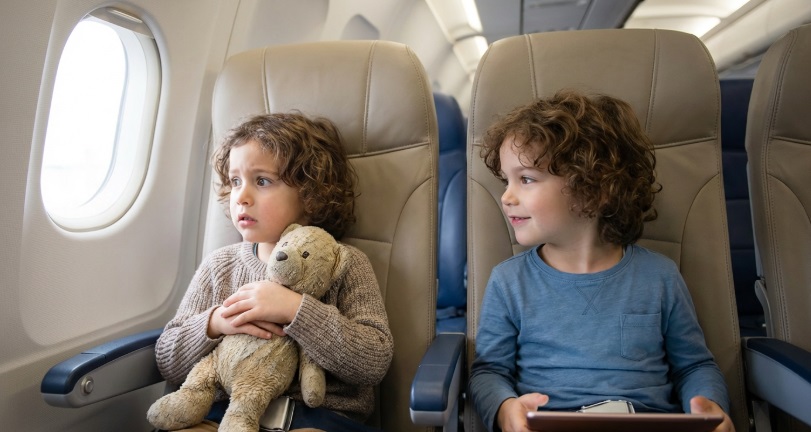
9The Twins Who Teach Us Everything About Fear
Identical twins - one fears flying, the other doesn't. The difference? One week in infancy changed everything.
 10
10The Horizontal Bar: How One Moment Changed a Life
She was three years old, hanging from a horizontal bar. That moment became the hidden source of her flight phobia.
 11
11The Father Who Threw His Son on the Horizontal Bar
His father's cruel game created lessons about fear and trust that shaped his adult flight phobia.
 12
12The Right Way to Talk to Kids About Fear
Should you hide your fear from your children? No. Here's why - and what to say instead.
 13
13Is Aerophobia Associated with Childhood Trauma?
Exploring the connection between early life experiences and fear of flying through the lens of modern neuroscience.
 14
14Why Fear of Flying Often Starts After Having a Baby
The average age of onset of flying phobia is around 25 years—the same age when many have children.
 15
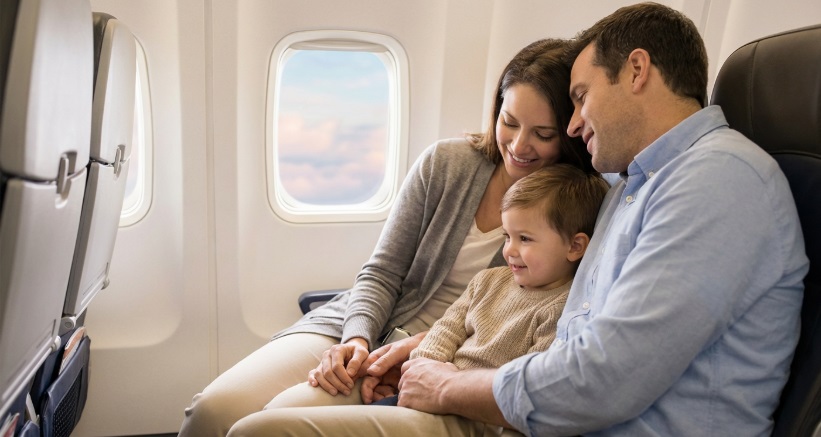
15Why Flying With Family is Sometimes Easier, Sometimes Harder
Some cannot tolerate loneliness on the plane, others become calmer only if no relatives are nearby. The reason depends on the nature of childhood trauma.
 16
16Why Some People Focus on Survival Rates
Why do so many people believe survival is impossible in a plane crash? The answer lies in childhood experiences.
About the author
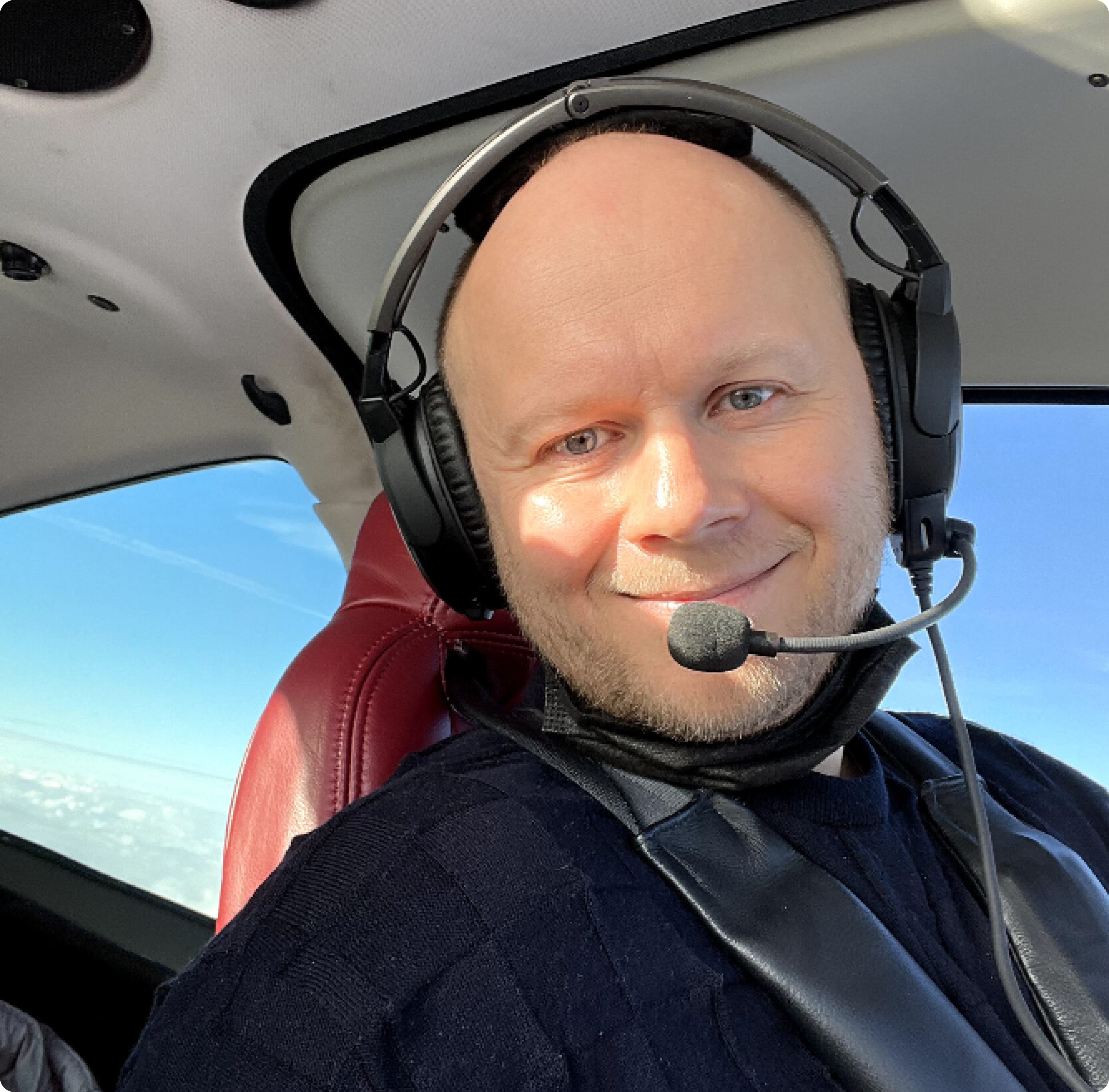
Alex Gervash
Pilot & Fear of Flying Specialist
- Commercial Pilot (31 years aviation experience)
- Trained in psychology and trauma therapy (EMDR, Somatic Experiencing)
- Founder of phobia.aero & SkyGuru App
Alex Gervash brings a unique perspective to treating fear of flying, combining 31 years of commercial aviation experience with deep expertise in psychology and trauma therapy. His approach to aerophobia integrates Somatic Experiencing®, EMDR therapy, and polyvagal theory with comprehensive aviation knowledge. Having personally helped over 16,000 individuals overcome flight anxiety, panic attacks on planes, and turbulence fear, Alex continues to support nervous flyers worldwide through the SkyGuru flight companion app used by 200,000+ users.